
In a world where digital transactions dominate, physical credit cards still play a crucial role in everyday life. From loyalty programs to emergency backups, most people carry multiple cards. But without proper organization, wallets quickly become overstuffed, disorganized, and inefficient. The accordion wallet—designed with multiple internal slots and expandable sides—offers a smart solution. However, its potential is only realized when used intentionally. This guide explores how to master credit card organization by leveraging the unique structure of an accordion wallet for maximum efficiency, accessibility, and long-term usability.
Understanding the Accordion Wallet Design
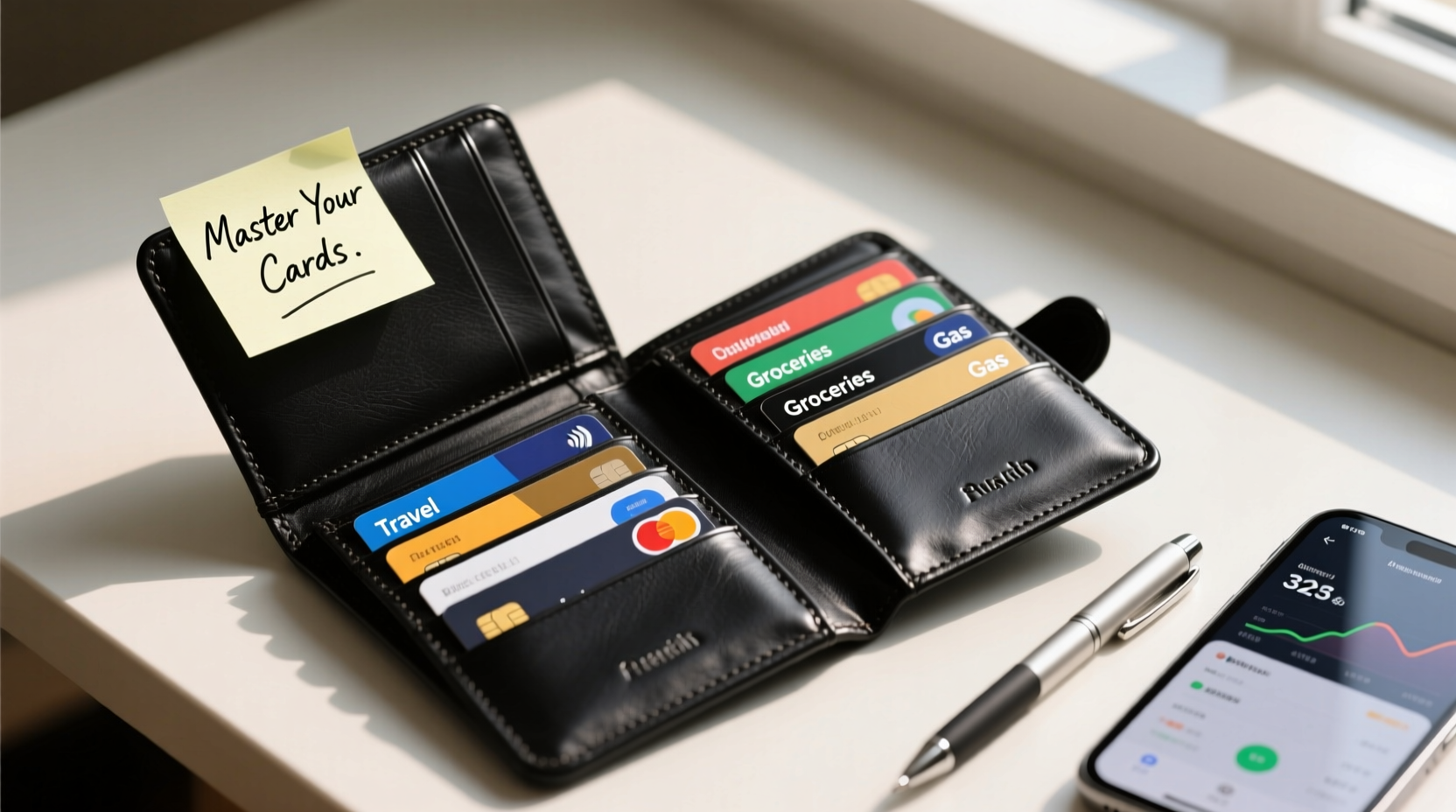
The accordion wallet differs from traditional bi-fold or tri-fold models by featuring a fan-like layout of card pockets, typically arranged on both sides of a central compartment. These pockets allow users to fanned-out access similar to file dividers, making it easier to locate specific cards without removing them all. Most models accommodate 6 to 12 cards comfortably, with additional space for cash, receipts, or IDs.
Its strength lies in categorization: each panel can be dedicated to a distinct financial purpose—daily spending, rewards, business expenses, or infrequently used backup cards. When organized well, this design reduces friction during transactions and prevents wear caused by constant shuffling.
Step-by-Step Guide to Optimizing Your Card Layout
Efficient use of an accordion wallet begins with thoughtful planning. Follow this five-step process to reorganize your cards effectively:
- Audit your current cards. Remove everything from your wallet and lay out all cards. Identify which ones you use regularly, occasionally, or rarely.
- Categorize by function. Group cards into types: primary debit/credit, secondary spending, travel/rewards, business, and emergency backups.
- Select priority slots. Assign the front-facing or easiest-to-reach pockets to your most frequently used cards (e.g., daily debit card and work ID).
- Distribute less-used cards to secondary panels. Place airline miles, backup credit lines, or seasonal discount cards in outer sections that unfold only when needed.
- Label if necessary. For users managing many accounts, small tactile markers (like a tiny notch on one corner) can help identify cards by touch.
This method ensures that no transaction requires digging through unrelated cards, minimizing embarrassment at checkout counters and reducing stress during urgent purchases.
Best Practices for Long-Term Maintenance
An accordion wallet’s durability depends on how it’s loaded and maintained. Overstuffing is the leading cause of broken stitching and warped leather. To preserve both functionality and form:
- Limits cards to 70–80% capacity to maintain easy flipping between sections.
- Avoid stacking more than two cards per slot; thicker stacks strain seams and make retrieval difficult.
- Clean interior pockets monthly with a dry microfiber cloth to prevent dust buildup and static cling.
- Rotate seasonal cards (e.g., holiday shopping rewards) instead of keeping them permanently stored.
“Wallet organization isn’t just about neatness—it directly impacts financial decision-making. A clear system supports intentional spending.” — Daniel Reeves, Behavioral Finance Consultant
Do’s and Don’ts: Quick Reference Table
| Do | Don’t |
|---|---|
| Use each accordion panel for a defined category (e.g., personal, business, travel) | Mix high-use and rarely used cards in the same section |
| Keep your ID and primary payment method in the most accessible pocket | Store expired cards “just in case” |
| Review and reorganize quarterly to reflect changing usage patterns | Carry ATM receipts or old boarding passes inside card slots |
| Choose slim-profile cards to reduce bulk | Overload one side while leaving the other empty, causing imbalance |
Real-Life Example: Streamlining a Cluttered Wallet
Consider Mark, a freelance designer who carried nine cards: two personal credit cards, a business card, a rewards card for travel, a grocery store loyalty card, a gym membership, an old student ID, and two backup credit lines. His previous bi-fold wallet was so full he had to remove three cards just to access his preferred one.
After switching to an accordion model, he restructured his layout: the left panel held his business card and client expense card; the center featured his driver’s license and main credit card; the right panel housed travel rewards and grocery perks. Backup cards were placed behind the ID divider—visible but not in the way. Within a week, Mark reported faster checkouts, reduced anxiety about misplacing cards, and even began using his rewards more consistently because they were finally visible and accessible.
Checklist: Optimize Your Accordion Wallet in One Sitting
Set aside 15 minutes to implement these actions immediately:
- ☐ Empty all contents from your wallet
- ☐ Discard expired cards, duplicates, and unnecessary receipts
- ☐ Sort remaining cards into functional groups
- ☐ Assign each group to a panel (left, center, right)
- ☐ Place top-three most-used cards in front-facing slots
- ☐ Wipe down interior compartments before reinserting cards
- ☐ Test access speed for each card category
- ☐ Store unused cards securely at home (not in wallet)
Frequently Asked Questions
How many cards should I keep in my accordion wallet?
Most experts recommend carrying only 4–6 essential cards daily. This includes your primary payment method, ID, one backup, and one rewards or niche-use card. Additional cards should be stored securely at home and rotated seasonally if needed.
Can I use an accordion wallet with contactless payments?
Yes, but be mindful of signal interference. Carrying multiple NFC-enabled cards in adjacent slots may block tap-to-pay functions. Keep your primary contactless card in the outermost slot or use RFID-blocking sleeves selectively.
What’s the best way to clean an accordion wallet?
For fabric or synthetic interiors, use a dry microfiber cloth. For leather exteriors, apply a small amount of pH-balanced leather cleaner with a soft cloth, then condition monthly. Never submerge the wallet or use alcohol-based wipes, which can degrade adhesives and finishes.
Conclusion: Turn Structure Into Habit
An accordion wallet is more than a storage tool—it’s a framework for better financial habits. By assigning purpose to each pocket and maintaining disciplined curation, you transform a simple accessory into a system that supports clarity, control, and confidence in daily transactions. Organization isn’t a one-time fix; it thrives through consistent review and refinement. Start today by auditing your cards, applying the layout strategies outlined here, and experiencing the difference intentional design makes.




 浙公网安备
33010002000092号
浙公网安备
33010002000092号 浙B2-20120091-4
Comments
No comments yet. Why don't you start the discussion?