
In the competitive world of retail footwear, technical knowledge alone won’t guarantee success. The most effective shoe saleswomen don’t just sell shoes—they build relationships. They understand that every interaction is an opportunity to connect, guide, and earn trust. Whether you're new to the floor or looking to refine your approach, mastering customer connection is the foundation of long-term success in shoe retail.
A successful shoe saleswoman combines empathy with expertise, turning casual browsers into loyal clients. This article breaks down the core competencies that elevate shoe sales from transactional exchanges to meaningful experiences.
1. Build Rapport Through Active Listening
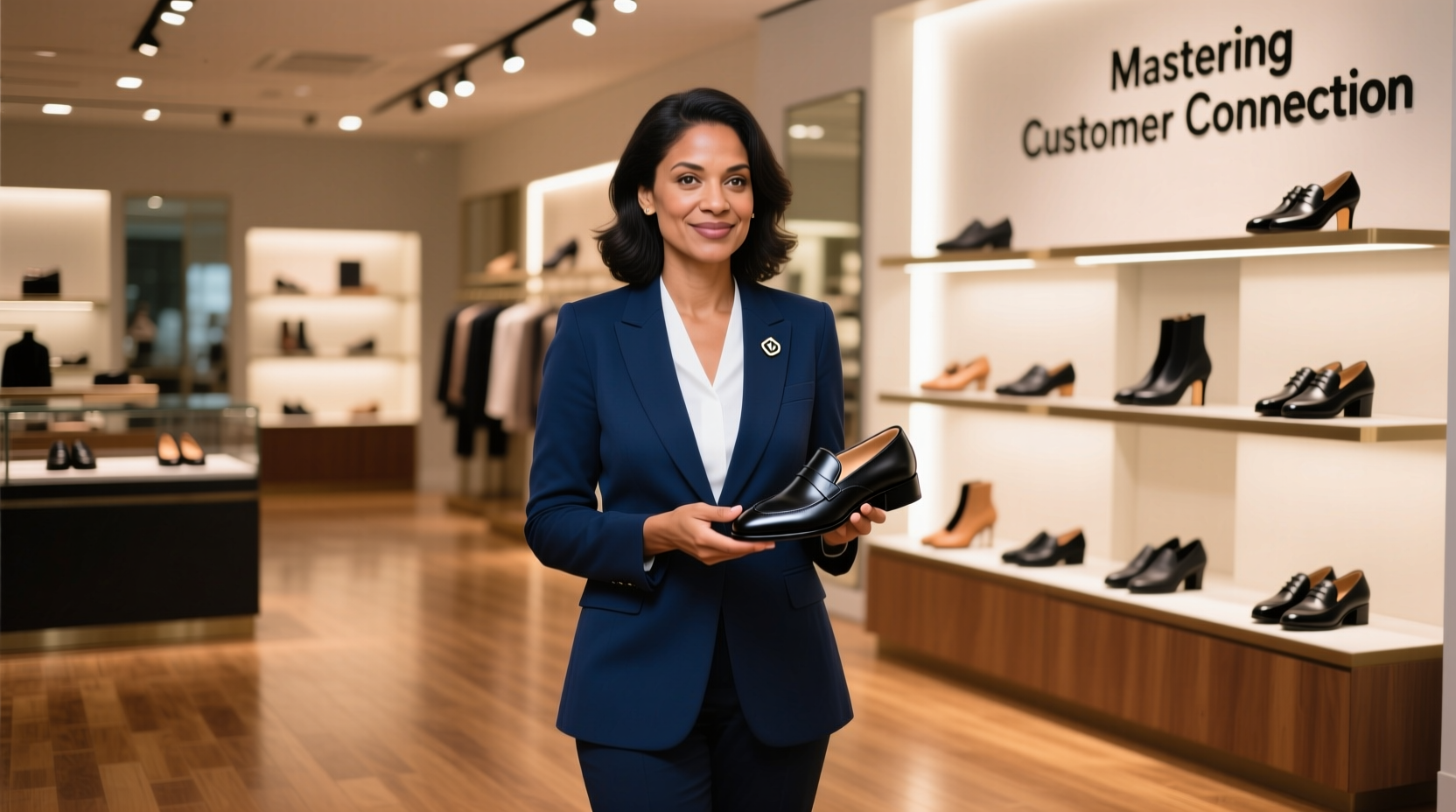
The first step in connecting with customers isn’t talking—it’s listening. Many sales professionals rush to recommend products before understanding what the customer truly needs. A skilled shoe saleswoman listens intently to verbal cues and observes nonverbal signals like body language and tone of voice.
Ask open-ended questions such as:
- “What kind of activities will you be wearing these shoes for?”
- “Have you had issues with fit or comfort in the past?”
- “How do you usually decide which pair feels right?”
These questions invite conversation rather than interrogation. When customers feel heard, they’re more likely to engage, trust your suggestions, and return for future purchases.
2. Master Product Knowledge with Purpose
Knowing your inventory inside and out is crucial, but it's equally important to translate that knowledge into value for the customer. Instead of reciting specs, explain how features solve real-life problems.
For example, instead of saying, “This shoe has EVA midsole cushioning,” try, “You’ll find this sole absorbs impact well, so your feet stay comfortable even during long days on concrete.”
Break down complex terms into relatable benefits:
| Technical Feature | Customer-Friendly Translation |
|---|---|
| Orthotic-friendly insoles | Designed to accommodate custom inserts if you use orthotics |
| TPU heel counter | Sturdy back support that keeps your heel stable when walking |
| Breathable mesh upper | Keeps your feet cooler, especially in warm weather or humid climates |
| Non-marking rubber outsole | Won’t leave scuff marks on gym floors or indoor surfaces |
“We don’t just sell shoes—we sell solutions to discomfort, insecurity, and inconvenience.” — Lena Torres, Regional Footwear Trainer at Apex Retail Group
3. Customize the Fitting Experience
No two feet are alike, and no two customers have identical expectations. Personalization goes beyond measuring foot length. It includes assessing arch type, gait tendencies, swelling patterns, and lifestyle demands.
Follow this step-by-step process to deliver a premium fitting experience:
- Observe: Notice how the customer stands and walks upon entering.
- Inquire: Ask about previous shoe issues (e.g., blisters, heel slippage).
- Measure: Use a Brannock device to check length, width, and arch length—even if the customer insists they know their size.
- Fit: Bring multiple sizes and widths, starting with the closest match.
- Test: Encourage walking around the store, up and down inclines if available.
- Adjust: Offer insoles, lacing techniques, or alternate styles based on feedback.
Remember: Fit isn't just about numbers. A customer might wear a size 8 in one brand and a 9 in another. Flexibility and awareness prevent misfits and returns.
4. Handle Objections with Confidence and Empathy
Price concerns, skepticism about durability, or hesitation over style choices are common. Rather than pushing harder, reframe objections as requests for reassurance.
Use empathetic language:
- “I completely understand—it’s an investment. Let me show you why this pair lasts twice as long as others.”
- “It’s normal to feel unsure about the color. Would you like to see how it looks with different outfits we carry?”
Mini Case Study: Turning Hesitation into Loyalty
Sophia, a sales associate at a high-end sneaker boutique, assisted a customer who was reluctant to spend $180 on running shoes. He said, “They look nice, but I’ve never paid this much for sneakers.”
Rather than defending the price, Sophia asked, “Do you replace your running shoes every three months because they wear out?” When he nodded, she replied, “That’s exactly why this model could save you money. Its durable outsole typically lasts six to eight months with regular use. Plus, the energy return helps reduce fatigue.”
She let him test-walk on a treadmill in-store and compared tread wear patterns between his current shoes and the new pair. He purchased two pairs—one for rotation—and returned three weeks later referring a friend.
5. Develop Emotional Intelligence on the Sales Floor
Emotional intelligence (EQ) separates good salespeople from great ones. It involves self-awareness, self-regulation, motivation, empathy, and social skills—all critical when dealing with diverse personalities under time pressure.
Consider these scenarios:
- A customer appears rushed and frustrated: Prioritize efficiency without sacrificing warmth.
- A teenager feels insecure about their foot shape: Reassure gently and avoid drawing attention to perceived flaws.
- A gift shopper is overwhelmed: Simplify options using curated picks (“Based on what you’ve told me, I’d narrow it to these two”).
High-EQ saleswomen adapt their tone and pace to match the customer’s emotional state, creating a sense of ease and safety.
Checklist: Daily Habits of Top Shoe Saleswomen
- Review new arrivals and promotions each morning
- Greet every customer within 10 seconds of entry
- Practice active listening in every interaction
- Follow up with thank-you notes or texts for special orders
- Debrief challenging interactions to improve response strategies
- Maintain organized, clean display areas to enhance customer confidence
- Track repeat customers’ preferences in a personal log (if permitted)
FAQ: Common Questions from Aspiring Shoe Sales Professionals
How do I handle a customer who says, “I’m just looking”?
Respond warmly: “Of course! I’ll be right here if you have any questions or want to try something on. Just let me know your size and I can pull a few options that match what you’re browsing.” This gives space while keeping the door open.
Is upselling appropriate in shoe retail?
Yes—but only when it adds value. Suggest complementary items like moisture-wicking socks, odor-control sprays, or extended warranties if they align with the customer’s needs. Avoid pushing unnecessary add-ons.
What if a customer tries on several pairs and leaves without buying?
Thank them sincerely: “I appreciate you taking the time to come in today. If you’d like, I can email those styles to you or hold your top picks for 24 hours.” This maintains goodwill and opens the door for future contact.
Conclusion: Elevate Your Role Beyond the Sale
Becoming a successful shoe saleswoman isn’t about hitting quotas—it’s about becoming someone customers remember, trust, and seek out. Mastery comes not from memorizing models or margins, but from consistently making people feel seen, supported, and confident in their choices.
Every pair of shoes tells a story. Help your customers find the ones that fit not just their feet, but their lives. With intentional listening, informed guidance, and emotional authenticity, you’ll build a reputation that transcends sales figures.




 浙公网安备
33010002000092号
浙公网安备
33010002000092号 浙B2-20120091-4
Comments
No comments yet. Why don't you start the discussion?