
Diorama crafting is a meticulous blend of storytelling and precision, where every detail contributes to a moment frozen in time. Among the most expressive elements in a diorama are the figures—especially those captured in natural sitting postures. Whether depicting a soldier resting by a campfire, a child reading in a library nook, or an elder conversing on a park bench, seated figurines add narrative depth and emotional realism. Achieving convincing sitting poses, however, demands more than gluing a figure to a chair. It requires anatomical understanding, structural support, and attention to weight distribution. This guide walks through the essential techniques and materials needed to craft lifelike sitting posture puppet figurines that elevate your dioramas from static displays to dynamic scenes.
Selecting the Right Base Materials
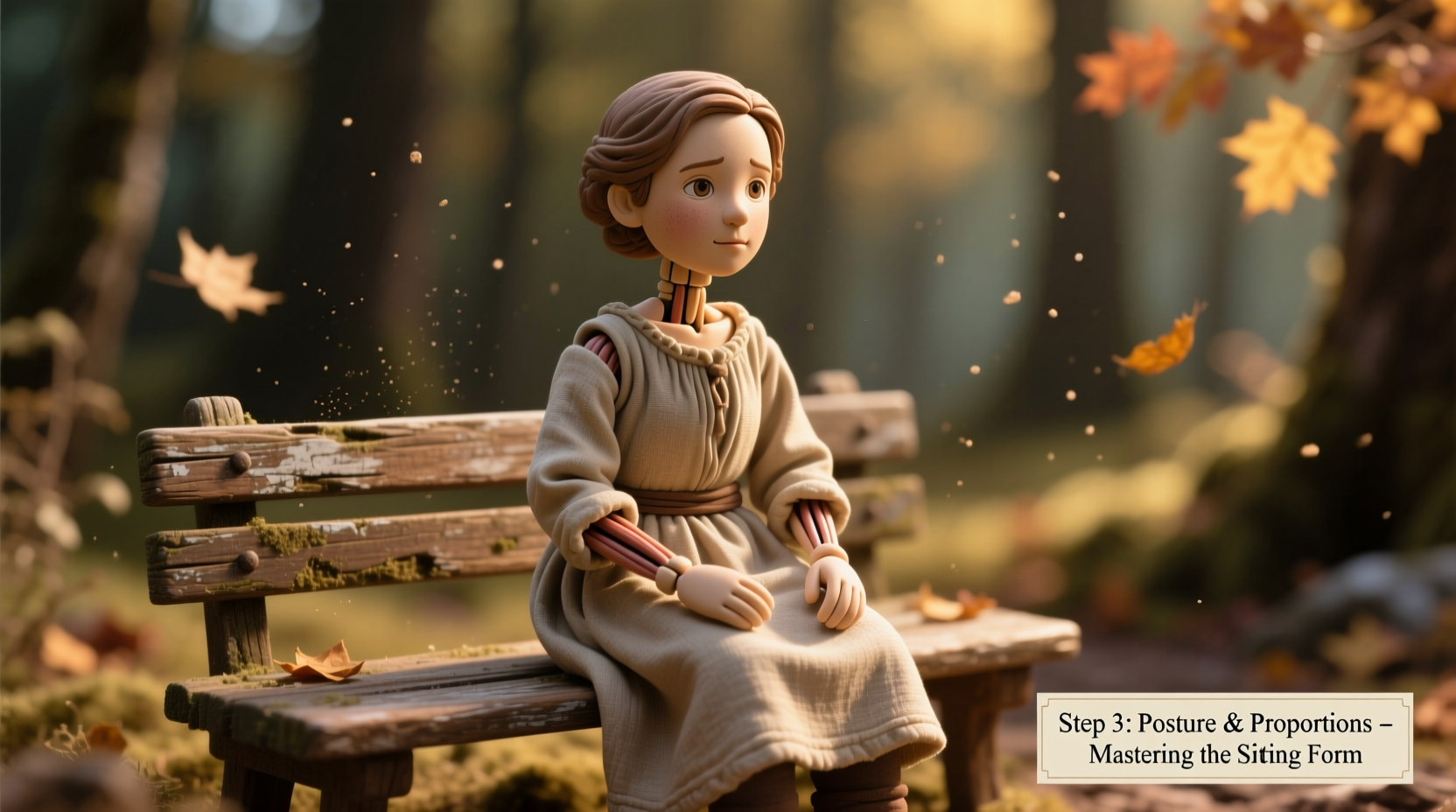
The foundation of any successful figurine begins with material choice. For sitting puppets, durability and workability are key. Common materials include polymer clay, wire armatures, resin castings, and pre-made model kits. Each has distinct advantages:
- Polymer clay (e.g., Fimo, Sculpey): Ideal for custom sculpting; can be baked for permanence and holds fine detail well.
- Aluminum or brass wire (16–20 gauge): Used for internal armatures to support seated poses and prevent sagging over time.
- Resin or plastic kits: Offer consistency and save time but may require modification for unique sitting positions.
- Foam and fabric scraps: Useful for padding clothing and enhancing realism in seated comfort.
Understanding Human Anatomy in Miniature Scale
To create a believable sitting figure, one must respect the laws of human biomechanics—even at 1:12 or 1:35 scale. The pelvis tilts forward when seated, the spine curves naturally, and weight shifts onto the sit bones (ischial tuberosities). Ignoring these details results in stiff, floating, or unbalanced figures.
Key anatomical considerations:
- The knees should be slightly higher than the hips in relaxed sitting.
- Arms resting on surfaces create subtle pressure points visible in clothing folds.
- Head tilt and shoulder alignment convey mood—slumped shoulders suggest fatigue; upright posture implies alertness.
“Even at one inch tall, a figure’s posture tells a story. Observe real people in cafes or parks—how they shift, lean, and settle. That’s the truth we replicate.” — Lena Torres, Miniature Sculptor & Diorama Artist
Step-by-Step Guide to Crafting a Seated Puppet Figurine
Follow this structured process to build a stable, expressive seated figure from scratch:
- Create the Armature: Bend a double-looped wire base to form legs and spine. Extend upper limbs with thinner wire. Ensure joints allow slight articulation for posing.
- Sculpt the Torso and Pelvis: Using polymer clay, shape the lower body around the wire, emphasizing the sit bones. The pelvis should angle forward slightly.
- Add Limbs and Head: Build up arms and legs proportionally. Use reference images to maintain correct limb lengths. Attach the head last, ensuring natural neck curvature.
- Refine the Pose: Position the figure on a mock seat (a block of wood or foam). Adjust until weight appears distributed realistically—no leaning into invisible supports.
- Bake and Cool: Cure the clay according to manufacturer instructions. Let cool completely before handling.
- Paint and Detail: Use acrylics in thin layers. Begin with skin tones, then add clothing textures. Dry-brush highlights to emphasize folds caused by sitting.
- Dress and Finalize: Apply fabric garments carefully, securing them with white glue or micro-tacky adhesive. Add accessories like books or mugs to reinforce the seated narrative.
Structural Support and Stability Solutions
A seated figurine must remain upright without external props. Many beginners rely on hidden rods or bases, which break immersion. Instead, focus on internal balance.
| Issue | Solution | Material Needed |
|---|---|---|
| Figure leans backward | Increase pelvic tilt forward during sculpting | Wire armature, modeling tool |
| Legs don’t reach ground | Adjust leg length pre-baking; use adjustable seat height | Measuring calipers, foam base |
| Arms float mid-air | Attach arms to lap or armrest using glue after baking | Micro adhesive, pin vise |
| Figure tips sideways | Add weight to base or widen stance subtly | Lead foil, epoxy putty |
For permanent mounting, consider embedding a small magnet in the seat and another in the figure’s base. This allows repositioning while maintaining stability during transport or display.
Mini Case Study: The Café Patron Diorama
Javier Mendez, a hobbyist from Barcelona, aimed to recreate a quiet Parisian café scene. His centerpiece was a seated woman reading a newspaper. Initial attempts failed—the figure looked rigid, as if hovering above the chair.
He revised his approach: first, he studied photographs of people reading in cafés. He noticed how one leg often crossed loosely, and the elbow rested heavily on the table. He rebuilt the armature with articulated elbows and knees, adjusted the pelvis angle, and added subtle asymmetry to the shoulders. After rebaking and repainting, the figure appeared genuinely immersed in her book, with the newspaper casting a soft shadow across her lap.
The final diorama won second place in a regional miniature art exhibition. “It wasn’t the paint or clothes,” Javier said. “It was the way she sat—like she’d been there for hours.”
Essential Checklist for Realistic Sitting Figures
Before declaring a seated figurine complete, review this checklist:
- ✅ Is the pelvis tilted forward naturally?
- ✅ Do the feet rest flat or in a relaxed position?
- ✅ Are the arms supported or engaged with an object (book, cup, cane)?
- ✅ Does clothing show compression at contact points (thighs, back, underarms)?
- ✅ Is the head aligned with a believable gaze direction?
- ✅ Can the figure stand independently without wobbling?
- ✅ Have you added subtle imperfections (asymmetry, slight slouch) for realism?
Frequently Asked Questions
How do I prevent polymer clay from cracking around joints?
Use a flexible armature and avoid applying thick layers of clay over sharp wire bends. Condition the clay thoroughly before sculpting, and consider mixing in a small amount of liquid clay for flexibility in high-stress areas like elbows and knees.
Can I use pre-made model figures for seated poses?
Yes, but many off-the-shelf figures are designed for standing. Modify them by cutting and repositioning limbs with green stuff or epoxy putty. Reattach using pinned joints for strength.
What scale works best for detailed seated figures?
Scales between 1:12 (dollhouse) and 1:35 (military dioramas) offer the best balance of detail and manageability. Below 1:72, fine details become extremely challenging without specialized tools.
Conclusion: Bring Your Scenes to Life
Crafting realistic sitting posture puppet figurines is not merely a technical exercise—it’s an act of empathy. It asks you to imagine the life behind the pose: the weight of a long day, the comfort of a favorite chair, the quiet focus of a personal moment. When executed with care, these miniature figures transform dioramas into intimate windows into other worlds. Mastery comes not from perfection, but from observation, iteration, and patience. Start small, study real-life references, and let each seated figure tell its own silent story.




 浙公网安备
33010002000092号
浙公网安备
33010002000092号 浙B2-20120091-4
Comments
No comments yet. Why don't you start the discussion?