
Grooming your dog at home doesn’t have to be intimidating. With the right tools, technique, and patience, you can achieve salon-quality results using just a pair of grooming scissors. Scissor work offers unmatched precision—especially around sensitive areas like the face, paws, and tail—making it essential for maintaining both hygiene and appearance. Whether you're trimming a shaggy terrier or tidying up a Poodle’s coat, mastering scissor grooming empowers you to care for your pet safely, affordably, and effectively.
Why Scissors Matter in Dog Grooming
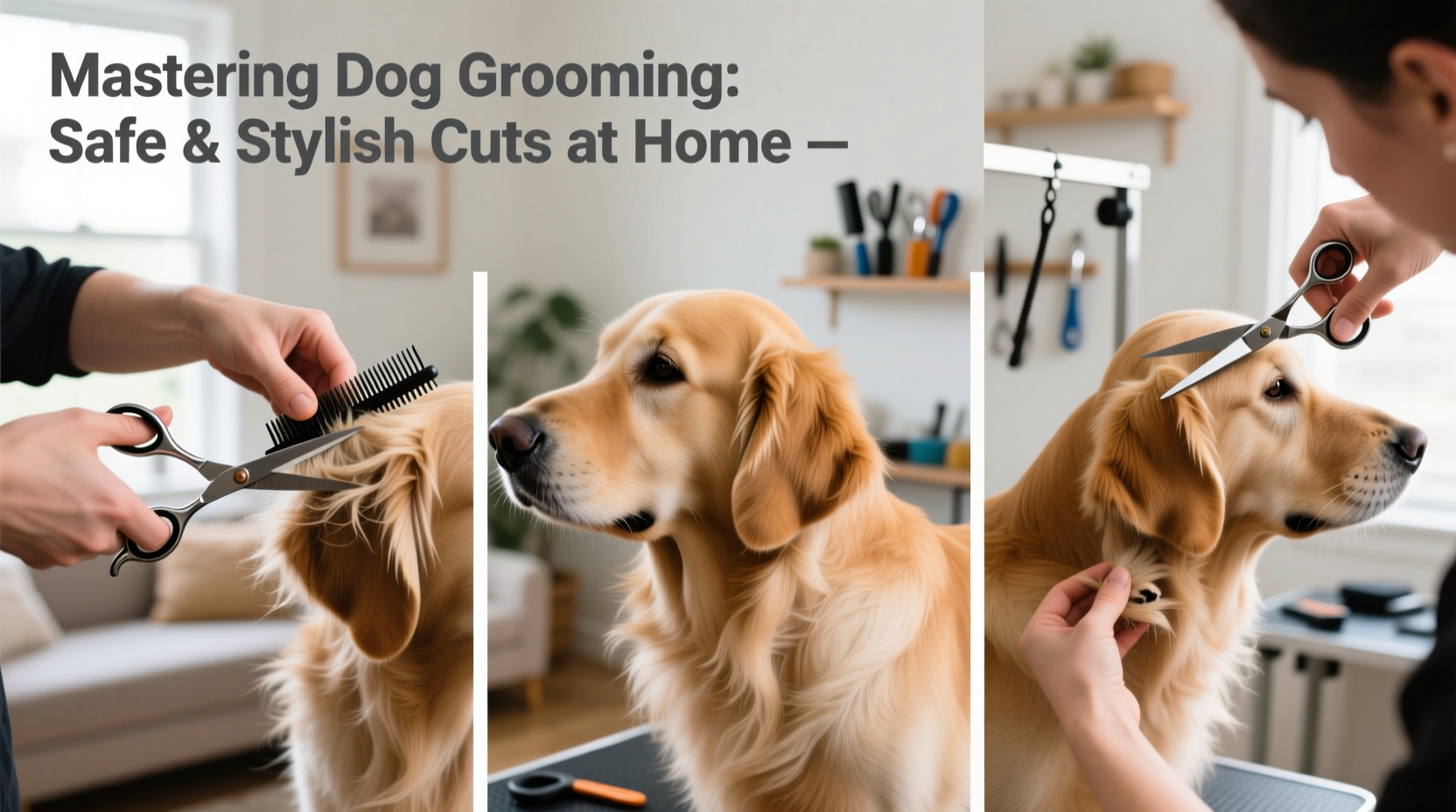
While clippers handle bulk fur removal efficiently, scissors provide control and finesse that machines cannot replicate. They allow for detailed shaping, blending, and finishing touches that define professional grooming. Unlike clippers, which can overheat or leave blunt edges, scissors enable smooth, natural-looking lines. This is especially important for breeds with longer coats or those requiring specific breed-standard styling.
Scissor grooming also reduces stress for dogs sensitive to clipper noise. A quiet, steady hand with sharp shears often feels calmer and more predictable. However, improper use—such as dull blades or incorrect angles—can lead to uneven cuts, pulled hair, or accidental nicks. Mastery begins with understanding your tools and approach.
Essential Tools and Setup
Before making your first cut, gather the proper equipment. Using the wrong type of scissors can compromise safety and results. Invest in high-quality grooming-specific shears designed for animal fur, not household or craft scissors.
| Type of Scissor | Purpose | Recommended For |
|---|---|---|
| Straight Blunt-Tip Shears (7–10 inch) | General trimming and shaping | Body, legs, and overall contouring |
| Curved Shears | Smoothing contours around hips and tail base | Poodles, Bichons, Shih Tzus |
| Thinning Shears (30–40% density) | Blending layers and reducing bulk without visible lines | Dense double coats, transition zones |
| Extra-Small Sharp-Tip Shears (5–6 inch) | Precise facial, paw, and sanitary trims | Eyes, ears, foot pads, genital area |
In addition to scissors, you’ll need a slicker brush, comb, detangling spray, non-slip mat, and possibly a grooming arm. Keep all tools within reach but out of your dog’s chewing range. Work in a well-lit, quiet space where distractions are minimal.
“Scissors are an extension of your hands in grooming. The sharper and better balanced they are, the more control you have—and the safer the process becomes.” — Carla Mendez, Master Canine Stylist & AKC Judge
Step-by-Step Guide to Safe Scissor Trimming
Follow this sequence to ensure consistency, comfort, and precision. Perform each step only after the coat is fully brushed and free of mats.
- Brush and Detangle Thoroughly: Begin with a slicker brush, then follow with a metal comb. Any tangles must be resolved before cutting; otherwise, scissor pressure may pull skin or create uneven lengths.
- Start with Sanitary Trims: Use small sharp-tip scissors to trim fur around the genitals, anus, and underbelly. Hold the skin taut and cut upward, away from the body. This improves hygiene and prevents waste accumulation.
- Trim Paw Pads: Lift one paw at a time. Spread the toes gently and clip excess fur growing between the pads. Cut straight across for neatness and better traction. Avoid cutting too close to avoid nicking sweat glands.
- Shape the Face: For long-haired breeds, carefully trim around the eyes using curved or blunt-tip shears. Never point scissors toward the eye. Trim whiskers only if necessary and never flush—leave them slightly longer than the fur.
- Blend Body Coat: Use thinning shears to soften transitions between clipped and unclipped areas. Work in small sections, holding the fur vertically with your non-dominant hand and cutting at a slight angle for soft edges.
- Define Legs and Tail: Follow the natural bone structure. For legs, maintain a tapered look from top to bottom. On the tail, shape according to breed standards—rounded for spaniels, plumed for setters, or docked-style for poodles.
- Final Inspection: Rotate your dog and check symmetry from multiple angles. Look for missed spots, stray hairs, or uneven lines. Make minor adjustments with precision shears.
Common Mistakes and How to Avoid Them
Even experienced groomers make errors when fatigued or rushed. Awareness prevents harm and builds better habits.
- Cutting on a wet coat: Wet fur stretches and appears longer. Wait until the coat is completely dry before scissor work to avoid over-trimming.
- Using dull scissors: Dull blades tug at hair instead of cutting cleanly, causing discomfort. Sharpen shears every 2–3 months or after 40+ grooming sessions.
- Ignoring tension: Always hold the fur taut with your fingers or comb. Loose hair leads to jagged, uneven results.
- Overusing thinning shears: Excessive thinning creates a ragged, chewed appearance. Limit use to blending—not shaping entire sections.
- Skipping breaks: Long sessions stress dogs and reduce your focus. Take 5-minute pauses every 15–20 minutes to let your dog relax and rehydrate.
Real Example: Grooming a Shih Tzu at Home
Sarah, a first-time owner in Portland, wanted to maintain her Shih Tzu Max’s signature topknot without weekly salon visits. After researching techniques, she purchased a set of 8-inch straight shears and 5-inch curved scissors. She began by brushing Max daily to prevent mats. During grooming, she started with paw and sanitary trims, then carefully shortened the fur around his eyes using blunt-tip shears. By holding each section of hair between her fingers and cutting at a 45-degree angle, she achieved a rounded, even face. Over three sessions, Max grew accustomed to the process, and Sarah gained confidence. Now, she maintains his full-body trim every six weeks, saving over $300 annually.
Checklist: Preparing for Your First Scissor Session
- ✅ Brush coat until no tangles remain
- ✅ Ensure all scissors are clean and sharp
- ✅ Set up non-slip grooming table or mat
- ✅ Have treats and praise ready
- ✅ Start with low-risk areas (paws, sanitary)
- ✅ Work in short, focused intervals
- ✅ Inspect final result from all angles
Frequently Asked Questions
Can I use human hair scissors on my dog?
No. Human scissors are not designed for thick or coarse pet fur and will quickly dull or slip. Pet grooming shears have stronger steel, ergonomic handles, and safety features like finger rests and blunt tips.
How do I know when to sharpen my scissors?
If the blades crush rather than cut hair, require excessive force, or produce jagged ends, they need sharpening. A simple paper test helps: if they can’t smoothly cut a straight line on printer paper, they’re too dull for safe use.
My dog moves suddenly while I’m cutting. What should I do?
Stop immediately. Reassure your dog and wait for calmness. Consider enlisting help to gently hold the dog or break the session into smaller parts. If anxiety persists, consult a professional groomer or veterinarian about behavioral support.
Conclusion: Confidence Through Practice and Care
Mastering dog grooming with scissors is a skill built over time, not overnight. Each session deepens your understanding of your dog’s coat texture, temperament, and unique needs. With consistent practice, attention to detail, and respect for safety, you’ll deliver not only stylish cuts but also strengthen your bond through touch and routine. Start small, celebrate progress, and remember: every expert groomer was once a beginner with a shaky hand and a determined heart.




 浙公网安备
33010002000092号
浙公网安备
33010002000092号 浙B2-20120091-4
Comments
No comments yet. Why don't you start the discussion?