
As temperatures rise, many pet owners look for stylish and functional summer outfits to keep their dogs cool, protected, and looking adorable. However, even the most breathable fabric or UV-protective design can fall short if the fit is wrong. An ill-fitting outfit can restrict movement, cause chafing, or even lead to overheating. The key to success? Accurate dog measurements. Unlike humans, dogs come in vastly different shapes and proportions—even within the same breed. A one-size chart rarely tells the whole story. This guide walks you through the precise steps to measure your dog correctly, avoid common sizing pitfalls, and confidently select summer apparel that fits like it was made just for them.
Why Proper Fit Matters More Than Style
A well-fitted summer outfit does more than look good—it supports your dog’s comfort, mobility, and safety. During warmer months, dogs rely heavily on natural cooling mechanisms, including panting and heat dissipation through their paws and skin. Clothing that's too tight can interfere with these processes, increasing the risk of heat stress. On the other hand, overly loose garments may flap around, get caught on objects, or bunch up under the belly, creating friction.
Additionally, summer-specific clothing often includes features like mesh panels, reflective strips, or built-in sun protection. These elements only work as intended when properly positioned—something only accurate sizing can guarantee. A chest strap that cuts into the armpits or a neckline that rubs against the throat defeats the purpose of thoughtful design.
Step-by-Step Guide to Measuring Your Dog
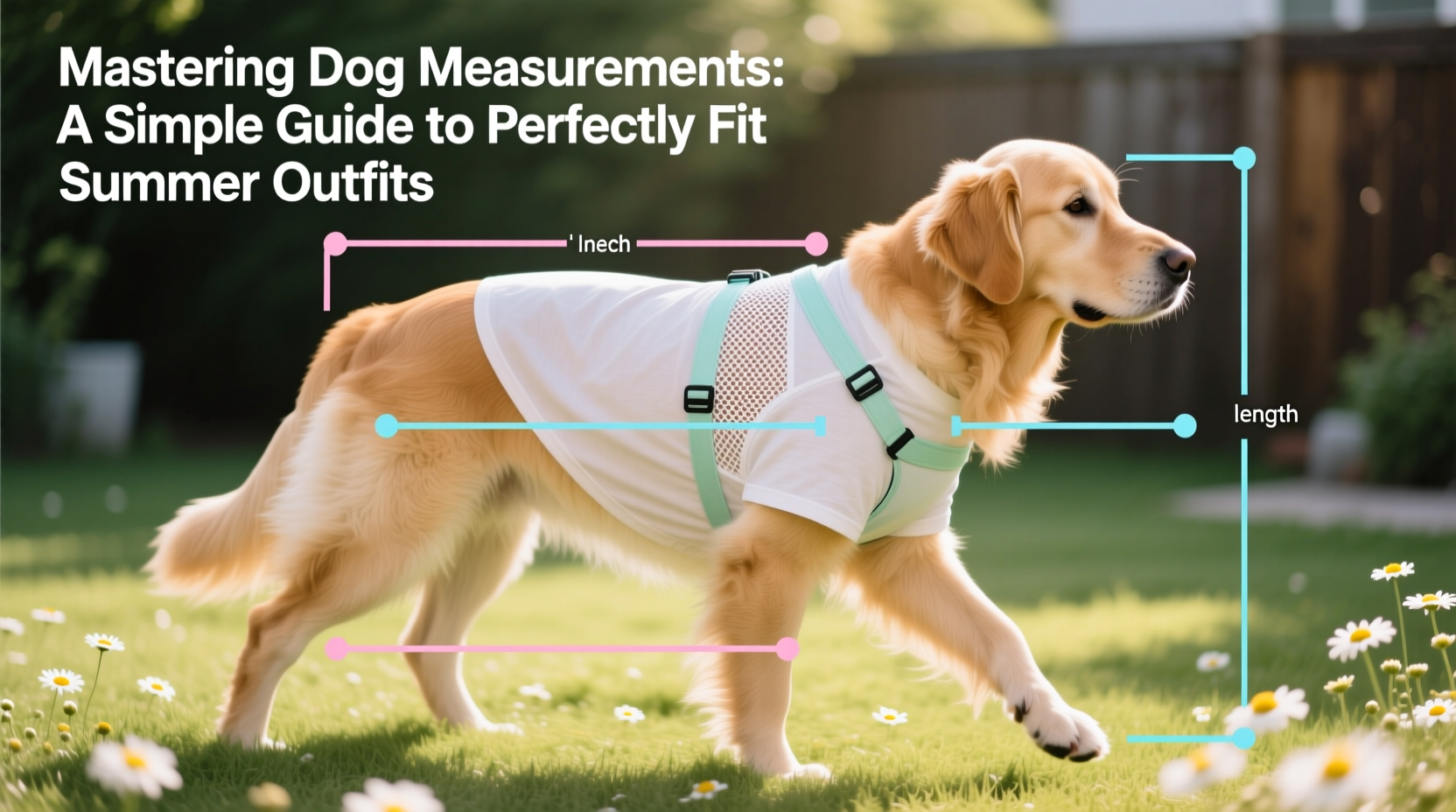
Measuring your dog at home is simple with the right tools and technique. Use a soft fabric tape measure (the kind used for sewing), and enlist a helper if your dog is wiggly. Follow this five-step process for reliable results:
- Neck Circumference: Measure around the base of the neck where the collar sits. Leave enough room to fit two fingers between the tape and skin for comfort.
- Chest Girth: Wrap the tape around the widest part of the chest, just behind the front legs. This is usually the largest measurement and the most critical for fit.
- Back Length: Measure from the base of the neck (where the collar starts) down the spine to the base of the tail. This determines where the garment ends and ensures coverage without restricting movement.
- Weight: Record your dog’s current weight. Many brands use weight ranges alongside physical dimensions to recommend sizes.
- Leg Openings (Optional): For rompers or full-body suits, measure the circumference of the upper leg to prevent pinching.
Take each measurement twice to confirm accuracy. Avoid pulling the tape too tight—snug but not compressive is ideal. If your dog is between sizes, opt for the larger one, especially in hot weather, to allow airflow.
Common Measurement Mistakes to Avoid
Even experienced pet owners make errors when measuring their dogs. Awareness of these common pitfalls can save time, money, and discomfort for your pet.
| Mistake | Why It’s a Problem | How to Fix It |
|---|---|---|
| Measuring over thick fur | Fur adds bulk, leading to oversized garments that slip or sag | Part the fur slightly to measure skin-level contours |
| Using a rigid ruler instead of a flexible tape | Inaccurate curves result in poor fit, especially around the chest | Always use a soft measuring tape |
| Measuring a moving dog | Shifting posture distorts readings | Measure when calm, ideally after a walk |
| Relying solely on breed size charts | Breed averages don’t account for individual variation | Use charts as a starting point, but always measure |
Expert Insight: What Veterinarians Say About Pet Apparel
Veterinary professionals emphasize that while seasonal clothing can offer benefits, improper fit poses real health risks. Dr. Lena Patel, a small animal veterinarian based in Austin, TX, explains:
“Dogs don’t sweat like humans do. Any clothing that traps heat or limits air circulation can contribute to overheating. I’ve seen cases where tight seams caused skin irritation that led to secondary infections. When done right, summer gear can protect against sunburn and insect bites—but measurement precision is non-negotiable.” — Dr. Lena Patel, DVM
This underscores the importance of treating dog clothing with the same care as medical equipment: correct sizing ensures both safety and performance.
Checklist: Pre-Purchase Measurement Routine
Before buying any summer outfit, run through this quick checklist to ensure you have all necessary data:
- ✅ Measured neck circumference
- ✅ Measured chest girth (widest point)
- ✅ Measured back length (base of neck to tail)
- ✅ Recorded current weight
- ✅ Consulted brand-specific size chart
- ✅ Accounted for fur thickness (adjusted for shedding season if needed)
- ✅ Verified return policy in case of sizing issues
Real Example: How Bella the Beagle Got Her Perfect Summer Vest
Sarah from Portland adopted Bella, a stocky beagle mix, last year. Excited to dress her for summer hikes, she ordered a “medium” cooling vest online based on breed guidelines. When it arrived, the chest strap dug into Bella’s shoulders, and the back rode up when she ran.
Sarah re-measured using a soft tape, discovering Bella’s chest was 32 inches—larger than average for her weight. She contacted the brand with exact numbers and exchanged the vest for a large. The new fit allowed full range of motion, stayed securely in place, and effectively reduced Bella’s body temperature during trail walks. Sarah now keeps Bella’s measurements saved in her phone for future purchases.
Frequently Asked Questions
Can I use my dog’s collar size for clothing?
Only for neck openings. Most dog clothes depend more on chest girth than neck size. Using collar size alone often leads to garments that are too short in the body or too tight across the chest.
What if my dog is between sizes?
Choose the larger size, especially for summer wear. Extra room allows better airflow and prevents restriction during activity. You can sometimes adjust fit with Velcro straps or side ties.
Do puppies need different measuring techniques?
Puppies grow quickly, so measure every 4–6 weeks during rapid growth phases. Focus on current dimensions rather than projected adult size. Opt for adjustable clothing with elastic or snap closures to extend usability.
Conclusion: Confidence Starts with Correct Measurements
Choosing the right summer outfit for your dog shouldn’t be guesswork. With accurate measurements, you eliminate the frustration of returns, wasted money, and—most importantly—your pet’s discomfort. Whether it’s a lightweight tee, a sunshield cape, or a cooling vest, precision fitting transforms clothing from a novelty into a functional tool for your dog’s well-being.




 浙公网安备
33010002000092号
浙公网安备
33010002000092号 浙B2-20120091-4
Comments
No comments yet. Why don't you start the discussion?