
Teaching your dog to come when called is one of the most important skills in obedience training. A reliable recall can prevent accidents, protect your dog from danger, and give both of you greater freedom during walks and outdoor activities. While many owners struggle with inconsistent responses—especially in distracting environments—the solution often lies in structured, progressive training using a long leash. This tool bridges the gap between controlled practice and real-world reliability, allowing you to guide your dog without restricting learning.
Why the Long Leash Is Essential for Recall Training
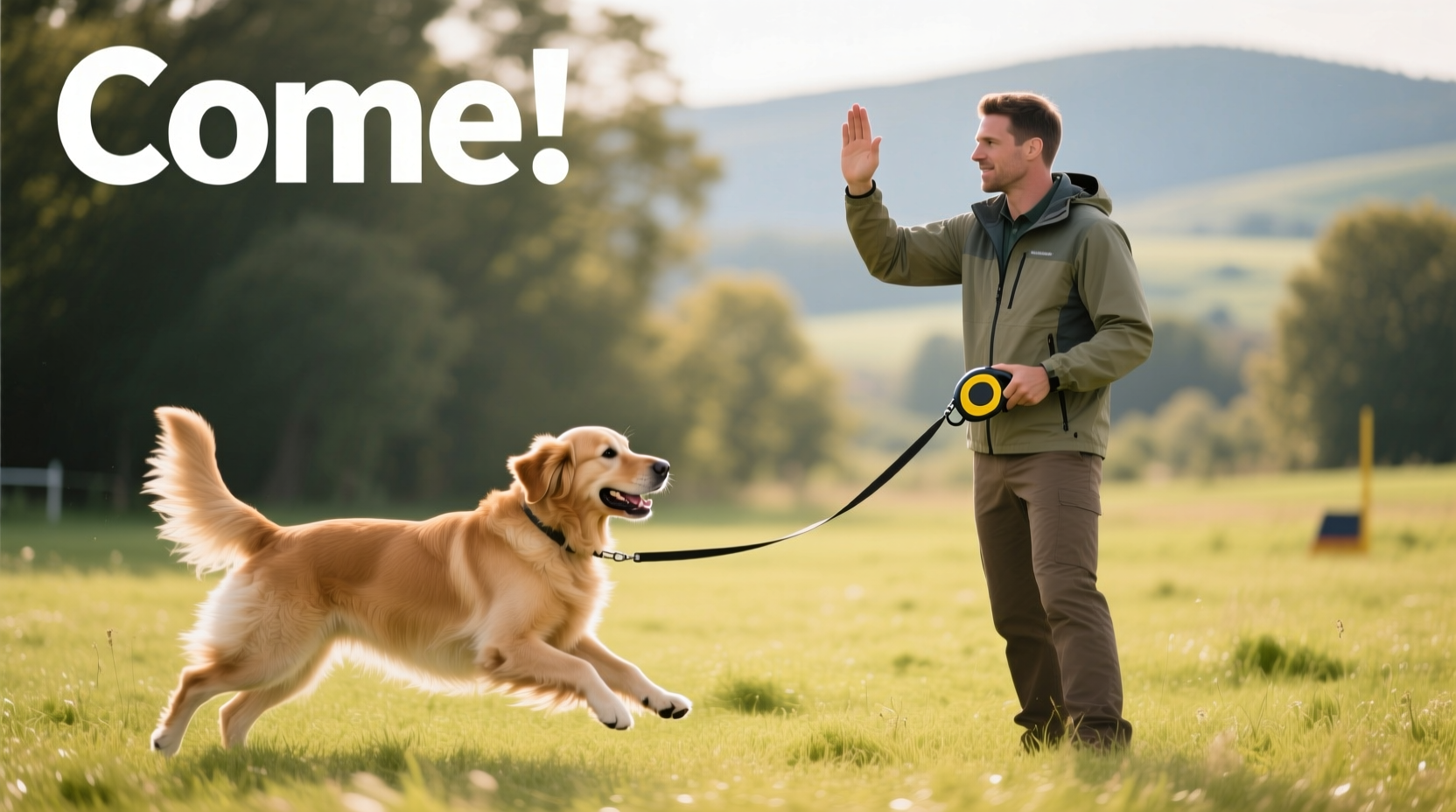
A 10–30-foot lightweight leash is not just a safety measure—it’s a teaching aid. Unlike retractable leashes, which can encourage pulling and lack precision, a long line (as it's commonly called) gives you control while allowing your dog room to explore. This balance is critical during recall training because it simulates off-leash freedom while still enabling correction or redirection if your dog ignores the cue.
The long leash works by creating a consequence-reward loop: when your dog responds correctly, they earn praise and continued freedom; when they ignore the call, gentle guidance reinforces that coming back is non-negotiable. Over time, this builds consistency even in high-distraction settings like parks or trails.
Step-by-Step Guide to Building Reliable Recall
Success starts with breaking down the skill into manageable stages. Rushing ahead leads to confusion and setbacks. Follow this timeline to build a rock-solid foundation.
- Start Indoors with Zero Distractions: Practice in a quiet room using high-value treats. Say your dog’s name followed by “Come” in an upbeat tone. When they move toward you, mark the behavior with a clicker or verbal marker like “Yes!” and reward immediately.
- Add the Long Leash in a Fenced Yard: Attach the long line and let your dog roam within the safe boundary. Call them once. If they respond, celebrate enthusiastically. If not, gently reel them in without scolding, then reward upon arrival.
- Increase Distance Gradually: Begin at five feet, then extend to ten, twenty, and thirty feet as accuracy improves. Always maintain a positive tone—even failed attempts should end with encouragement.
- Introduce Mild Distractions: Practice near toys or low-level activity. The goal isn’t perfection yet but shaping better choices. Reward faster responses and ignore minor hesitations.
- Move to Semi-Open Areas: Choose a quiet park early in the morning. Keep the long leash attached and repeat the same cues. Now you can manage wildlife sightings or distant people without losing control.
- Test and Fade the Leash: After consistent success across multiple sessions, attempt brief off-leash trials in secure areas. Keep the long leash nearby for quick reattachment if needed.
“Dogs don’t fail recall—they’re often just responding to clearer incentives elsewhere. Your job is to make coming back more rewarding than wandering off.” — Dr. Sarah Thornton, Certified Canine Behaviorist
Common Mistakes That Undermine Recall Success
Even well-meaning owners unknowingly sabotage progress. Awareness of these pitfalls can save months of frustration.
| Mistake | Why It Hurts Training | Better Approach |
|---|---|---|
| Calling too many times | Dog learns the first few calls are optional | Call once, then use the long leash to guide return |
| Ending fun after recall | Dog associates coming back with playtime ending | Release them to continue playing after check-in |
| Using a harsh tone when calling | Fear or anxiety overrides compliance | Use an excited, inviting voice every time |
| Skipping the long leash phase | Lack of control leads to repeated failures | Train on long line for at least 4–6 weeks |
Real Example: Turning Around a Stubborn Retriever
Max, a two-year-old Labrador, loved chasing squirrels and would routinely ignore his owner’s calls at the local trail. After several close calls, his owner began using a 20-foot long line during daily training walks. She started in a quiet corner of a large field, calling Max only when he was already looking her way. Each successful return earned him a piece of chicken and permission to resume exploring.
Over three weeks, she gradually increased distractions—first adding other dogs at a distance, then practicing near squirrel-heavy trees. By week five, Max consistently turned back after one call, even mid-chase. The long leash allowed her to gently interrupt poor choices without yelling or punishment. Today, Max has a 95% off-leash recall in designated areas—all thanks to structured long-line training.
Checklist for Effective Long-Leash Recall Sessions
- ✅ Use a properly fitted harness (avoid slip collars that can injure the neck)
- ✅ Choose a flat, open area free of traffic or aggressive animals
- ✅ Bring plenty of small, soft treats your dog rarely gets
- ✅ Limit sessions to 10–15 minutes to maintain focus
- ✅ End on a positive note—even if you have to reset and simplify
- ✅ Practice at least 4 times per week for fastest results
- ✅ Avoid using the “come” command for undesirable activities (e.g., bath time)
Frequently Asked Questions
Can I use a retractable leash instead of a long line?
No. Retractable leashes do not provide consistent feedback and can tangle easily. They also teach dogs they can ignore you until the line stops extending. A fixed-length long line offers better control and clearer boundaries.
What if my dog pulls away when I try to reel them in?
If your dog resists, avoid yanking. Instead, gently jiggle the line to get their attention, then call their name cheerfully. Once they turn or take a step toward you, mark and reward. Over time, they’ll learn that moving toward you ends discomfort faster.
How long does it take to master recall with a long leash?
Most dogs show noticeable improvement within 2–3 weeks of consistent practice. Full reliability in distracting environments typically takes 6–12 weeks. Older or previously untrained dogs may require longer, but progress is almost always possible with patience.
Conclusion: From Dependence to Freedom
Mastering dog recall isn’t about dominance or instant results—it’s about building trust, clarity, and motivation through smart, incremental training. The long leash is not a crutch; it’s a bridge to true off-leash freedom. By investing time in structured sessions, avoiding common mistakes, and making recall more rewarding than distraction, you create a bond rooted in cooperation rather than control.
Your dog doesn’t need to be perfect to succeed. They just need consistent guidance and positive reinforcement. Start today with a simple indoor session, add the long leash tomorrow, and watch confidence grow—for both of you.




 浙公网安备
33010002000092号
浙公网安备
33010002000092号 浙B2-20120091-4
Comments
No comments yet. Why don't you start the discussion?