
Navigating turns is one of the most frequent maneuvers drivers perform, yet it remains a common source of accidents, especially at intersections and in urban environments. Whether you're making a left turn across traffic, merging into a roundabout, or navigating a tight corner in a parking lot, precision and awareness are essential. Mastering turning techniques isn't just about steering the wheel—it's about timing, observation, communication, and vehicle control. This guide breaks down the critical components of safe and confident turning, offering actionable strategies for drivers of all experience levels.
The Fundamentals of Safe Turning
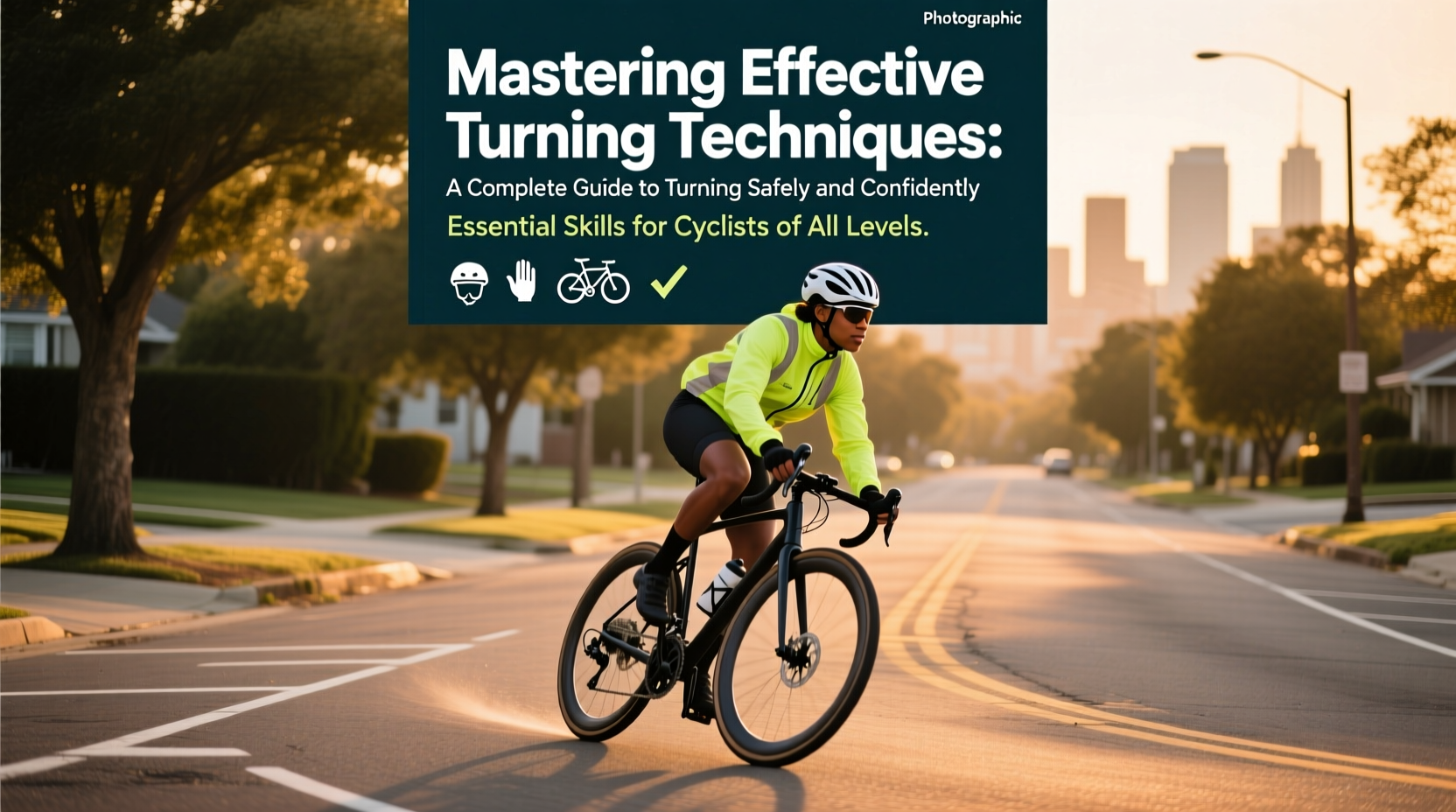
Every successful turn begins long before the steering wheel moves. The foundation of safe turning lies in preparation, positioning, and perception. Drivers must assess speed, lane position, visibility, and surrounding traffic patterns well in advance. A smooth turn is not the result of quick reflexes alone but of deliberate anticipation.
One of the most overlooked aspects of turning is maintaining proper lane discipline. For example, when preparing for a right turn, a driver should position the vehicle close to the curb or right edge of the road—but not so close as to risk hitting pedestrians or cyclists. Similarly, left turns require centerline awareness and enough space to complete the maneuver without encroaching on oncoming lanes.
Step-by-Step Guide to Executing Common Turns
Different types of turns demand different approaches. Below is a structured breakdown of three primary turning scenarios every driver encounters.
1. Right Turn at an Intersection
- Activate your right turn signal at least 100 feet before the intersection.
- Move toward the right edge of your lane, ensuring you don’t block bike lanes.
- Check for pedestrians, cyclists, and vehicles approaching from the right.
- Yield to cross traffic and crossing pedestrians.
- Begin turning only when the path is clear, keeping your wheels straight until committed.
- Complete the turn into the nearest right lane, avoiding wide swings.
2. Left Turn at a Signalized Intersection
- Signal left at least 100 feet in advance.
- Position your vehicle in the leftmost lane designated for left turns.
- Stop behind the limit line and wait for a green arrow or a safe gap in oncoming traffic.
- Look left, then right, then left again before moving.
- Turn smoothly into the leftmost lane of the road you’re entering.
- Avoid cutting corners or entering the wrong lane.
3. Navigating a Roundabout
- Approach the roundabout in the correct lane—right lane for right or straight exits, left lane for left turns or U-turns.
- Yield to traffic already in the circle—vehicles to your left have the right-of-way.
- Enter when there’s a safe gap, signaling appropriately.
- Maintain a slow, steady speed (10–15 mph) while inside.
- Signal right before exiting to alert others.
- Exit smoothly without stopping unless necessary.
Common Turning Mistakes and How to Avoid Them
Even experienced drivers can fall into bad habits. Recognizing these errors is the first step toward correction.
| Mistake | Risk | Solution |
|---|---|---|
| Turning too wide | Hitting curbs, encroaching on other lanes | Start closer to the center (left turns) or curb (right turns); follow arc geometry |
| Not signaling early enough | Confusing other drivers and cyclists | Signal at least 100 feet before the turn |
| Turning on red without stopping | Pedestrian collisions, legal penalties | Always come to a complete stop and yield fully |
| Looking only forward during the turn | Missing cyclists or pedestrians in blind zones | Scan continuously—check mirrors and blind spots mid-turn |
| Rushing the turn | Losing control, oversteering | Reduce speed before turning; accelerate gently after completing the turn |
Expert Insight: What Driving Instructors Emphasize
Professional driving educators consistently stress the importance of situational awareness during turns. According to Mark Reynolds, a certified defensive driving instructor with over 20 years of experience:
“Most intersection collisions happen during turns because drivers focus only on the vehicle ahead or the direction they want to go. Real safety comes from scanning all directions—even after starting the turn. A left turn isn’t over until you’re fully in your new lane and tracking straight.”
This holistic approach includes checking rearview mirrors mid-turn to ensure no cyclist or motorcyclist has entered your blind spot—a frequently underestimated hazard.
Real-World Scenario: A Close Call Avoided
Consider the case of Sarah, a commuter in Portland, Oregon. Approaching a busy downtown intersection, she signaled a left turn on a green light (not an arrow). She began her turn when oncoming traffic paused, but halfway through, a cyclist emerged from her blind spot on the right side. Because she had practiced continuous scanning and kept her speed low, she noticed the cyclist in her side mirror and paused mid-turn, allowing the rider to pass safely.
This scenario highlights two key lessons: first, that even legal turns require constant vigilance; second, that controlled speed enables better reaction time. Had Sarah accelerated quickly through the turn, the outcome could have been drastically different.
Essential Turning Checklist
Use this checklist every time you prepare to turn—especially in unfamiliar or high-traffic areas.
- ✅ Signal at least 100 feet in advance
- ✅ Check rearview and side mirrors
- ✅ Perform a shoulder check for blind spots
- ✅ Reduce speed appropriately before the turn
- ✅ Position vehicle correctly in the lane
- ✅ Yield to pedestrians and cross traffic
- ✅ Complete turn into the correct lane
- ✅ Cancel turn signal after finishing
Frequently Asked Questions
Is it ever safe to turn left on a red light?
In most U.S. states, you may turn left on red only when turning from a one-way street onto another one-way street, provided it’s legal and safe. Always come to a complete stop, yield to all traffic and pedestrians, and proceed only when clear. Check local regulations, as rules vary by state.
How do I prevent my car from stalling during slow turns?
Stalling often occurs when clutch and accelerator coordination is off, particularly in manual transmission vehicles. Practice balancing the clutch in low-speed maneuvers. In automatics, use light brake pressure and avoid riding the brake. Keep slight forward momentum during tight turns like those in parking garages.
What’s the safest way to make a U-turn?
U-turns are permitted only where legal and safe—never on curves, hills, or near intersections unless explicitly allowed. Signal well in advance, ensure at least 500 feet of clear visibility in both directions, and yield to all traffic. In heavy traffic, it’s safer to make a three-point turn via side streets.
Conclusion: Drive with Confidence Through Mastery
Turning may seem routine, but its risks are real. By mastering the mechanics, psychology, and etiquette of turning, you significantly reduce the likelihood of collisions and enhance your presence on the road. Confidence doesn’t come from speed or boldness—it comes from preparation, awareness, and disciplined execution. Apply these techniques every time you drive, and encourage others to do the same.




 浙公网安备
33010002000092号
浙公网安备
33010002000092号 浙B2-20120091-4
Comments
No comments yet. Why don't you start the discussion?