
Packing a large travel backpack efficiently is more than just filling space—it’s about strategy, balance, and accessibility. Whether you're embarking on a three-month trek through Southeast Asia or a two-week hiking expedition in the Andes, how you organize your gear can make the difference between a smooth journey and constant frustration. A well-packed backpack supports better weight distribution, protects fragile items, and ensures that essentials are always within reach. With input from seasoned travelers, outdoor educators, and logistics experts, this guide delivers practical, field-tested methods to help you pack smarter, not harder.
Choose the Right Backpack and Understand Its Structure
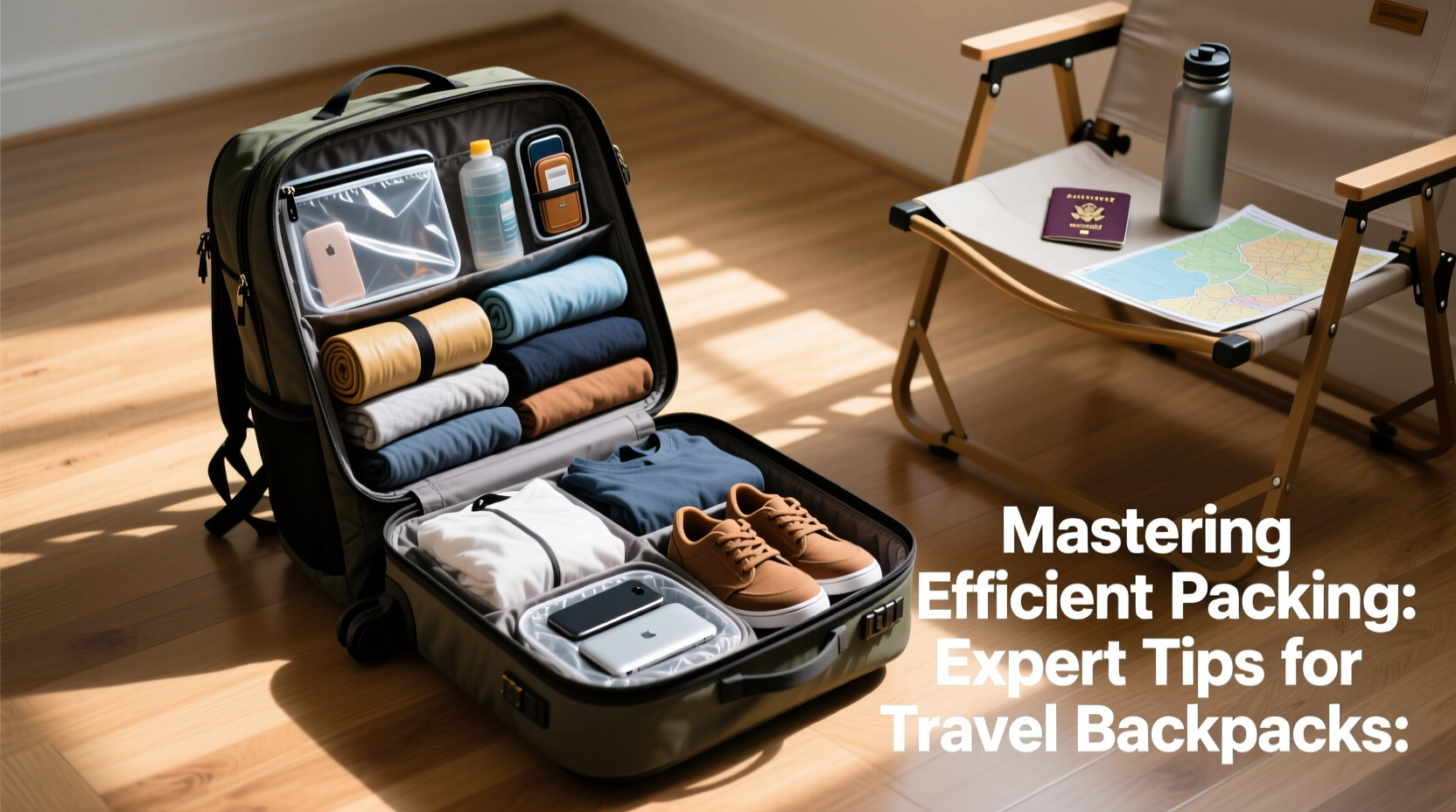
Before you begin packing, ensure your backpack is designed for extended travel. Look for models with a capacity of 55–75 liters, padded shoulder straps, a supportive hip belt, and multiple compartments. Most high-quality travel backpacks include a main compartment, a front panel or clamshell opening, side pockets, hydration sleeves, and often a removable daypack.
Understanding each section’s purpose is critical:
- Main compartment: Ideal for bulky, less frequently used items like clothing and sleeping bags.
- Front pocket or panel: Best for quick-access items such as passports, snacks, or rain gear.
- Side pockets: Designed for water bottles, tripods, or trekking poles.
- Hip belt pockets: Perfect for small essentials like lip balm, sunscreen, or trail maps.
- Bottom compartment: Useful for separating dirty laundry or heavy gear.
Adopt the Layered Packing Method
Efficient packing follows a vertical layering system—bottom to top—based on weight, frequency of use, and item sensitivity. This method keeps your center of gravity low and maintains stability during movement.
- Bottom layer: Place soft, bulky, and rarely accessed items here. Examples include sleeping bags, down jackets, and extra sweaters. Use compression sacks to reduce volume.
- Middle layer: Pack heavier but essential gear like shoes, books, or electronics. Position them close to your back to improve balance.
- Top layer: Reserve this area for daily necessities such as toiletries, adapters, and a change of clothes. You’ll access these first when setting up camp or checking into hostels.
- External pockets: Distribute by function—hydration bladder in the sleeve, rain cover in the stretch pocket, medications in secure zippered sections.
This approach prevents overpacking the top, which can shift the backpack’s balance forward and strain your shoulders.
Use Packing Cubes and Compression Techniques
Packing cubes are game-changers for organization. They compartmentalize clothing by category (e.g., tops, bottoms, underwear), making it easy to locate items without unpacking everything. Opt for lightweight, durable cubes with mesh panels for breathability.
Roll clothes instead of folding to minimize wrinkles and save space. For maximum compression, place rolled garments inside vacuum or silicone-sealed compression bags and squeeze out excess air. Avoid over-compressing delicate fabrics or down insulation, which can lose loft over time.
| Item | Packing Method | Recommended Container |
|---|---|---|
| T-shirts & Underwear | Roll tightly | Small packing cube |
| Jeans or Pants | Fold in half, then roll | Medium cube |
| Jacket / Sweater | Compress flat | Compression sack |
| Toiletries | Store upright in leak-proof bag | Clear toiletry pouch |
| Electronics | Wrap in soft fabric | Hard-sided case or padded sleeve |
“Packing cubes do more than organize—they psychologically limit how much you bring. When the cube is full, you stop adding.” — Daniel Park, Adventure Travel Consultant
Real-World Example: A Trekker’s 60-Day Journey Across Nepal
Sophie, an experienced hiker, prepared for a two-month trek through the Himalayas carrying only a 65-liter backpack. Her success came from meticulous planning and iterative testing. Two weeks before departure, she laid out all intended items and packed her bag daily during trial hikes around her hometown.
She discovered that bringing three pairs of socks was sufficient when paired with a quick-dry laundry routine every five days. She replaced a heavy paperback with a Kindle and swapped bulky toiletries for solid bars. By using color-coded packing cubes—one pink for warm layers, green for base layers, blue for sleepwear—she could find anything in under ten seconds, even at 4,000 meters.
The result? She completed her journey without repacking, redistributing weight only once due to changing weather. Her system became a model shared among fellow trekkers at tea houses along the Annapurna Circuit.
Essential Do’s and Don’ts of Backpack Organization
Avoid common pitfalls that compromise comfort and efficiency. The following table summarizes key behaviors to adopt—or avoid.
| Do’s | Don’ts |
|---|---|
| Keep heavy items centered and close to your back | Place heavy gear at the top or far from your spine |
| Use dry bags for electronics and important documents | Assume your backpack is waterproof without a cover |
| Pack a repair kit (duct tape, needle thread, safety pins) | Forget to test zipper function after loading |
| Distribute weight evenly between sides | Overstuff one side, causing imbalance |
| Label cubes or compartments with masking tape | Mix clean and dirty clothes without separation |
Step-by-Step: How to Pack Your Backpack in 30 Minutes
Follow this sequence the night before departure to ensure a stress-free start:
- Gather all items and lay them out by category: clothing, hygiene, tech, food, documents.
- Weigh yourself and set a personal limit (most travelers should stay under 20% of body weight).
- Load the bottom layer with sleeping bag or soft gear in a compression sack.
- Add middle-weight items like clothing rolls in cubes, placing heavier ones near the frame.
- Insert footwear heel-up in side pockets or in a shoe sack at the base.
- Top off with last-minute essentials: jacket, snacks, first-aid kit.
- Fill external pockets logically: water bottle on the right, headlamp in chest pocket, ID in hip pouch.
- Close and compress all zippers, tighten load adjusters, and perform a wear test around the block.
Frequently Asked Questions
How do I prevent my clothes from getting wrinkled?
Roll garments instead of folding, and place stiffer items like jeans toward the center. Use tissue paper or soft shirts as buffers between layers. Wrinkles are less noticeable in travel fabrics, so prioritize function over form.
What should I do if my backpack feels too heavy?
Reassess your load. Remove non-essentials like extra shoes, duplicate adapters, or excessive toiletries. Consider shipping non-critical items ahead or purchasing basics locally. Remember: every ounce adds up over miles.
Can I pack liquids safely in checked luggage-style containers?
No. Even sealed bottles can leak due to pressure changes or temperature shifts. Always store liquids in leak-proof travel bottles inside a sealed silicone bag. Place this bag upright in a central, cushioned area—never at the top or bottom where shifting occurs.
Final Thoughts: Pack Light, Think Deep
Efficient packing isn’t just about fitting more into less space—it’s about intentionality. Every item you carry should serve a clear purpose. Over time, skilled travelers develop a minimalist mindset, knowing that freedom from clutter enhances both physical comfort and mental clarity on the road.
Start applying these techniques on your next trip. Test different cube layouts, experiment with rolling vs. folding, and refine your system based on real-world feedback. The goal isn’t perfection—it’s progress toward a lighter load and a richer experience.




 浙公网安备
33010002000092号
浙公网安备
33010002000092号 浙B2-20120091-4
Comments
No comments yet. Why don't you start the discussion?