
Every morning begins with a simple but critical decision: what goes in your commuter bag? For many professionals, students, and city dwellers, the daily commute is shaped by how well-prepared they are. A disorganized bag leads to forgotten chargers, misplaced keys, and unnecessary stress. On the other hand, a thoughtfully packed bag streamlines your routine, reduces clutter, and ensures you’re equipped for whatever the day brings.
Efficient packing isn’t about carrying more—it’s about carrying smarter. With intentional habits and a few strategic adjustments, your commuter bag can become an extension of your productivity rather than a source of frustration.
The Foundation of Smart Packing
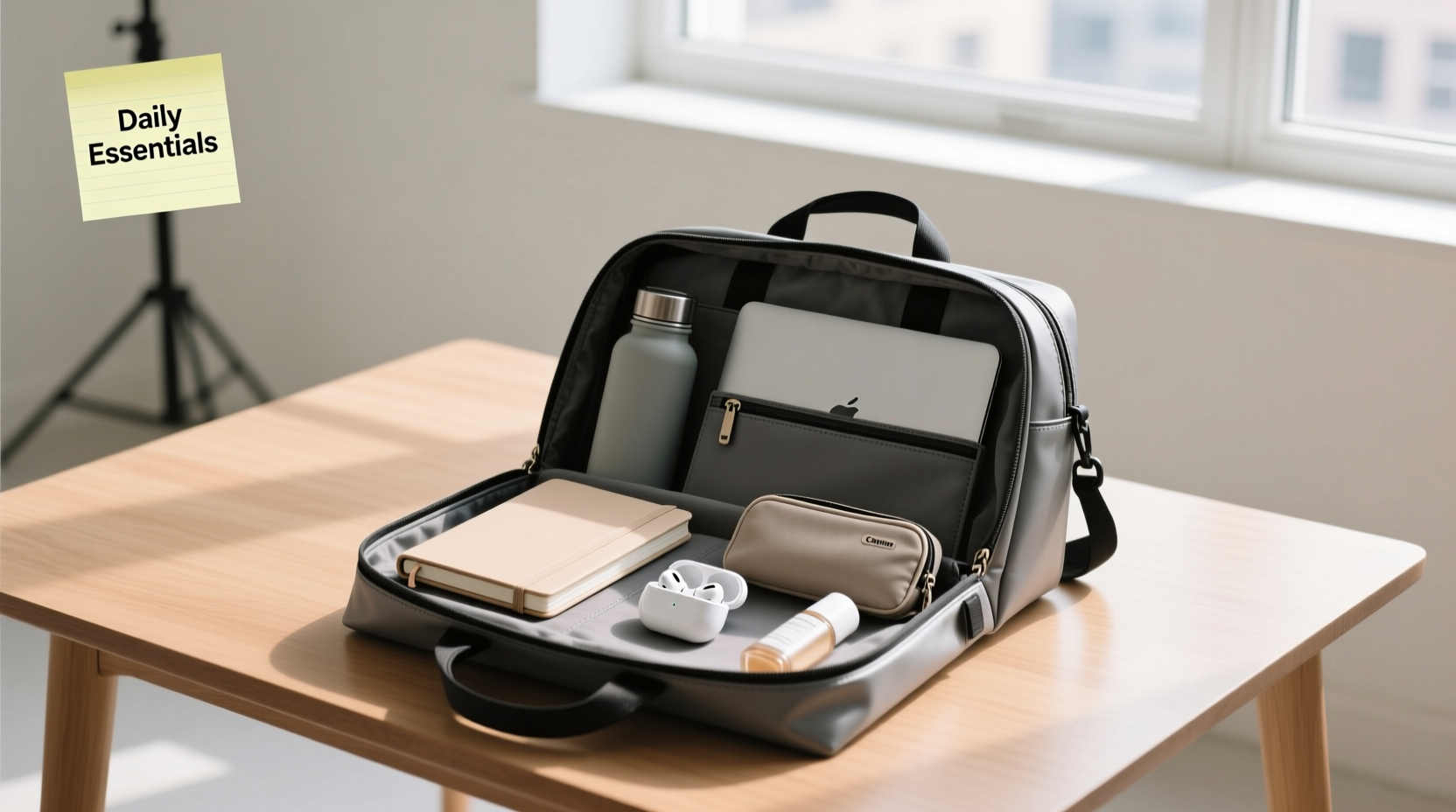
Before organizing your belongings, define your purpose. What does your day typically require? A laptop, notebook, and water bottle? Gym clothes and toiletries? Understanding your routine helps eliminate guesswork and prevents overpacking.
Start by auditing your current bag contents. Remove everything and assess each item: Is it essential? When was the last time you used it? If something hasn’t been touched in two weeks, question its necessity. This exercise reveals patterns—like duplicate adapters or expired snacks—that waste space and add weight.
Essential Categories for Daily Commuting
Structure your packing around core categories. This system creates mental clarity and makes restocking effortless. Most commuters benefit from these five zones:
- Electronics: Laptop, phone, charger, headphones, power bank
- Work & Study Tools: Notebook, pens, documents, tablet
- Personal Items: Wallet, keys, sunglasses, medication
- Hydration & Snacks: Reusable water bottle, light snack
- Weather Prep: Compact umbrella, foldable jacket, mask
Assign specific pockets or compartments to each category. Over time, muscle memory will allow you to grab items without rummaging.
Step-by-Step: The Evening Reset Routine
Packing efficiently starts the night before. Follow this sequence to wake up prepared:
- Empty and inspect: Remove all items and wipe down surfaces if needed.
- Recharge electronics: Plug in your phone, headphones, and power bank.
- Check the forecast: Decide if you need rain gear or extra layers.
- Lay out essentials: Place wallet, keys, and work materials in designated spots.
- Final pack: Insert items into their assigned compartments before bed.
This 10-minute ritual eliminates morning chaos and ensures consistency across busy weeks.
Optimize Your Bag Layout
Not all bags are created equal—but even the best design fails without smart organization. Use internal structure to your advantage:
- Place heavy items (laptop, water bottle) close to your back for better weight distribution.
- Use small zippered pockets for high-value, easily lost items like USB drives or earbuds.
- Keep frequently accessed items (phone, transit card) in quick-access slots.
- Avoid stuffing the main compartment beyond 75% capacity to prevent strain on zippers and seams.
| Item Type | Recommended Compartment | Why It Matters |
|---|---|---|
| Laptop | Dedicated padded sleeve | Prevents screen damage and cushioning during movement |
| Phone & Keys | Front quick-access pocket | Reduces fumbling at security or transit checkpoints |
| Chargers & Cables | Small pouch or side mesh pocket | Keeps cords untangled and visible |
| Snacks | Sealed container in bottom section | Prevents crumbs and spills near electronics |
Real Example: From Chaos to Control
Sarah, a project manager in Chicago, used to begin every workday frustrated. She regularly forgot her laptop charger, spilled coffee on her notes, and arrived late after retracing steps to find her keys. Her 22-liter backpack was crammed with unrelated items—old receipts, three different pens, and a half-empty water bottle.
After applying structured packing principles, she reorganized her bag using labeled silicone pouches: one for tech accessories, another for personal care, and a third for daily work tools. She also began charging devices nightly and checking her checklist each evening.
Within two weeks, Sarah reported saving 15 minutes each morning and no longer experienced “bag panic.” Her colleagues noticed her improved punctuality and calm demeanor. The change wasn’t in her schedule—it was in her system.
“Organization isn’t about perfection. It’s about creating systems that make reliable performance effortless.” — James Reed, Productivity Consultant
Checklist: Daily Commuter Bag Readiness
Print or save this checklist for nightly review:
- ✅ Laptop and charger packed
- ✅ Phone fully charged and in bag
- ✅ Wallet, ID, and transit pass accounted for
- ✅ Reusable water bottle filled (if needed)
- ✅ Weather-appropriate items included (umbrella, jacket)
- ✅ Toiletries or gym clothes packed (if applicable)
- ✅ Bag cleaned of trash and old papers
- ✅ All zippers and straps intact and functional
Run through this list once per day—ideally the night before—to ensure consistency.
Avoid Common Packing Pitfalls
Even experienced commuters fall into traps that compromise efficiency. Watch for these mistakes:
- Overloading: Carrying more than 10–15% of your body weight strains your shoulders and spine.
- Mixing food with electronics: Leaks and crumbs can damage sensitive equipment.
- Ignoring wear and tear: Frayed straps or broken zippers should be repaired promptly.
- Using mismatched bags: A bulky suitcase-style bag may be overkill for a short office commute.
Frequently Asked Questions
How do I keep my cables from tangling?
Use twist ties, Velcro wraps, or small cable organizers. Alternatively, store cords in a dedicated zipper pouch with separate compartments. Coiling them neatly before storage prevents knots.
Should I have multiple commuter bags for different needs?
Yes—for vastly different routines, specialized bags help. For example, a minimalist sling for light days and a larger backpack for gym commutes. But avoid owning too many; two well-chosen bags usually suffice.
What’s the best way to clean a commuter bag?
Check the manufacturer’s guidelines first. For most fabric bags, spot-clean with mild soap and a damp cloth. Never machine-wash unless specified. Leather or synthetic trims should be wiped gently and conditioned periodically.
Final Thoughts: Build a Habit, Not Just a Packed Bag
Efficient packing is less about the contents and more about the consistency behind them. When your routine becomes automatic—when you know exactly where your keys are and don’t second-guess your charger—you reclaim time, focus, and peace of mind.
Start small. Choose one tip from this guide—perhaps the evening reset or compartment zoning—and practice it for seven days. Once it sticks, add another. Over time, your commuter bag will transform from a dumping ground into a well-oiled tool for daily success.




 浙公网安备
33010002000092号
浙公网安备
33010002000092号 浙B2-20120091-4
Comments
No comments yet. Why don't you start the discussion?