
Carrying everything you need without the chaos is an art—and the high-capacity bucket bag has become one of the most versatile tools in modern personal organization. Whether you're commuting, traveling short distances, or juggling daily errands, a well-packed bucket bag can streamline your routine and reduce stress. But its wide opening and deep interior often lead to disarray if not managed intentionally. True efficiency comes not from what you carry, but how you organize it. With strategic layering, smart categorization, and purposeful layout, you can transform your bucket bag into a functional command center.
The Anatomy of a High-Capacity Bucket Bag
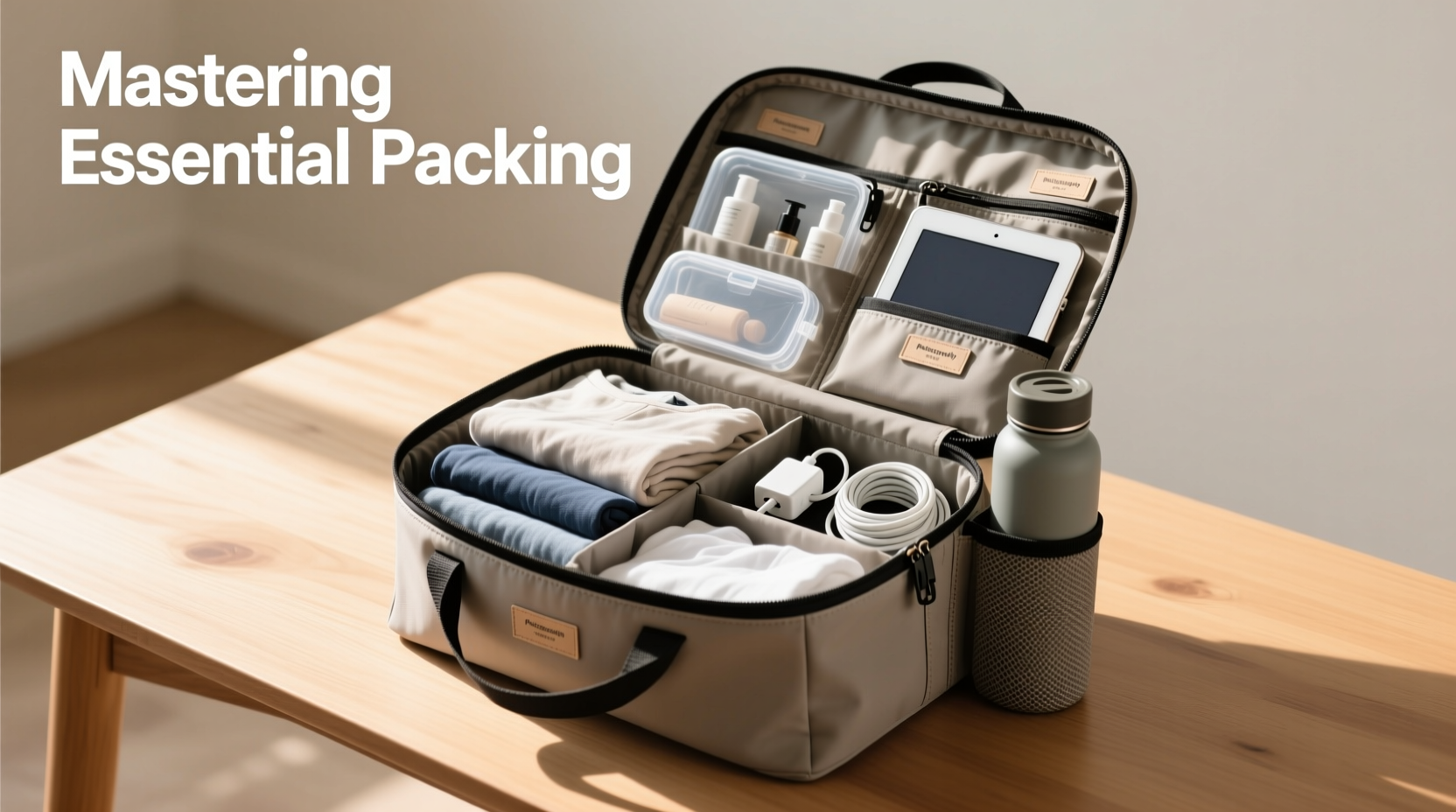
Bucket bags differ from traditional totes or backpacks in both structure and accessibility. Typically cylindrical or slightly tapered, they feature a drawstring or snap closure at the top and lack internal partitions. This open design offers flexibility but invites clutter. Understanding the physical characteristics helps inform smarter packing choices:
- Depth over width: Items sink to the bottom easily, making retrieval difficult without organization.
- Top-loading only: No side or front pockets mean all access is vertical.
- Stable base: Many stand upright, allowing for structured internal stacking.
- Versatile materials: From canvas to vegan leather, durability varies—pack accordingly.
Because of these traits, random stuffing leads to lost items and wasted time. Efficiency begins with designing zones inside the bag, even when none exist by default.
Step-by-Step Guide to Organizing Your Bucket Bag
Efficient packing isn’t about fitting more—it’s about accessing what you need instantly. Follow this six-step process to build a system that lasts through daily use.
- Empty and assess: Remove everything. Wipe down the interior. Evaluate what you actually use versus what you habitually carry.
- Categorize essentials: Group items into logical clusters: tech, personal care, work documents, snacks, etc.
- Select organizers: Choose zippered pouches, fold-over sleeves, or slim wallets that match each category’s size and frequency of use.
- Layer from bottom up: Place least-used but necessary items (like backup chargers) at the base. Stack frequently accessed items above.
- Secure loose objects: Use elastic loops or small silicone bands to keep pens, cables, or lipsticks from rolling away.
- Test and refine: Carry the bag for two days. Note any friction points—items hard to reach, weight imbalance, or overfilling—and adjust.
This method turns passive carrying into active curation. Over time, your ideal configuration becomes intuitive, saving seconds every time you reach inside.
Do’s and Don’ts of Bucket Bag Packing
| Do’s | Don’ts |
|---|---|
| Use color-coded pouches for quick visual identification | Overload the bag beyond 70% capacity |
| Keep a mini notebook or digital note list of contents | Mix liquids with electronics unprotected |
| Rotate seasonal items monthly (e.g., sunscreen vs hand warmers) | Store sharp objects loosely where they could damage linings |
| Place heavy items at the bottom for balance | Let trash or old receipts accumulate |
| Include a foldable tote as emergency extra storage | Ignore wear patterns like fraying straps or stretched openings |
Adhering to these guidelines preserves both function and longevity. A disciplined approach prevents strain on zippers and maintains ergonomic comfort during wear.
Real-World Example: The Urban Professional’s Commute
Sophie, a project manager in Chicago, used to spend five minutes each morning searching for her transit pass, noise-canceling earbuds, or pen. Her 20L canvas bucket bag was full—but inefficient. After applying structured packing principles, she reorganized using three fabric cubes: one for tech (cables, power bank, AirPods), one for personal care (hand sanitizer, compact mirror, tissues), and one for work (notebook, two pens, business cards). She placed a flat magnetic wallet at the very top for instant access.
The result? Morning prep dropped to under 60 seconds. During transit, she retrieved items smoothly, and end-of-day cleanup took less than three minutes. Within a week, the new system became automatic. “I didn’t realize how much mental energy I was wasting just managing my bag,” she said. “Now it feels like I’ve gained back time.”
“Organization isn’t about perfection—it’s about reducing decision fatigue. A predictable bag means fewer distractions throughout the day.” — Lena Torres, Productivity Consultant
Essential Packing Checklist for Maximum Efficiency
To maintain consistency, adopt this checklist weekly:
- ✅ Wipe down interior with dry microfiber cloth
- ✅ Recharge all devices before Monday
- ✅ Replace used tissues or empty snack wrappers
- ✅ Verify weather-appropriate items (umbrella, sunglasses)
- ✅ Confirm emergency kit presence (band-aids, pain relievers)
- ✅ Adjust pouch positions based on current schedule (meeting-heavy vs remote days)
- ✅ Test strap integrity and closure mechanism
Revisiting this list every Sunday evening ensures your bucket bag supports rather than hinders your week. It also reduces last-minute scrambling when plans change unexpectedly.
Frequently Asked Questions
How do I prevent my bucket bag from tipping over?
Ensure heavier items are centered and low in the bag. Avoid placing dense objects only on one side. If your bag lacks a flat base, consider inserting a lightweight rigid insert or folding a thick scarf at the bottom for stability.
Can I pack a laptop safely in a bucket bag?
Yes, but only with protection. Use a padded sleeve—not just a loose insertion. Position the laptop vertically against the back wall of the bag, ideally sandwiched between softer items like a sweater or scarf to absorb impact. Never place it at the very bottom where pressure accumulates.
What’s the best way to clean a fabric-lined bucket bag?
Spot-clean with a mixture of mild detergent and water applied via soft cloth. Avoid soaking. For odor control, sprinkle baking soda inside, let sit overnight, then vacuum gently. Always air-dry fully before repacking.
Conclusion: Turn Chaos Into Control
A high-capacity bucket bag doesn’t have to be a black hole of forgotten receipts and tangled cords. With deliberate organization, it becomes one of the most adaptable tools in your daily arsenal. By implementing layered storage, maintaining regular upkeep, and tailoring your setup to your lifestyle, you gain more than space—you gain peace of mind. Every second saved searching is a second reclaimed for something meaningful.




 浙公网安备
33010002000092号
浙公网安备
33010002000092号 浙B2-20120091-4
Comments
No comments yet. Why don't you start the discussion?