
Planning an event—whether it’s a corporate conference, wedding, product launch, or nonprofit gala—requires precision, foresight, and the ability to anticipate challenges before they arise. A flawless event doesn’t happen by accident; it’s the result of meticulous preparation, strategic decision-making, and seamless execution. While every event is unique, the principles of successful planning remain consistent across industries and scales.
This guide distills proven strategies used by top event professionals, offering actionable insights that help you avoid common pitfalls and deliver memorable experiences. From initial concept to post-event follow-up, the following sections provide a comprehensive roadmap to mastering event planning.
1. Define Clear Objectives and Know Your Audience
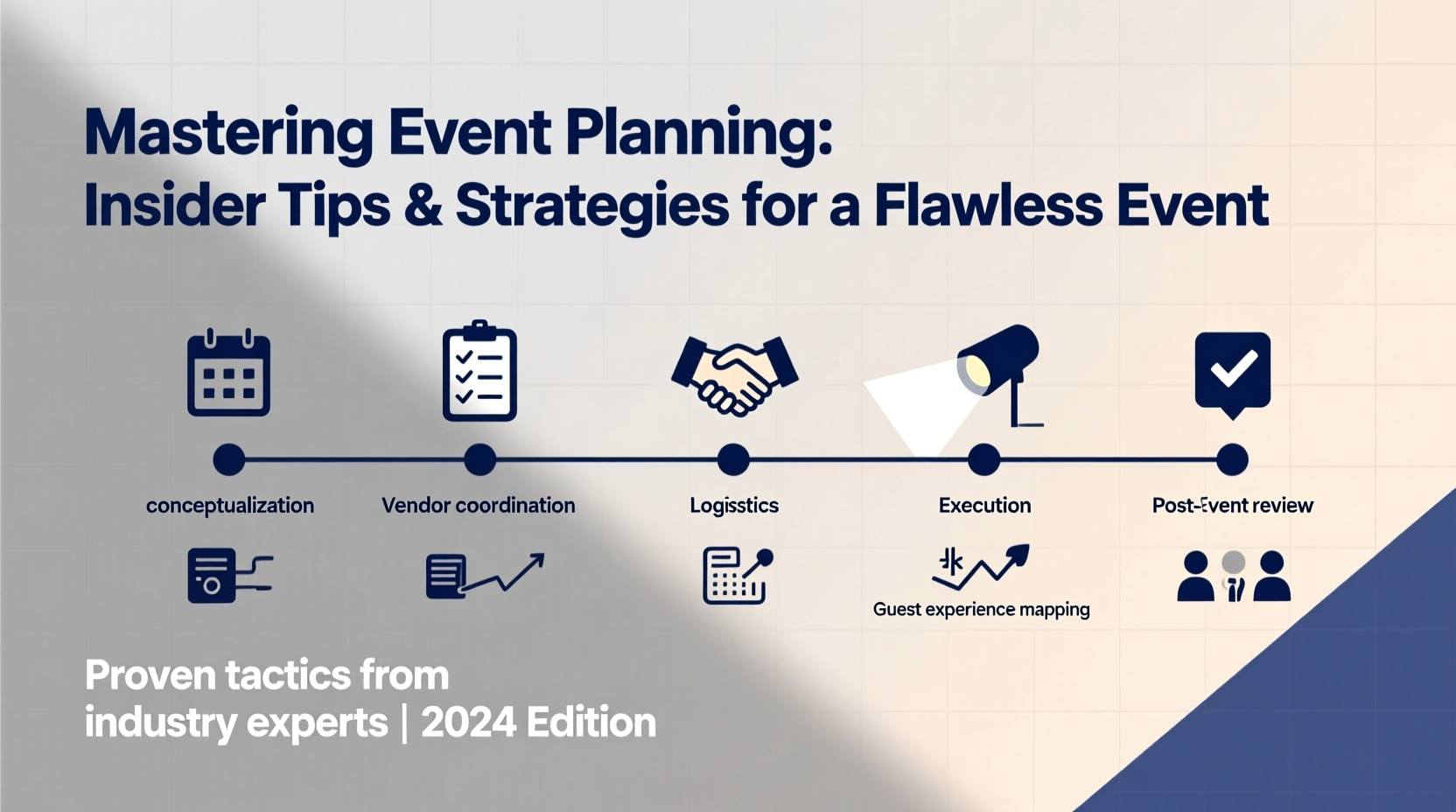
The foundation of any successful event begins with clarity. Before selecting venues or sending invitations, define the event’s purpose. Is it to generate leads? Celebrate a milestone? Educate attendees? Each objective shapes different aspects of planning—from format and location to messaging and engagement tactics.
Equally important is understanding your audience. Demographics, preferences, and expectations influence everything from seating arrangements to tech integration. For example, a Gen Z-focused music festival demands different logistics than a boardroom strategy session for senior executives.
Key Questions to Ask Early On:
- What outcome defines success for this event?
- Who are we trying to reach, and what motivates them?
- What message do we want attendees to remember?
- How will we measure engagement or ROI?
2. Build a Realistic Timeline and Budget
Time and money are finite resources in event planning. Without a structured timeline and well-allocated budget, even the most creative concepts can falter.
A detailed timeline breaks down tasks into manageable phases, ensuring nothing slips through the cracks. Begin with major milestones—booking venue, securing speakers, launching registration—and work backward to assign deadlines for smaller tasks.
“An event plan without a timeline is just a wish list.” — Lila Torres, Senior Event Producer at Nexus Events
Sample 90-Day Pre-Event Timeline
| Timeline | Key Actions |
|---|---|
| 90–60 Days Out | Finalize venue, book vendors, draft agenda, begin marketing |
| 60–30 Days Out | Confirm speakers, open registration, finalize catering, send invites |
| 30–14 Days Out | Confirm logistics, run tech checks, distribute staff roles |
| 14–7 Days Out | Send attendee reminders, confirm transportation, review run-of-show |
| 7–1 Day Out | Walk-through venue, pack materials, brief team |
| Event Day | Execute, monitor, adapt in real time |
| Day After | Send thank-you emails, collect feedback, reconcile budget |
Budgeting requires equal diligence. Allocate funds across key categories: venue, staffing, AV equipment, catering, marketing, permits, and contingencies. Always reserve 10–15% of your total budget for unexpected costs—a last-minute speaker cancellation, weather-related adjustments, or urgent tech repairs.
3. Select Vendors and Partners Strategically
Even the most experienced planners rely on a network of trusted vendors. The right caterer, photographer, or sound technician can elevate the experience; the wrong one can derail it.
When vetting vendors, look beyond price. Request references, review portfolios, and conduct site visits when possible. Contracts should clearly outline deliverables, timelines, cancellation policies, and liability coverage.
For large-scale events, consider partnering with sponsors or community organizations. These collaborations can offset costs, expand reach, and add credibility. However, ensure alignment in values and branding—misaligned partnerships can alienate your audience.
4. Design an Engaging Experience
A flawless event isn’t just logistically sound—it’s emotionally resonant. Attendees remember how they felt, not just what was said.
Start with flow: How will guests move through the space? Are there natural gathering areas? Is signage intuitive? Use floor plans early to test traffic patterns and eliminate bottlenecks.
Incorporate interactive elements to boost engagement. Instead of passive presentations, integrate live polls, Q&A sessions, networking breaks, or hands-on activities. For virtual or hybrid events, use breakout rooms and chat moderation to maintain connection.
Don’t underestimate sensory details. Lighting, music, scent, and even temperature influence mood. A warm, softly lit reception encourages conversation, while bright, energetic lighting suits a product launch.
Mini Case Study: Tech Conference Turnaround
A mid-sized tech company planned its annual user conference but saw declining attendance over three years. Feedback indicated sessions were too lecture-heavy and networking opportunities were disorganized.
The planning team redesigned the event around interactivity: they shortened keynote talks, added roundtable discussions, introduced a mobile app for scheduling meetups, and created themed lounges (e.g., “AI Corner,” “Startup Hub”). Attendance rose by 42%, and post-event surveys showed a 68% increase in perceived value.
The lesson: engagement isn’t a bonus—it’s central to success.
5. Prepare for the Unexpected: Risk Management
No matter how thorough your plan, surprises happen. A speaker falls ill. A storm delays deliveries. Wi-Fi crashes during a demo. Resilience lies in preparation.
Develop a risk management checklist that includes:
- Contact list of all key personnel and vendors (with backups)
- Emergency medical and evacuation procedures
- Backup internet and power sources
- Contingency plans for outdoor elements (tents, indoor alternatives)
- Insurance coverage for property, liability, and cancellations
Do’s and Don’ts of Risk Planning
| Do’s | Don’ts |
|---|---|
| Conduct a site safety inspection | Rely solely on verbal agreements with vendors |
| Test all tech systems 24 hours before go-time | Wait until event day to troubleshoot audiovisual needs |
| Assign clear roles for crisis response | Assume someone else will handle emergencies |
| Communicate backup plans to your team | Keep contingency plans only in your head |
Post-Event: Measure, Reflect, and Nurture Relationships
An event doesn’t end when the lights come on. The post-event phase is critical for learning and relationship-building.
Within 48 hours, send personalized thank-you messages to attendees, speakers, sponsors, and staff. Include a short survey asking about their experience—what worked, what didn’t, and what they’d like to see next time.
Analyze key metrics: attendance rate, session engagement, social media mentions, lead generation, or fundraising results. Compare these against your original goals to assess ROI.
Finally, archive all materials—contracts, floor plans, vendor contacts, photos—for future reference. Many planners reuse templates and lessons across events, saving time and improving consistency.
Frequently Asked Questions
How far in advance should I start planning an event?
For small events (50 people or fewer), begin 3–4 months ahead. Mid-sized events (100–500) require 6–9 months. Large conferences or festivals may need 12–18 months of lead time, especially if securing high-profile speakers or international guests.
What’s the biggest mistake first-time planners make?
Underestimating time and communication needs. Many focus on big-ticket items like venue and catering but overlook details such as parking access, dietary labels, or staff briefing schedules. Over-communicate with your team and document every decision.
How can I make a virtual event feel more engaging?
Incorporate live interaction: use polls, Q&A features, gamification (e.g., trivia with prizes), and breakout sessions. Encourage camera use where appropriate and keep presentations dynamic with visuals and storytelling.
Conclusion: Elevate Your Event Game
Mastering event planning is both an art and a science. It demands creativity, organization, emotional intelligence, and the humility to learn from each experience. By setting clear goals, building strong teams, anticipating risks, and focusing on attendee experience, you position yourself to deliver not just events—but moments that resonate.
Every successful event starts with a single decision: to plan with intention. Apply these strategies to your next project, refine them through practice, and watch your confidence—and results—grow.




 浙公网安备
33010002000092号
浙公网安备
33010002000092号 浙B2-20120091-4
Comments
No comments yet. Why don't you start the discussion?