
Fanny packs have made a strong comeback, not just as nostalgic fashion accessories but as practical solutions for hands-free convenience. Whether you're commuting, traveling, hiking, or simply running errands, a well-fitted fanny pack can make all the difference. But too often, people dismiss them because of discomfort, slippage, or awkward positioning. The truth is, most of these issues stem from improper adjustment of the waist strap. With a few simple tweaks, you can transform your fanny pack from a nuisance into a seamless extension of your daily routine.
The Importance of Proper Fit
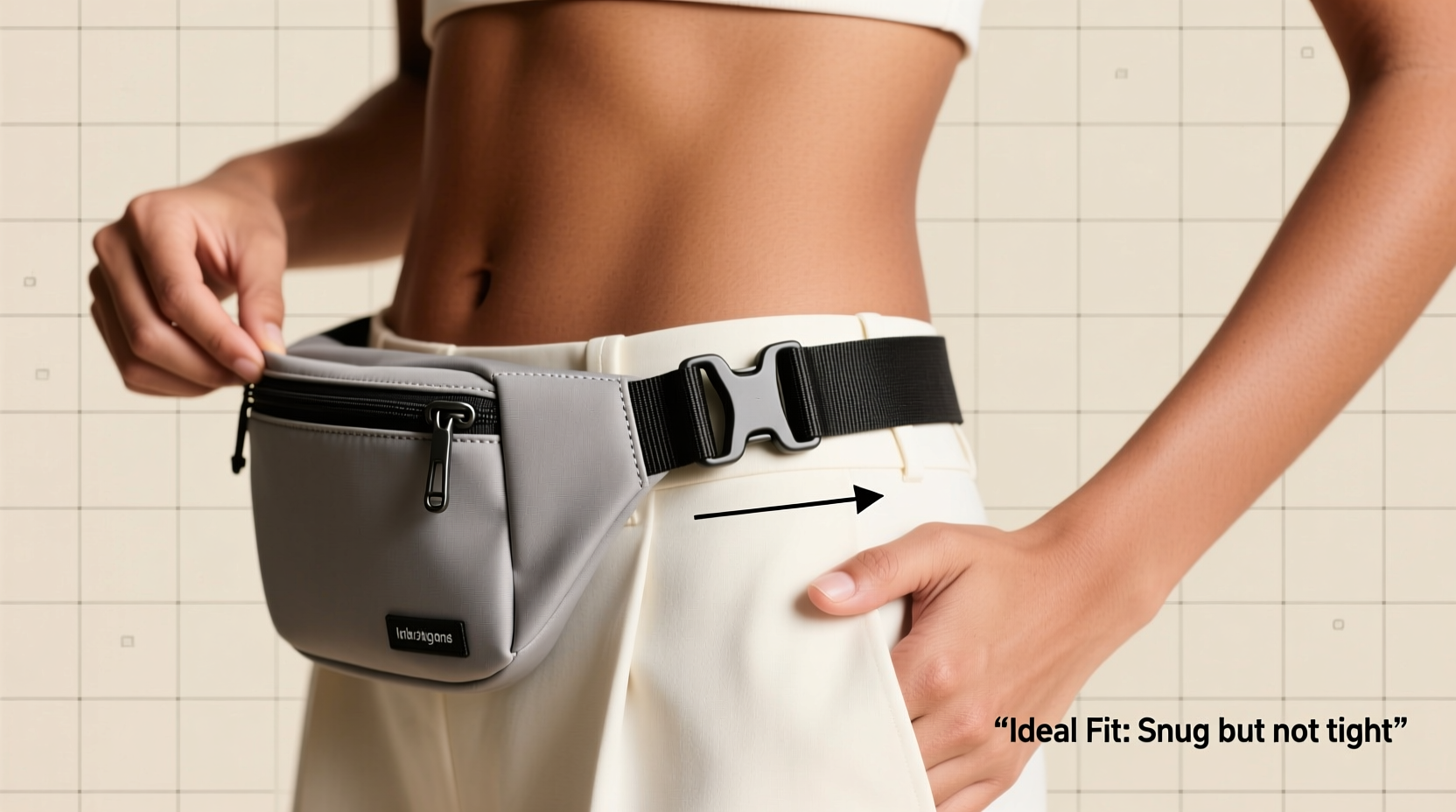
A poorly adjusted fanny pack doesn’t just look awkward—it can cause physical strain, reduce accessibility, and even lead to loss of items. When the strap is too loose, the pack shifts unpredictably with every movement. Too tight, and it digs into your hips or restricts breathing. The ideal fit keeps the pack stable, centered, and balanced without pressure points.
Proper fit also enhances security. A snug, correctly positioned fanny pack is harder for pickpockets to access unnoticed and less likely to swing open during activity. Comfort and security go hand in hand, and both begin with how you adjust the waist strap.
Step-by-Step Guide to Adjusting Your Waist Strap
Adjusting your fanny pack isn’t guesswork. Follow this logical sequence to achieve optimal comfort and stability.
- Choose the Right Position: Decide where you want the pack to sit—on the front, side, or back. Front placement offers quick access and visibility; back placement is better for larger loads or when you want minimal interference. Side carry blends accessibility with balance.
- Unbuckle and Loosen the Strap: Start with the buckle undone and the strap fully extended. This gives you room to work and prevents over-tightening.
- Position the Pack: Place the pack where you intend to wear it. For front or back carry, center it over your hips. For side carry, align it with your hip bone.
- Wrap and Fasten: Bring the strap around your waist or hips, depending on preference. Thread it through the buckle and gently pull until snug—but not tight.
- Check for Mobility: Walk, bend, and twist slightly. The pack should stay in place without riding up, sliding down, or shifting side to side.
- Trim Excess Strap: Tuck any extra length into the built-in keeper loops. Loose ends flap around and catch on objects.
- Reassess After 10 Minutes: Wear it briefly and readjust if needed. Body heat and movement can change how fabric settles.
When to Wear It High vs. Low
Waist height affects both function and comfort. Wearing the pack higher, near your natural waist (above the hip bones), works best for lighter loads and active use. It reduces bounce and keeps weight closer to your center of gravity.
Lower placement—directly on the hips—is better for heavier items or relaxed wear. It distributes weight across broader bone structure, reducing pressure on soft tissue.
| Fit Factor | High Waist Fit | Low Hip Fit |
|---|---|---|
| Best For | Running, cycling, walking | Travel, casual outings, heavy loads |
| Strap Tightness | Firm but flexible | Snug with slight give |
| Mobility Impact | Minimal restriction | Slight bulk at sides |
| Security Level | High (front carry) | Moderate (back carry) |
Common Fitting Mistakes and How to Avoid Them
- Over-tightening the strap: Causes discomfort, chafing, and restricted movement. If you leave red marks or feel pinching, it’s too tight.
- Ignoring body shape: Apple-shaped bodies may prefer lower hip placement; hourglass figures often find high waist fits more secure.
- Forgetting layering: If you’re wearing bulky clothing, adjust the strap looser initially, then tighten once dressed.
- Not repositioning mid-use: Shifts happen. Pause every hour or so to ensure the pack hasn’t migrated.
Real-World Example: Hiking with a Secure Fit
Jamie, an avid day-hiker in Colorado, used to avoid fanny packs because hers would slip constantly on trails. She carried essentials like sunscreen, snacks, and a small first-aid kit but found herself stopping every 20 minutes to readjust. After switching to a low-hip fit and using the step-by-step method above, she tightened the strap just enough to prevent bounce without restricting her stride. She also moved the pack slightly to her right side for easier access while keeping her water bottle in a backpack.
The result? She completed a 7-mile trail without a single adjustment. “It stayed put even on steep descents,” she said. “I finally get why people love these.”
Expert Insight on Ergonomic Design
“Most fanny pack discomfort comes from misalignment, not the product itself. A properly adjusted strap aligns the pack’s center of gravity with the wearer’s pelvis—this minimizes strain and maximizes control.” — Dr. Lena Torres, Biomechanics Specialist at Urban Mobility Lab
Quick Checklist for Perfect Fit
Before heading out, run through this checklist to ensure your fanny pack is set up right:
- ✅ Buckle securely fastened and double-checked
- ✅ Strap snug but allows two fingers underneath
- ✅ Pack centered or intentionally offset for access
- ✅ No excess strap flapping freely
- ✅ Contents evenly distributed (avoid lopsided weight)
- ✅ Tested with movement: walking, bending, reaching
- ✅ Positioned according to activity (high for motion, low for load)
Frequently Asked Questions
Can I wear a fanny pack over clothing in winter?
Yes, but adjust the strap over your outermost layer. Wearing it underneath can cause overheating and restrict access. If worn over a coat, opt for a slightly longer strap and consider a chest strap add-on for stability.
Why does my fanny pack keep rotating to the side?
This usually means the strap is too loose or the pack is unbalanced. Tighten the strap incrementally and redistribute contents so weight is centered. Also, check that the buckle isn’t twisted when fastened.
Is it okay to wear a fanny pack at the front?
Absolutely. Front carry is one of the most secure and functional positions, especially in crowds or while traveling. It keeps your belongings visible and within reach, reducing theft risk and fumbling.
Final Thoughts: Comfort Is Custom
There’s no universal “correct” way to wear a fanny pack—only what works best for your body, lifestyle, and needs. The key is thoughtful adjustment. Taking two minutes to fine-tune your waist strap can save you hours of discomfort and inconvenience. Once you master the fit, you’ll wonder how you ever managed without one.




 浙公网安备
33010002000092号
浙公网安备
33010002000092号 浙B2-20120091-4
Comments
No comments yet. Why don't you start the discussion?