
Fresh garlic is one of the most transformative ingredients in the kitchen. Its pungent aroma and deep, complex flavor elevate everything from simple sautés to slow-simmered stews. Yet, despite its ubiquity, many home cooks underutilize or mishandle garlic—either burning it, using too little, or avoiding it due to the hassle of peeling and prepping. True mastery of garlic goes beyond simply tossing a clove into a pan. It involves understanding how to select, store, prepare, and cook with garlic to extract maximum flavor while minimizing effort.
With the right techniques, garlic becomes not just a background note but a cornerstone of culinary excellence. From unlocking its medicinal compounds to mastering timing and heat control, these expert-backed strategies will transform how you use garlic in everyday cooking.
Choosing the Right Garlic: Freshness Matters
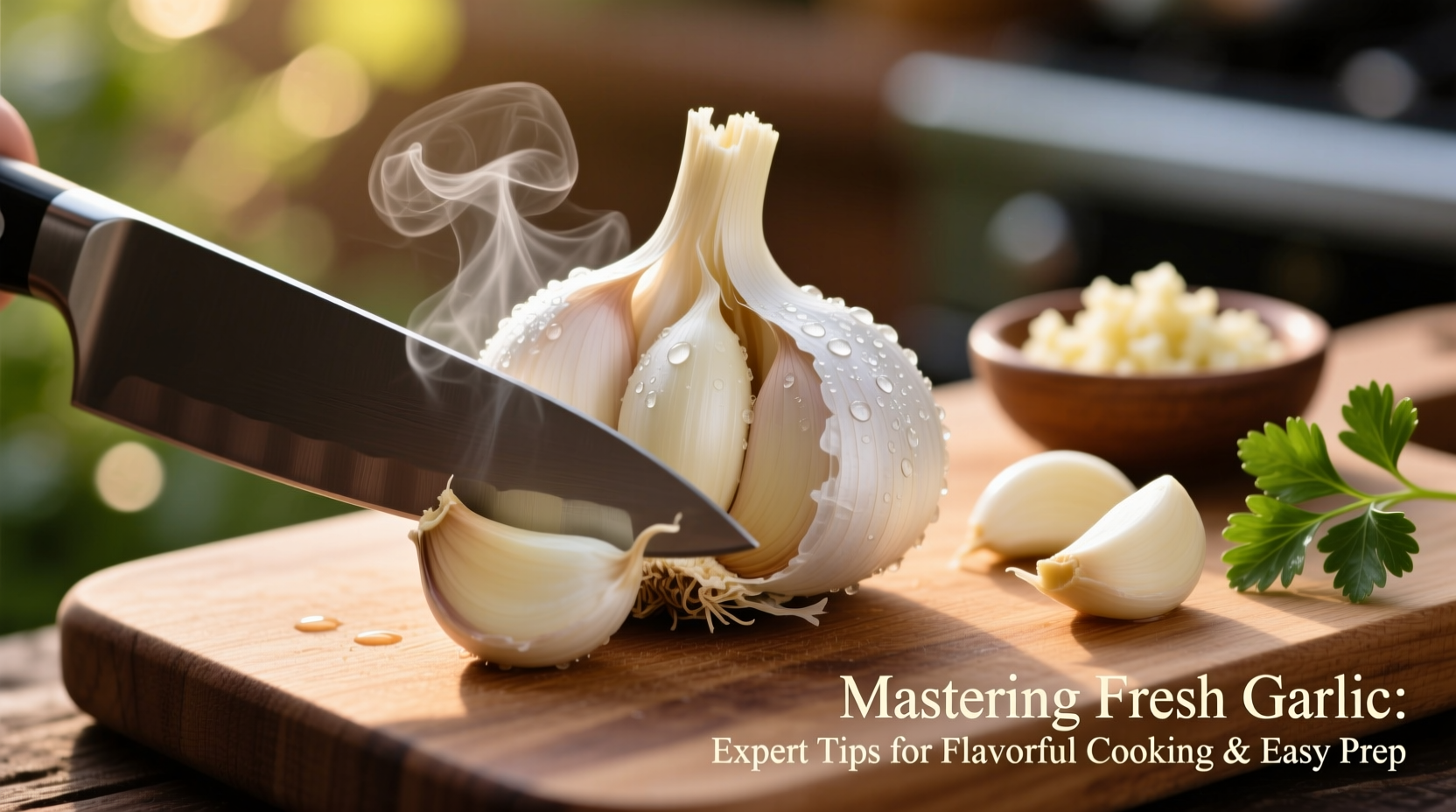
The foundation of great garlic flavor begins at the market. Not all bulbs are created equal. A firm, plump bulb with tight, papery skin indicates freshness and potency. Avoid bulbs that feel soft, have brown spots, or show signs of sprouting—these are signs of age and diminished flavor.
There are several varieties available, each with subtle differences:
- Silverskin: The most common type found in supermarkets. It has a strong, sharp bite and stores well for months.
- Purple Stripe: More aromatic and slightly sweeter, often used by gourmet chefs. Best when used within a few weeks.
- Elephant Garlic: Milder in flavor and much larger in size. Technically a leek relative, but useful when a gentle garlic presence is desired.
Optimal Storage Techniques for Longevity
Improper storage is the leading cause of wasted garlic. Refrigeration encourages sprouting and mold, especially if cloves are peeled or exposed to moisture. Instead, keep whole bulbs in a cool, dark, and well-ventilated space—like a pantry or ceramic garlic keeper.
Airflow is crucial. Trapped humidity leads to spoilage. Never store garlic in sealed plastic bags or airtight containers unless it’s already minced and preserved in oil (and even then, refrigeration and short shelf life apply).
| Storage Method | Lifespan | Best For |
|---|---|---|
| Whole bulb, room temperature, ventilated | 3–5 months | Dry, unpeeled cloves |
| Peeled cloves, refrigerated | 7–10 days | Prepped garlic for near-term use |
| Minced garlic in oil, refrigerated | 3–4 days | Immediate cooking needs |
| Freezing whole cloves | 6–12 months | Long-term backup supply |
“Garlic stored properly doesn’t just last longer—it retains more of its allicin, the compound responsible for both flavor and health benefits.” — Chef Rafael Mendez, Culinary Instructor & Fermentation Specialist
Effortless Peeling and Preparation Hacks
Peeling garlic shouldn’t be a chore. The traditional method—flattening a clove with the side of a knife and removing the skin—is effective, but there are faster alternatives, especially when dealing with multiple cloves.
Step-by-Step Guide to Quick Garlic Prep
- Break off the number of cloves needed from the bulb.
- Place cloves in a sturdy glass or metal bowl.
- Cover with a second bowl of the same size, creating a sealed chamber.
- Shake vigorously for 10–15 seconds. The friction loosens skins instantly.
- Remove peeled cloves and discard skins.
This method works best with dry, room-temperature garlic. For even faster results, some chefs swear by microwaving cloves for 10 seconds to loosen the skin—though care must be taken not to start cooking them.
Maximizing Flavor Through Cooking Techniques
How you cook garlic determines its final taste. Heat transforms its chemistry dramatically:
- Raw: Sharp, spicy, and antimicrobial. Ideal for dressings, salsas, and aiolis.
- Lightly Sautéed: Sweet, nutty, and aromatic. Achieved by cooking in oil over medium-low heat for 1–2 minutes.
- Browned or Roasted: Deep umami richness. Roasting whole bulbs caramelizes natural sugars, yielding a spreadable, mellow paste.
- Burnt: Bitter and acrid. Garlic scorches quickly—never leave it unattended in hot oil.
For layered flavor, consider adding garlic at different stages. Start with a smashed clove in oil to infuse the base, then finish with freshly minced garlic in the last minute of cooking.
Mini Case Study: Elevating a Weeknight Pasta
Home cook Maria from Portland struggled with flat-tasting garlic pasta. She was adding minced garlic all at once to boiling oil, which often burned. After learning to stagger her garlic addition—first a whole clove to warm the oil, removed before browning, then fresh mince added in the last 60 seconds—her dish transformed. The result was fragrant, balanced, and restaurant-quality without extra ingredients. This small timing adjustment made all the difference.
Common Mistakes and How to Avoid Them
Even experienced cooks make errors with garlic. Here’s what to watch for:
| Mistake | Consequence | Fix |
|---|---|---|
| Adding garlic to a hot pan too early | Burns, becomes bitter | Add after onions or after oil has cooled slightly |
| Using pre-minced jarred garlic exclusively | Flat, metallic taste; lacks freshness | Use fresh when possible; reserve jarred for convenience only |
| Not adjusting quantity based on variety | Overpowering or weak flavor | Taste as you go; elephant garlic requires more volume |
| Storing chopped garlic at room temperature | Risk of botulism in oil | Refrigerate immediately and use within 3 days |
FAQ: Your Garlic Questions Answered
Can I eat raw garlic every day?
Yes, in moderation. Raw garlic contains high levels of allicin, which has immune-boosting and antimicrobial properties. However, excessive consumption may cause digestive upset or interact with blood-thinning medications. One clove per day is generally considered safe for most people.
Why does my garlic turn green when I cook it?
This harmless reaction occurs when garlic’s sulfur compounds interact with acidity or certain metals (like aluminum or iron). It’s common in pickled garlic or when cooked with wine or vinegar. The color change doesn’t affect safety or flavor.
Is roasted garlic as healthy as raw?
Roasting reduces allicin content, but it increases other antioxidants. While raw garlic offers more immediate antimicrobial benefits, roasted garlic still contributes anti-inflammatory and heart-healthy compounds. Both forms have value in a balanced diet.
Essential Garlic Checklist for Every Home Cook
- ✅ Buy firm, heavy bulbs with tight skin
- ✅ Store whole bulbs in a cool, dark, ventilated place
- ✅ Use the shake-in-a-bowl method for fast peeling
- ✅ Add garlic late in sautéing to prevent burning
- ✅ Roast entire bulbs for spreads and sauces
- ✅ Freeze extra cloves for long-term backup
- ✅ Taste as you go—garlic intensity varies by season and variety
Conclusion: Elevate Your Cooking One Clove at a Time
Mastering fresh garlic isn’t about complexity—it’s about attention to detail. From selecting the freshest bulbs to timing your additions with precision, each step amplifies flavor and efficiency in the kitchen. These techniques aren’t reserved for professionals; they’re accessible, practical, and immediately applicable to everyday meals.
Whether you're making a quick stir-fry or crafting a slow-simmered sauce, let garlic play its rightful role—not as an afterthought, but as a deliberate, powerful ingredient. With these expert tips, you’re equipped to use garlic more confidently, creatively, and effectively than ever before.




 浙公网安备
33010002000092号
浙公网安备
33010002000092号 浙B2-20120091-4
Comments
No comments yet. Why don't you start the discussion?