
Proper tire pressure is one of the most overlooked yet critical aspects of vehicle maintenance. Underinflated or overinflated tires can reduce fuel efficiency, compromise handling, increase wear, and even lead to blowouts. While many drivers know they should check their tire pressure regularly, few feel confident using the air pumps available at gas stations. These public compressors are accessible and usually free, but without knowing how to use them correctly, you risk inaccurate inflation or damage to your valve stems. This guide breaks down the entire process into clear, actionable steps so you can confidently maintain optimal tire pressure wherever you are.
Why Correct Tire Pressure Matters
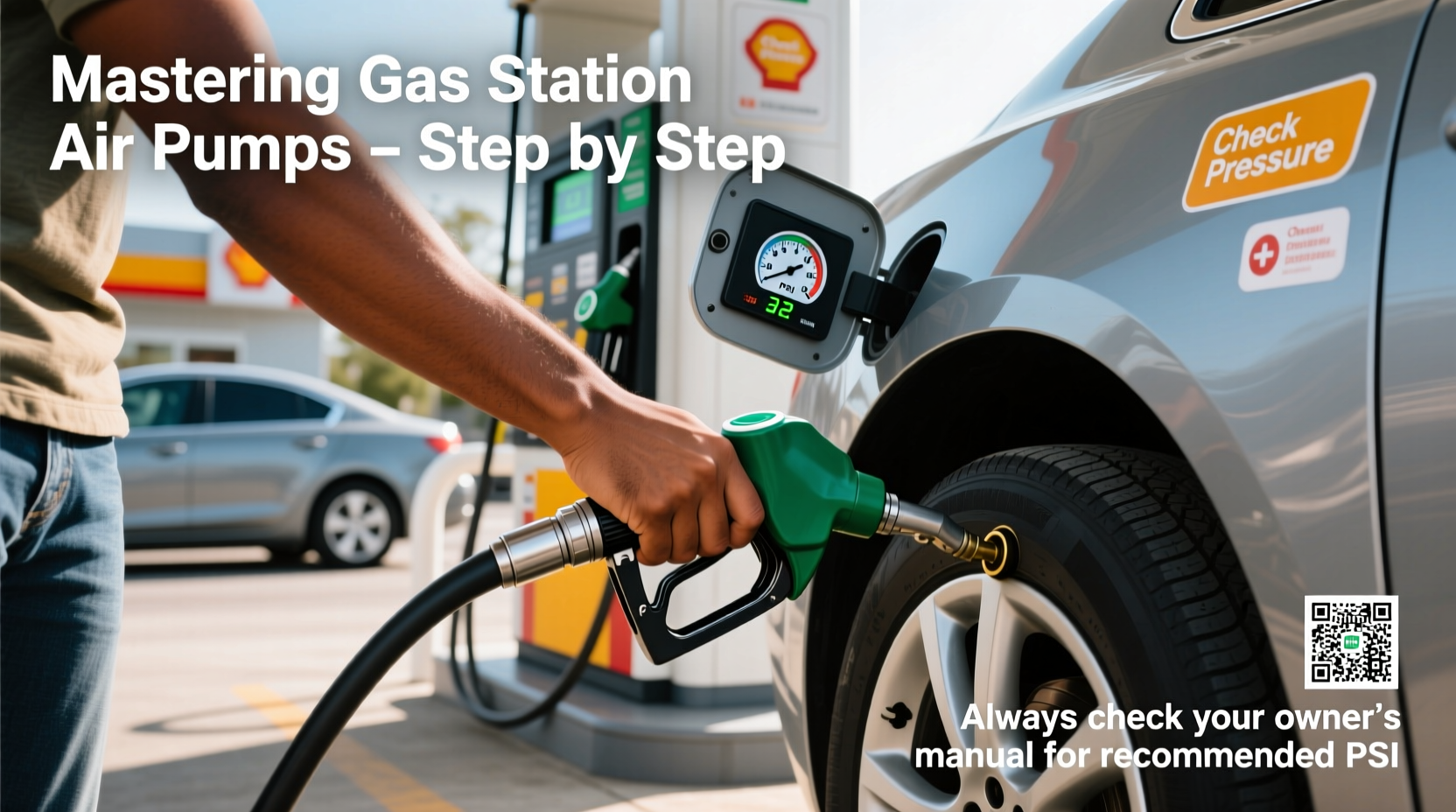
Tire pressure directly affects how your car handles, brakes, and consumes fuel. The U.S. Department of Energy estimates that underinflated tires can lower gas mileage by 0.2% for every 1 psi drop in pressure across all four tires. Over time, that adds up at the pump. Beyond efficiency, improper inflation leads to uneven tread wear—meaning you’ll need new tires sooner than expected.
Safety is another major concern. Tires inflated below the recommended level generate excess heat due to increased flexing, which raises the risk of a sudden failure, especially during highway driving. Conversely, overinflation reduces the tire’s contact patch with the road, diminishing traction and making the ride harsher and less stable.
“Maintaining proper tire pressure isn’t just about performance—it’s a fundamental safety practice.” — National Highway Traffic Safety Administration (NHTSA)
Step-by-Step Guide to Using Gas Station Air Pumps
Using a gas station air pump doesn’t require special tools or expertise, but it does demand attention to detail. Follow this sequence to ensure accurate and safe inflation.
- Check Your Vehicle’s Recommended PSI
Before approaching the air pump, locate the correct tire pressure for your vehicle. This information is typically found on a sticker inside the driver’s side door jamb, in the glove compartment, or within the owner’s manual. Do not rely on the number printed on the tire sidewall—that’s the maximum pressure, not the recommended one. - Park Close to the Air Compressor
Pull your vehicle as close as possible to the air pump unit. Most hoses are only 15–20 feet long, so positioning matters. Turn off the engine and engage the parking brake for safety. - Inspect Current Tire Pressure
Remove the valve cap from the first tire and press a tire pressure gauge firmly onto the valve stem. Hold it steady until the reading stabilizes. Note the current pressure. Repeat for each tire if needed, though you can service one at a time. - Connect the Hose and Inflate
Turn on the air compressor (some activate automatically when you remove the hose; others require inserting coins or pressing a button). Attach the hose nozzle securely to the valve stem. You’ll hear air flowing. Inflate in short bursts—3–5 seconds at a time—then recheck with your gauge. This prevents overshooting the target pressure. - Monitor Progress and Adjust
Continue adding air incrementally, checking frequently. If you exceed the recommended PSI, press the small pin in the center of the valve stem briefly to release air. Recheck with your gauge until the pressure matches the recommended value. - Replace Valve Caps and Repeat
Once properly inflated, screw the valve cap back on tightly. It may seem trivial, but the cap helps keep dirt and moisture out of the valve mechanism. Move to the next tire and repeat the process.
Common Mistakes and How to Avoid Them
Even experienced drivers make errors when using public air pumps. Awareness of these pitfalls can save time, money, and prevent unsafe conditions.
| Mistake | Why It’s a Problem | How to Avoid It |
|---|---|---|
| Using the tire sidewall PSI as reference | The sidewall shows maximum pressure, not ideal operating pressure | Always refer to the vehicle manufacturer’s recommendation on the door jamb |
| Inflating cold tires after driving | Heat expands air, giving false high readings | Check and adjust pressure when tires are cold—before driving or after sitting 3+ hours |
| Not rechecking with a personal gauge | Station gauges can be off by 3–5 psi | Use your own calibrated gauge for accuracy |
| Over-tightening the valve cap | Can strip threads or damage the seal | Hand-tighten only—no tools needed |
Real Example: A Preventable Flat Tire
Consider Mark, a commuter in Denver who noticed his car pulling slightly to the right. He assumed it was alignment, but a quick tire check revealed the front left tire was 8 psi below the recommended 32 psi. He used a gas station pump to refill it but trusted the machine’s display without verifying with his own gauge. Two weeks later, the same tire blew out on the highway. An inspection showed chronic underinflation had weakened the sidewall. Had he double-checked the pressure with an accurate gauge and maintained consistent monitoring, the failure could have been avoided.
This scenario underscores two key points: relying solely on public equipment without verification is risky, and minor pressure issues compound quickly into serious hazards.
Essential Checklist Before You Pump
- ✅ Locate your vehicle’s recommended PSI (driver’s door sticker)
- ✅ Bring your own tire pressure gauge
- ✅ Park close enough for the hose to reach all tires
- ✅ Ensure tires are cold (haven’t been driven in 3+ hours)
- ✅ Check current pressure before adding air
- ✅ Use short bursts of air and recheck frequently
- ✅ Replace valve caps securely after finishing
Frequently Asked Questions
How often should I check my tire pressure?
Tire pressure should be checked at least once a month and before long trips. Temperature changes—even seasonal shifts—can alter pressure by 1–2 psi per 10°F change, so it’s wise to inspect more frequently in spring and fall.
Do TPMS systems eliminate the need for manual checks?
No. While Tire Pressure Monitoring Systems (TPMS) alert you when pressure drops significantly (usually 25% below recommended), they don’t catch gradual loss or overinflation. They also require calibration and can fail. Manual checks remain essential for precision.
What if the air pump shuts off automatically?
Some newer units allow you to preset the desired PSI. If yours has this feature, enter the correct value and let it run. However, always verify the final pressure with your own gauge. Automated settings can malfunction or misread due to hose resistance or sensor lag.
Final Thoughts and Action Steps
Mastering the gas station air pump is a small skill with outsized benefits. It enhances safety, extends tire life, improves fuel economy, and gives you greater control over your vehicle’s condition. The process takes only minutes but pays dividends in reliability and peace of mind. Don’t wait for a dashboard warning light—be proactive.




 浙公网安备
33010002000092号
浙公网安备
33010002000092号 浙B2-20120091-4
Comments
No comments yet. Why don't you start the discussion?