
Selecting the right handbag is about more than just shape or brand—it’s a statement of personal style, utility, and harmony with your everyday wardrobe. While design and size matter, color plays a pivotal role in how seamlessly a bag integrates into your life. The wrong shade can clash with your clothing, fade into the background, or limit versatility. The right one elevates every outfit, transitions across seasons, and becomes a signature piece. Understanding how to choose the ideal handbag color requires awareness of your existing wardrobe, skin tone, lifestyle demands, and long-term fashion goals.
The Psychology and Power of Handbag Color
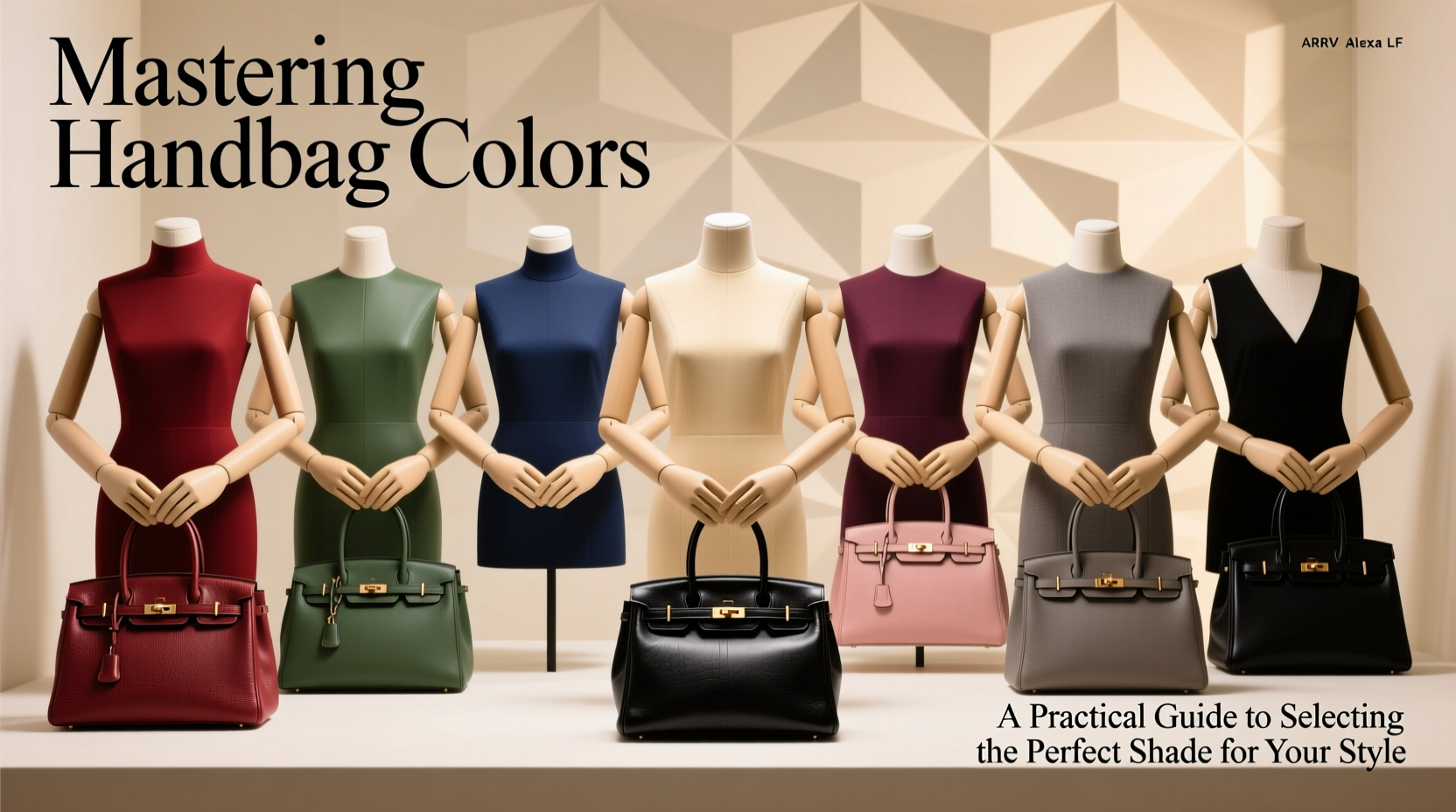
Color influences perception—both your own and others’. A bold red bag commands attention and signals confidence. A soft beige whispers elegance and timelessness. Each hue carries emotional weight and cultural associations. Black conveys sophistication and practicality; white suggests freshness but demands high maintenance; navy offers professional polish without the formality of black.
Fashion psychologist Dr. Lena Hart explains:
“The accessories we carry often reflect subconscious choices about identity and mood. A vibrant handbag can be an act of self-expression, while a neutral tone may signal a desire for control and balance.”
When selecting a handbag color, consider not only aesthetics but also intention. Are you aiming for understated refinement? Go for taupe or slate gray. Seeking to stand out at social events? Try emerald green or cobalt blue. The key is aligning color choice with both personality and purpose.
Building a Strategic Handbag Color Wardrobe
Think of your handbag collection like a capsule wardrobe—each piece should serve a specific function and maximize mix-and-match potential. Start with foundational neutrals before expanding into expressive tones.
- Invest in one true neutral: Black, tan, or dark brown. These anchor your collection and pair effortlessly with 80% of your outfits.
- Add a secondary neutral: Charcoal, navy, or cream. This provides tonal variation while maintaining versatility.
- Introduce a seasonal pop: A single vibrant or pastel bag per season keeps your look fresh without overwhelming coordination.
- Consider texture as color extension: A crocodile-embossed black bag reads differently than patent leather. Texture affects how light interacts with color.
A well-curated set ensures you’re never without an appropriate option—whether heading to the office, a weekend brunch, or a formal event.
Neutral vs. Statement: When to Choose What
Neutrals dominate functional wardrobes because they offer unmatched flexibility. However, statement colors bring energy and individuality. Use this decision framework:
| Scenario | Best Color Choice | Rationale |
|---|---|---|
| Daily work bag | Navy, taupe, black | Professional, stain-resistant, pairs with business attire |
| Weekend tote | Olive green, rust, camel | Warm earth tones suit casual fabrics and outdoor settings |
| Cocktail clutch | Metallic gold, deep plum, ruby red | Draws attention, enhances evening glamour |
| Summer crossbody | Coral, sky blue, ivory | Reflects seasonal brightness and lighter clothing |
| Travel backpack | Dark gray or burgundy | Hides wear, resists dirt, stands out slightly on conveyors |
Matching Handbag Color to Skin Tone and Hair
Your natural coloring significantly impacts how certain handbag shades appear when carried. Wearing a bag close to your body means its color interacts directly with your skin tone.
- Warm undertones (golden, peachy, or olive skin): Look best with cognac, mustard, terracotta, and warm browns. Avoid icy pastels that can wash you out.
- Cool undertones (pink, red, or bluish base): Shine with jewel tones like sapphire, magenta, and cool grays. Steer clear of orange-leaning shades.
- Neutral undertones: Lucky enough to pull off both warm and cool palettes. Experiment freely with lavender, teal, or camel.
Hair color also plays a subtle role. Platinum blondes or silver-haired individuals often create striking contrast with deep eggplant or black bags. Those with rich brunette or black hair can carry off saturated hues like cherry red or forest green with dramatic effect.
Seasonal Considerations for Handbag Colors
Just as wardrobes shift with the calendar, so too can handbag selections. Aligning bag colors with seasonal palettes ensures cohesion and relevance.
In spring, soft hues like blush pink, mint, and butter yellow echo blooming flora. Summer calls for crisp whites, aqua, and bright citrus shades that resist visual heaviness in heat. Fall welcomes deeper naturals—rust, chocolate, olive—mirroring changing leaves. Winter leans into drama: charcoal, wine, and metallics reflect festive lighting and darker clothing.
That said, avoid discarding a favorite bag each season. Instead, rotate based on frequency of use. A white bag might live in storage during winter months but take center stage in June. Rotate two primary bags seasonally while keeping one all-year neutral in constant rotation.
Real-Life Example: Maya’s Capsule Bag Collection
Maya, a graphic designer in Portland, once owned nine handbags but rarely felt “dressed.” After auditing her closet, she streamlined to four core pieces:
- A structured black leather tote (workhorse for client meetings)
- A medium taupe satchel (daily errands and school drop-offs)
- A cobalt blue crossbody (weekend outings and creative events)
- A champagne metallic clutch (evening wear)
Within three months, she reported dressing faster, spending less on impulse buys, and receiving more compliments. “I stopped chasing trends,” she said, “and started building around what actually works.” Her cobalt bag, initially feared as “too bold,” became her most photographed accessory—proof that strategic color risk-taking pays off.
Step-by-Step Guide to Choosing Your Next Handbag Color
Follow this five-step process before making a purchase:
- Assess your current wardrobe palette: Pull out your five most-worn outfits. Note dominant colors and neutrals. Is your world mostly black and gray? Then a warm camel bag adds contrast. Mostly floral prints? A solid navy balances the chaos.
- Evaluate your lifestyle needs: Do you commute daily? Opt for scuff-resistant dark shades. Attend frequent events? A metallic or jewel tone makes sense.
- Test under real conditions: View the bag in store lighting, then outside. Does the color shift dramatically? Some leathers appear purple indoors but read as black in sunlight.
- Check long-term appeal: Ask: Will I want this color in 18 months? Trends fade. Classic shades endure.
- Verify care requirements: Light-colored bags require more upkeep. Be honest about your willingness to clean and protect.
Handbag Color Care and Longevity Tips
A handbag’s color stays vibrant only with proper maintenance. Exposure to sunlight, moisture, and friction causes fading and discoloration.
“Consistent care and proper storage can double a bag’s lifespan.” — Emma Clarke, Fashion Care Expert
Leather conditioners preserve dye integrity. Dust bags prevent surface scratches. Never leave a colored bag in a hot car—heat accelerates pigment breakdown. For non-leather materials like canvas or nylon, spot clean promptly to avoid stains setting in.
Do’s and Don’ts of Handbag Color Maintenance
| Do’s | Don’ts |
|---|---|
| Store in breathable dust bags | Leave in direct sunlight |
| Condition leather every 3–6 months | Use household cleaners on delicate finishes |
| Rotate usage to reduce wear | Overstuff bags, distorting shape and stress seams |
| Use color-specific protectant sprays | Ignore manufacturer care labels |
Frequently Asked Questions
Should my handbag match my shoes exactly?
Exact matching is no longer a strict rule. Coordinating is better. A chestnut bag doesn’t need chestnut shoes—pairing with cognac, taupe, or even dark olive creates a more modern, layered look. Focus on tonal harmony rather than precision.
Is white a practical handbag color?
White offers a fresh, editorial aesthetic but demands vigilance. It shows every smudge and yellows over time if exposed to UV light. Best reserved for occasional use—like summer weddings or photo shoots—unless you’re committed to frequent cleaning.
Can I wear multiple colors at once?
Yes, but follow the 80/20 rule: Let one color dominate (your outfit), and the other (your bag) accent it. Pairing a fuchsia bag with a turquoise dress risks visual competition. Instead, pair fuchsia with navy or gray for balance.
Final Thoughts: Make Color Work for You
Mastering handbag colors isn’t about following rigid rules—it’s about developing intuition. Begin with versatile foundations, then layer in personality. Pay attention to how different shades make you feel and how others respond. Over time, you’ll develop a nuanced understanding of which colors support your image and which ones distract from it.
Remember, the perfect handbag color doesn’t just match your clothes—it matches your life. Whether you gravitate toward timeless neutrals or fearless brights, let each choice be intentional. Build a collection that reflects growth, taste, and authenticity.




 浙公网安备
33010002000092号
浙公网安备
33010002000092号 浙B2-20120091-4
Comments
No comments yet. Why don't you start the discussion?