
Attending a formal event is more than just wearing an exquisite gown or tailored suit—it’s about curating a complete aesthetic that exudes grace, confidence, and attention to detail. Among the most overlooked yet impactful accessories is the handheld bag. When chosen and styled correctly, it becomes a seamless extension of your ensemble, enhancing your posture, balancing proportions, and adding a touch of refinement. Yet, many still treat it as an afterthought, leading to mismatched tones, awkward handling, or missed opportunities for elegance.
This guide dives into the nuanced art of handheld bag styling for formal occasions. From selecting the right size and material to coordinating with jewelry and mastering carrying techniques, every decision contributes to a polished final impression. Whether you’re attending a black-tie gala, a wedding reception, or a high-society soirée, these insights will help you elevate your presence with intentionality and style.
The Role of the Handheld Bag in Formal Elegance
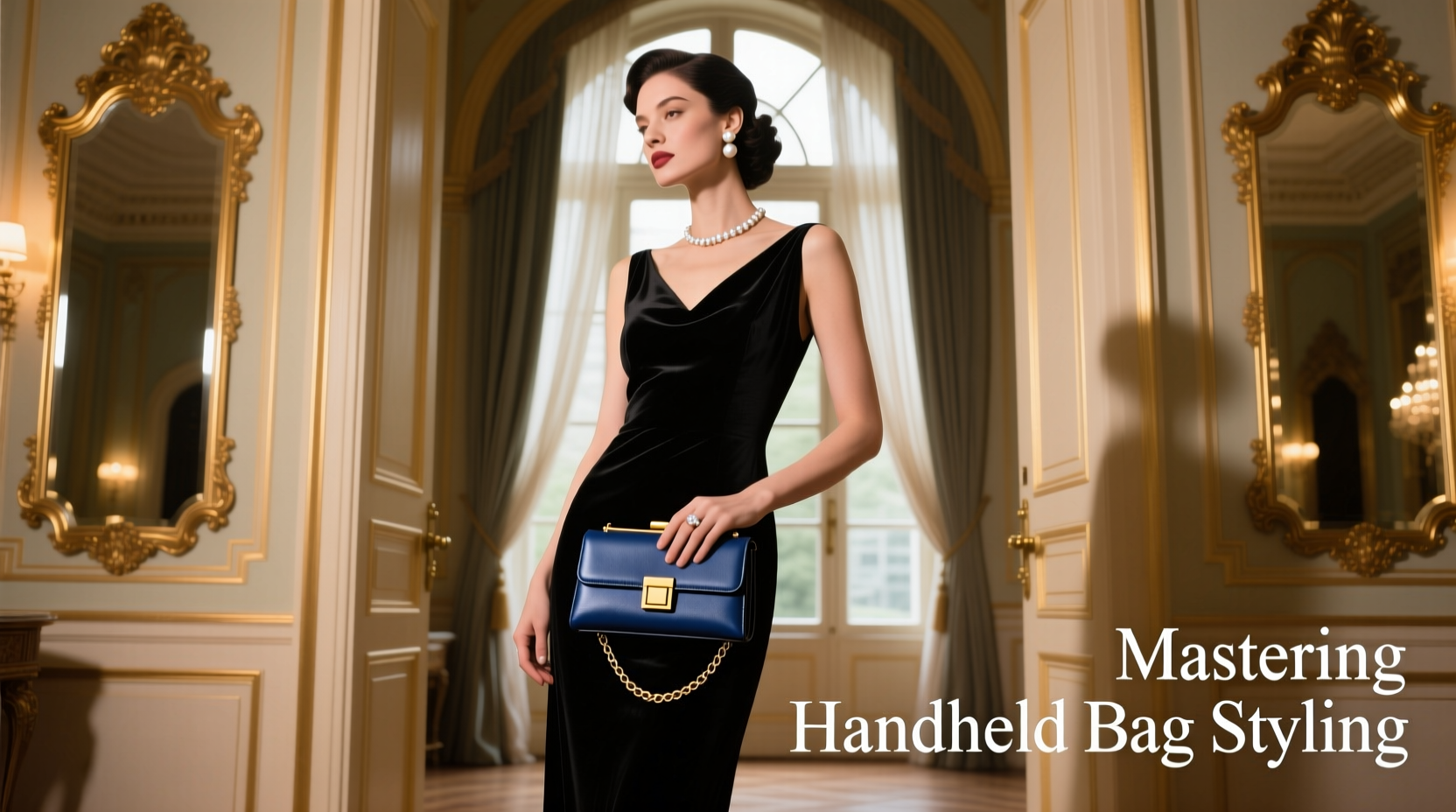
In formal settings, practicality takes a backseat to poise. Unlike everyday totes or crossbodies designed for utility, handheld bags serve both function and fashion. Their compact design encourages minimalism—carrying only essentials like lipstick, phone, and keys—while their presentation speaks volumes about personal taste.
The way you hold a clutch or minaudière can subtly influence how you carry yourself. A properly gripped bag promotes upright posture and graceful hand positioning. Conversely, fumbling with a poorly sized or ill-matched accessory can disrupt even the most impeccably tailored outfit.
“Accessories are punctuation marks in fashion—they clarify, emphasize, and complete a statement.” — Iris Apfel, Iconic Style Influencer
Understanding this role allows you to approach bag selection not as a logistical necessity, but as a deliberate act of self-expression within the context of formal decorum.
Selecting the Right Bag: Size, Shape & Material
The foundation of elegant bag styling lies in choosing the correct form. Consider these three elements when making your selection:
- Size: Opt for compact designs that fit essentials without bulk. A bag too large overwhelms delicate silhouettes; one too small may appear impractical or disproportionate.
- Shape: Structured rectangular clutches offer timeless sophistication. Rounded or fan-shaped styles add softness and vintage charm. Geometric or sculptural designs make bold statements suitable for modern galas.
- Material: Satin, velvet, and metallic finishes align well with evening wear. Embellished options—beaded, crystal-studded, or mirrored—add glamour but should complement, not compete with, your attire.
Do’s and Don’ts of Formal Bag Selection
| Do | Don't |
|---|---|
| Choose a bag that echoes a color or texture from your outfit | Pick a bag in a clashing hue or overwhelming pattern |
| Select hardware (if any) that matches your jewelry tone | Mix gold and silver hardware unless intentionally curated |
| Ensure the bag comfortably fits your phone and essentials | Bring a bag so small it forces you to leave critical items behind |
| Opt for lightweight materials to avoid hand fatigue | Carry heavy embellishments for extended periods without relief |
Coordination with Outfit & Jewelry
A handheld bag should harmonize with your entire look—not stand apart from it. The key is cohesion without monotony.
If wearing a monochromatic dress, introduce subtle contrast through your bag. A deep navy gown pairs beautifully with a sapphire beaded clutch, while a champagne dress gains dimension with a rose-gold metallic minaudière. For patterned gowns, pull out a secondary shade rather than matching the dominant color.
Jewelry coordination is equally vital. A gold-framed bag calls for warm-toned metals in earrings or bracelets. Avoid visual clutter by limiting standout pieces—let either the bag or necklace take center stage.
Real Example: The Diplomatic Gala Look
Consider Elena, a guest at a diplomatic reception in Vienna. She wore a floor-length emerald silk gown with thin straps and a modest cowl neck. Her accessories were restrained: small diamond studs and delicate gold bangles. For her bag, she chose a petite rectangular clutch in antique gold with a subtle floral engraving. The warm metal echoed her jewelry, while the green lining inside provided a whisper of tonal continuity with her dress. Held at the base with two fingers, the bag completed her silhouette without drawing undue attention—yet garnered compliments for its thoughtful integration.
How to Carry Your Bag with Grace
Even the most exquisite clutch loses impact if handled awkwardly. Mastery lies in how you present it throughout the evening.
- At Rest: Place the bag on your lap during seated moments. Align it vertically along your leg for discretion, or lay it flat if space allows.
- Walking: Hold the bag lightly at the center or top edge using your thumb and forefinger. Keep your elbow slightly bent, wrist relaxed—never clenched or dangling stiffly.
- Dancing or Dining: Set it aside thoughtfully. Use a designated clutch hook if available, or place it face-down on an empty chair nearby.
- Photos: Position the bag low near your hip or let it rest gently against your forearm for natural-looking shots.
Step-by-Step Guide: Preparing Your Bag for a Formal Event
Follow this sequence in the hours leading up to your event to ensure flawless execution:
- 48 Hours Before: Clean and condition leather or fabric surfaces. Check for loose threads or damaged closures.
- 24 Hours Before: Lay out your full ensemble including shoes, jewelry, and bag. Assess color balance and proportion.
- 6 Hours Before: Pack essentials: lipstick, breath mints, phone, ID, and cash. Avoid overfilling—bulges distort shape.
- 1 Hour Before Departure: Do a final check. Ensure the chain (if detachable) is secure, and the closure functions smoothly.
- Upon Arrival: Store your coat and keep the bag in hand or safely placed. Be mindful of placement—never on restroom floors or unattended chairs.
Frequently Asked Questions
Can I bring a handheld bag to a black-tie event?
Absolutely. In fact, it's expected. Black-tie attire traditionally pairs with elegant clutches or minaudières. Choose sophisticated materials like satin, velvet, or metalwork, and avoid casual fabrics like canvas or nylon.
What if my dress has no pockets or place to tuck the bag?
That’s precisely why handheld bags exist. They’re designed to be carried, not hidden. Focus on mastering the light grip technique so the bag appears effortless. If needed, opt for a model with a discreet slim chain strap that can be draped over the wrist.
Should my bag match my shoes exactly?
Exact matching is outdated. Instead, aim for tonal harmony. A silver bag doesn’t need silver shoes—it can complement gray, pewter, or even white footwear. The goal is rhythm, not replication.
Final Thoughts: Elevate Every Entrance
The handheld bag is more than a container for essentials—it’s a finishing stroke in the portrait of your formal presence. When selected with care and carried with confidence, it enhances posture, supports style coherence, and signals attention to detail. These qualities don’t go unnoticed in refined settings.
True elegance isn’t found in extravagance alone, but in the quiet precision of choices: the weight of the clasp, the alignment of tones, the ease of movement. By mastering handheld bag styling, you equip yourself with a subtle yet powerful tool for commanding respect and admiration—without saying a word.




 浙公网安备
33010002000092号
浙公网安备
33010002000092号 浙B2-20120091-4
Comments
No comments yet. Why don't you start the discussion?