
Parking a vehicle is one of the most common driving tasks, yet reversing into a space remains a challenge for many drivers—new and experienced alike. The fear of misjudging distance, hitting obstacles, or feeling judged by onlookers can make reverse parking stressful. However, with the right technique, consistent practice, and a clear understanding of spatial awareness, backing into a parking spot can become a smooth, controlled maneuver. This guide breaks down the process into manageable steps, offers practical tips, and shares insights to help you park safely and confidently every time.
Why Reverse Parking Matters
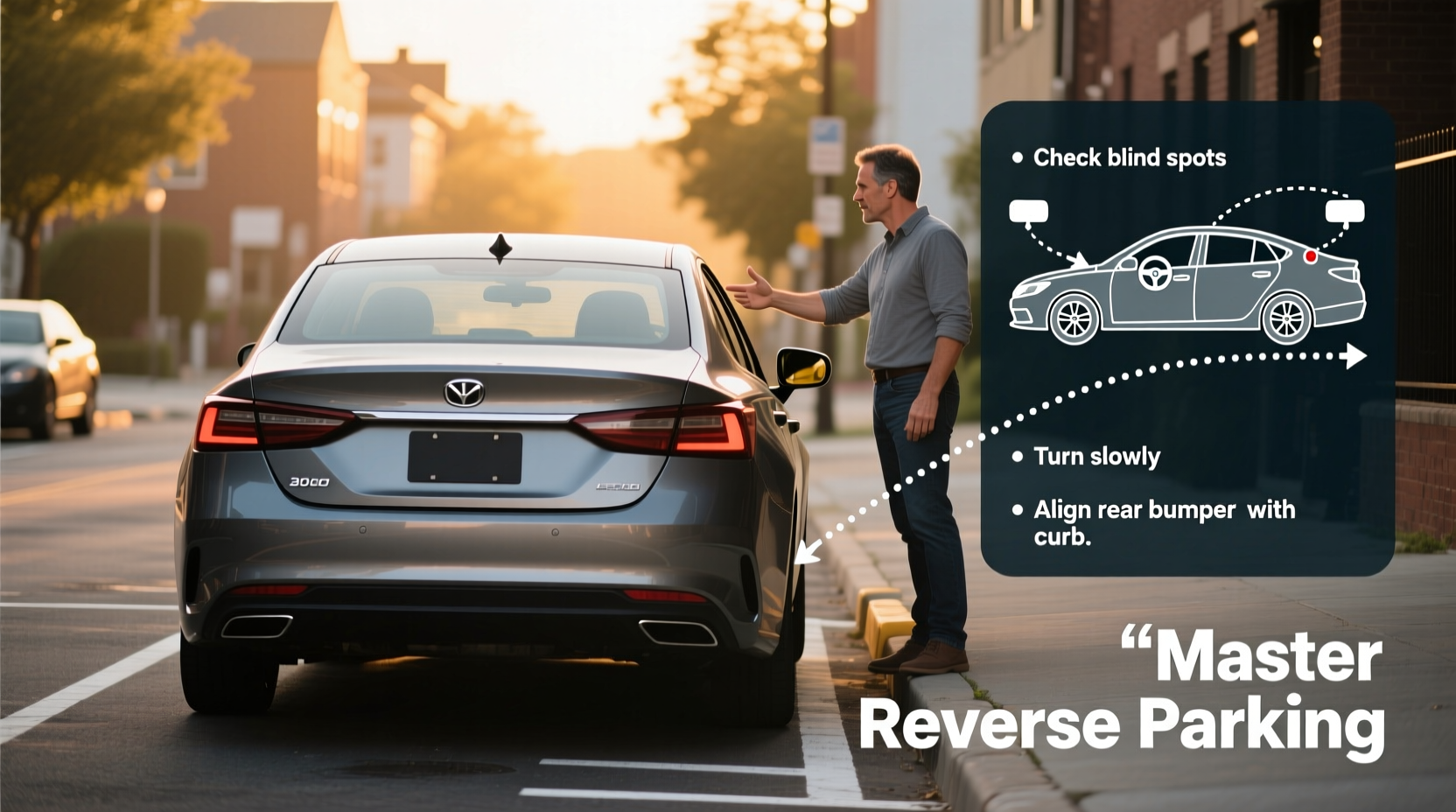
Reverse parking isn’t just about fitting into tight spaces—it’s a safety and efficiency strategy. When you back into a spot, you position your vehicle for a safer exit. Pulling forward allows better visibility of pedestrians, oncoming traffic, and blind spots compared to reversing out blindly. According to the National Highway Traffic Safety Administration (NHTSA), over 18,000 injuries annually involve vehicles backing up, many occurring in parking lots. Mastering reverse parking reduces risk and enhances control.
Step-by-Step Guide to Confident Back Parking
Follow this structured approach to execute a clean, accurate reverse park. Whether parallel parking on a city street or backing into a perpendicular space at a grocery store, these principles apply universally.
- Choose the Right Spot: Look for a space that's at least 1.5 times the length of your vehicle. Wider spots reduce pressure and give room for correction.
- Position Your Vehicle: Pull up alongside the vehicle in front of the empty space, aligning your rear bumper with theirs. Leave about 2–3 feet of lateral distance.
- Check Surroundings: Activate your turn signal, then scan mirrors and blind spots. Ensure no pedestrians, cyclists, or approaching cars are nearby.
- Shift to Reverse: With foot firmly on the brake, shift into reverse. Keep your left hand on the steering wheel, right hand over the passenger seat (if manual) to look behind.
- Begin Reversing Slowly: Release the brake gradually. Use idle power or light gas—never rush. Begin turning the wheel sharply toward the curb (right for right-side parking).
- Monitor Angles and Clearance: Watch side mirrors continuously. The rear corner of your car should clear the front car’s rear bumper before straightening.
- Straighten the Wheels: Once your car is at a 45-degree angle to the space, begin turning the wheel in the opposite direction to straighten as you continue reversing.
- Center and Align: Adjust slightly forward or backward if needed. Ensure equal space on both sides and avoid hugging curbs too tightly.
Common Mistakes and How to Avoid Them
Even experienced drivers make errors during reverse parking. Recognizing these pitfalls helps prevent them.
| Mistake | Why It’s Risky | How to Fix It |
|---|---|---|
| Turning Too Early | Causes front end to swing into traffic | Wait until your rear bumper passes the adjacent car’s bumper |
| Reversing Too Fast | Reduces reaction time and control | Use idle speed; tap gas only if necessary |
| Ignoring Blind Spots | Risk of hitting unseen pedestrians or objects | Turn head fully; use mirrors and backup sensors |
| Overcorrecting Steering | Leads to zigzagging and poor alignment | Make small adjustments; pause between turns |
Tools and Technology That Help
Modern vehicles come equipped with features designed to assist reverse parking. While they’re helpful, relying solely on tech without mastering manual skills can be risky if systems fail.
- Rearview Cameras: Provide real-time visuals behind the car. Always verify what you see with physical checks.
- Parking Sensors: Audible alerts indicate proximity to obstacles. Learn their beep patterns.
- Automatic Parking Assist: Some cars steer automatically during parking. You still control speed and braking.
“Technology supports good driving habits—it doesn’t replace them. A skilled driver uses tools as aids, not crutches.” — Mark Reynolds, Certified Driving Instructor with 18 years of experience
Practice Checklist for Building Confidence
Consistent practice builds muscle memory and spatial judgment. Use this checklist each time you train:
- ✅ Choose an empty parking lot during off-hours
- ✅ Set up cones or markers to simulate boundaries
- ✅ Perform at least five full reverse parks per session
- ✅ Practice both perpendicular and parallel configurations
- ✅ Record yourself or ask a trusted observer for feedback
- ✅ Focus on smoothness, not speed
- ✅ Reflect on what went well and what needs adjustment
Real-World Example: Overcoming Parking Anxiety
Sarah, a 32-year-old office worker, avoided reverse parking for years after a minor scrape damaged her rear bumper. Embarrassed and anxious, she’d circle lots searching for nose-in spots. After taking a defensive driving refresher course, she committed to practicing three times a week in a quiet retail lot. She used chalk marks to simulate spaces and recorded her attempts. Within a month, she reversed into a downtown spot flawlessly during rush hour. “It wasn’t magic,” she said. “It was repetition and knowing exactly when to turn the wheel.” Her confidence now extends to driving in tighter urban environments she once avoided.
Frequently Asked Questions
How do I know when to start turning the wheel?
The ideal moment depends on your vehicle’s wheelbase, but a reliable rule is to begin turning when your rear window aligns with the rear bumper of the car next to the space. For most sedans, this occurs about 2–3 feet past the vehicle.
What if I don’t have backup sensors or a camera?
You can still park safely. Develop reference points through practice: note where the curb appears in your side mirror or when the edge of the parking line enters your rear window. Turn your body to look directly behind while reversing slowly.
Is it better to reverse into a space or pull through?
Reversing in is generally safer because exiting involves pulling forward into view of traffic. Pull-through parking (where you exit backward) increases collision risk, especially in busy lots. Many commercial zones now encourage or require reverse-in parking for this reason.
Final Tips for Lasting Confidence
Confidence comes not from perfection, but from preparedness. Accept that minor corrections are normal—even expert drivers adjust their position after parking. Stay calm, move slowly, and prioritize safety over speed. Remember, every skilled driver was once hesitant in the same situation.
Take Action Today
Mastering reverse parking isn’t about innate talent—it’s about technique, awareness, and deliberate practice. Choose a quiet location this week, set up a mock space, and run through the steps until they feel natural. Each successful attempt builds competence and reduces anxiety. Soon, you’ll find yourself selecting the best available spot—not avoiding it. Share your progress, ask for feedback, and encourage others who struggle. Safe, confident parking isn’t just a skill—it’s a habit worth developing for life on the road.




 浙公网安备
33010002000092号
浙公网安备
33010002000092号 浙B2-20120091-4
Comments
No comments yet. Why don't you start the discussion?