
In a world where personalization defines identity, the humble keychain has evolved from a simple tool holder to a statement of individuality. No longer just a metal ring with keys, today’s keychains reflect personality, serve practical purposes, and even become conversation starters. Creating unique keychain combinations isn’t just about aesthetics—it’s about blending style with function in a way that suits your lifestyle. Whether you're designing one for yourself or crafting custom gifts, understanding the principles behind effective combination-building ensures both durability and visual appeal.
Understanding the Core Components of a Keychain
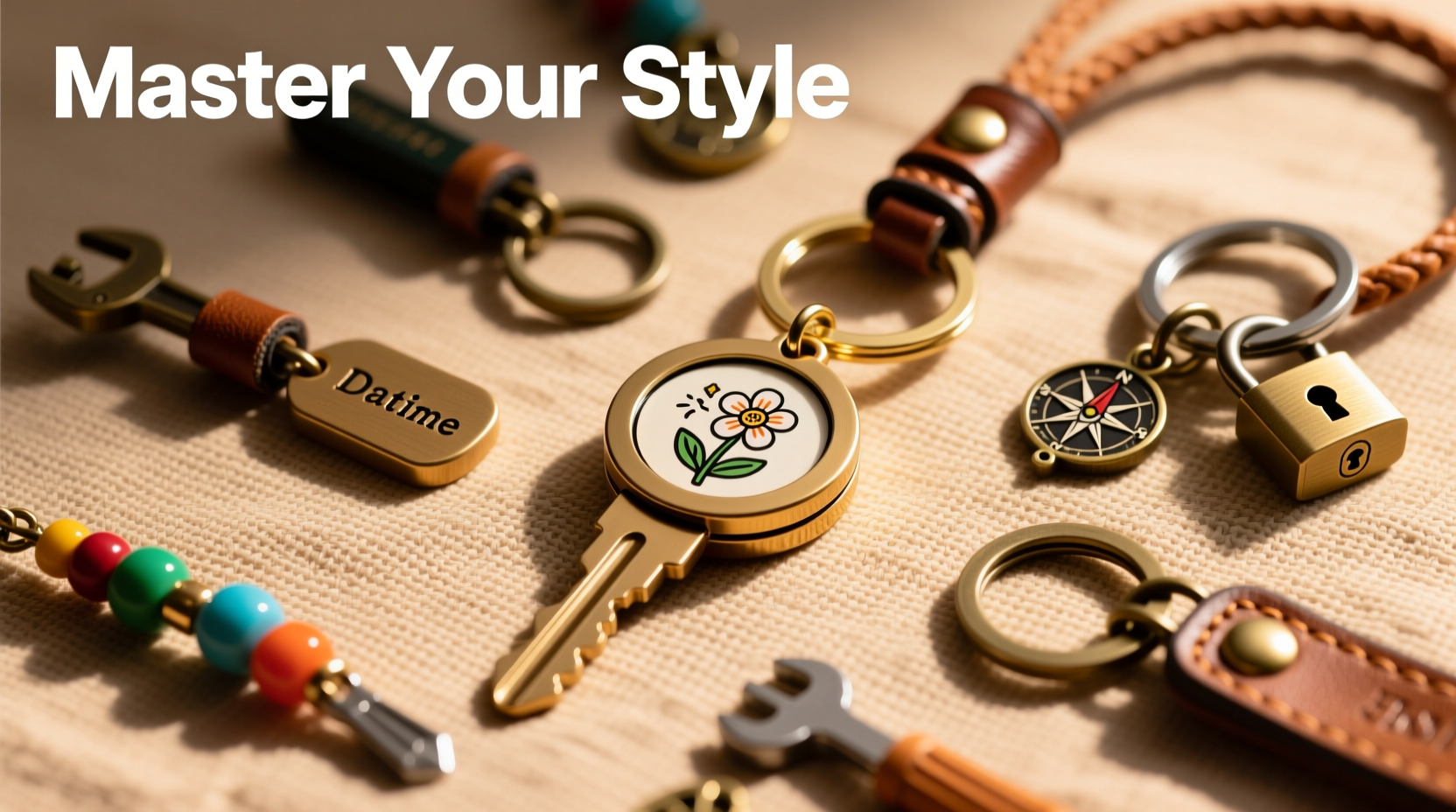
Before assembling a standout keychain, it's essential to understand its foundational elements. Each part contributes to both form and function:
- Keyring: The base component. Choose from split rings, lobster clasps, carabiners, or decorative O-rings depending on accessibility and load capacity.
- Tags & Charms: Personal identifiers or decorative accents—initials, coordinates, zodiac signs, or tiny sculptures.
- Functional Add-Ons: Bottle openers, mini flashlights, USB drives, or tire pressure gauges add utility.
- Connectors: Jump rings, split links, or swivel connectors allow modular attachment without clutter.
- Material Base: Metal (stainless steel, brass), leather, silicone, wood, or resin each bring different textures and longevity.
Design Principles for Balanced Combinations
A well-designed keychain balances weight, size, and purpose. Overloading leads to breakage; underdesigning misses an opportunity for expression. Consider these design principles:
- Hierarchy of Elements: Decide what should stand out—your initials? A favorite symbol? Place dominant pieces near the top or center.
- Weight Distribution: Heavier items like tools should be closer to the keyring to prevent tipping or strain on connectors.
- Visual Flow: Arrange charms in a gradient—from large to small or themed clusters—to guide the eye naturally.
- Function First: If using a flashlight or multitool, ensure it’s easily detachable or accessible without removing other parts.
Mini Case Study: The Urban Commuter’s Keychain
Sophie, a graphic designer in Portland, needed a compact yet expressive keychain. She combined a brushed titanium bottle opener (functional), a laser-engraved wooden tag with her initials (personal), and a small enamel pin of her favorite band (style). Using a minimalist leather loop instead of a bulky ring, she reduced jingle and pocket bulk. After six months of daily use, the leather aged beautifully, and none of the components loosened—a testament to thoughtful material pairing and balance.
Step-by-Step Guide to Building Your Custom Keychain
Follow this process to assemble a durable, meaningful keychain:
- Define Purpose: Is it primarily decorative, utilitarian, or sentimental?
- Select a Base Ring: Opt for a 28–32mm split ring or carabiner if carrying multiple keys.
- Choose 1–2 Functional Pieces: Flashlight, USB drive, or safety whistle based on lifestyle needs.
- Pick 2–3 Decorative Elements: Engraved tags, birthstone beads, or miniature souvenirs.
- Test Layout: Lay components flat to assess spacing and symmetry before attaching.
- Assemble Securely: Use pliers to close jump rings tightly; avoid twisting which weakens the metal.
- Test Daily Carry: Attach to keys and carry for a day. Adjust if too noisy, unbalanced, or cumbersome.
| Combination Type | Best For | Recommended Materials | Avoid |
|---|---|---|---|
| Minimalist Style | Everyday elegance | Titanium, leather, ceramic | Over-decoration, mixed finishes |
| Outdoor Utility | Hikers, campers | Stainless steel, paracord, rubber | Delicate charms, painted surfaces |
| Personalized Gift | Birthdays, anniversaries | Engraved brass, wood, enamel | Generic symbols, low-quality plating |
| Fashion Statement | Style-focused users | Gold-plated, acrylic, gem accents | Heavy tools, industrial look |
Expert Insight: Why Thoughtful Design Matters
“Most people overlook the emotional weight of small objects. A keychain isn’t just metal and plastic—it’s a curated piece of identity. When done right, it becomes an extension of self.” — Lena Torres, Industrial Designer & Founder of KeyForm Studio
Torres emphasizes that successful customization goes beyond trends. “Clients return years later asking for matching additions because their original keychain still holds meaning. That’s the power of intentional design.”
Common Pitfalls and How to Avoid Them
Even experienced crafters make mistakes when building keychains. Recognizing these issues early prevents frustration:
- Loose Jump Rings: Always close them fully using two pairs of pliers—never by hand alone.
- Overcrowding: More than five main elements often leads to tangling and difficulty accessing keys.
- Mismatched Finishes: Mixing matte black with rose gold can appear chaotic unless intentionally styled.
- Neglecting Weight Limits: Standard keyrings support ~500g; exceeding this risks deformation.
Checklist: Build a Keychain That Lasts and Expresses You
- ☑ Define primary purpose (style, utility, gift)
- ☑ Choose a strong, appropriately sized base ring
- ☑ Limit total weight to under 400g
- ☑ Select 1–2 functional tools
- ☑ Include 2–3 meaningful decorative elements
- ☑ Use consistent metal finishes (e.g., all silver-tone)
- ☑ Test assembly for noise, balance, and access
- ☑ Inspect connections monthly for wear
FAQ: Your Keychain Questions Answered
Can I mix materials like wood and metal safely?
Yes, but ensure connectors are corrosion-resistant (like stainless steel) to prevent reactions between dissimilar materials. Also, protect wooden elements with a light sealant to resist moisture.
How do I clean and maintain my custom keychain?
Wipe metal parts with a microfiber cloth weekly. For deeper cleaning, use mild soapy water and dry immediately. Avoid submerging leather or wood. Lubricate moving parts (like carabiners) occasionally with silicone spray.
What makes a good personalized gift keychain?
The best ones combine sentiment with usefulness. Think engraved coordinates of a special place, a tiny replica of a hobby-related object (e.g., a paintbrush for an artist), paired with a functional item like a bottle opener or luggage tag.
Craft With Confidence and Carry With Pride
Creating unique keychain combinations is more than a craft—it’s a way to carry your story, values, and daily essentials in one cohesive piece. By balancing aesthetic choices with structural integrity, you build something that lasts and resonates. Whether you’re streamlining your own setup or designing a heartfelt gift, every element you choose adds meaning. Start small, experiment thoughtfully, and refine over time. Your perfect combination isn’t just possible—it’s already within reach.




 浙公网安备
33010002000092号
浙公网安备
33010002000092号 浙B2-20120091-4
Comments
No comments yet. Why don't you start the discussion?