
A brand’s first impression is often visual—and few elements shape that impression more than the logo. While many logos incorporate symbols or icons, some of the most memorable brands rely solely on typography. Think Coca-Cola, Google, or FedEx: their strength lies not in imagery but in meticulously crafted letterforms. Designing a text-based logo—also known as a logotype—is both an art and a strategic discipline. It requires balancing aesthetic appeal with brand messaging, legibility, and scalability. Whether you're a designer building your skills or a business owner shaping your brand identity, mastering text logo design is essential.
Understanding the Power of Typography in Branding
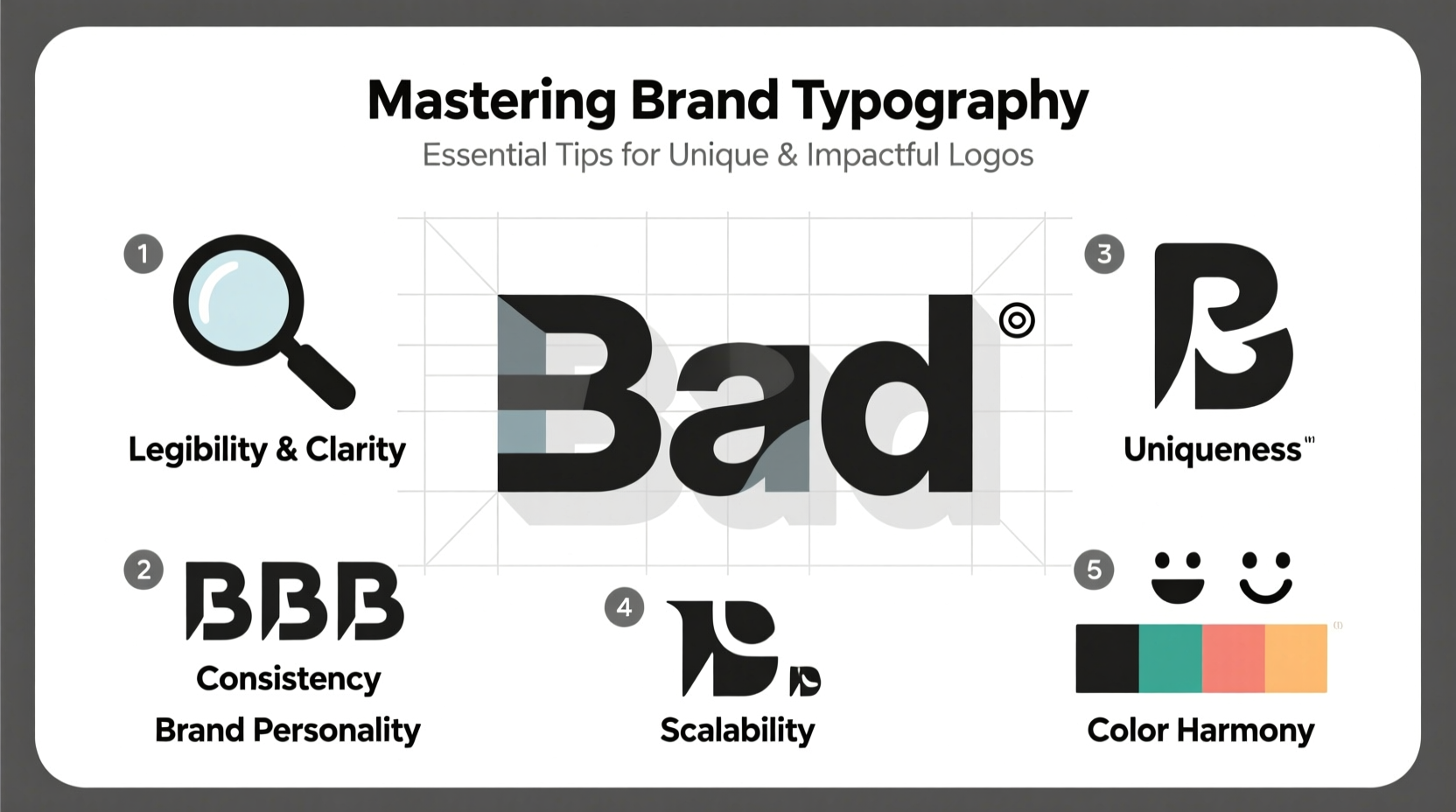
Typography is more than just selecting a font; it's about conveying tone, personality, and intent through letter shapes. A well-designed text logo can communicate trust, innovation, luxury, or playfulness—all without using a single image. The spacing between letters (kerning), the weight of the strokes, the slant, and even subtle modifications to individual characters contribute to the overall message.
For instance, serif fonts like Times New Roman suggest tradition and reliability, making them ideal for law firms or academic institutions. Sans-serif fonts such as Helvetica project modernity and clarity, favored by tech companies and minimalist brands. Script or handwritten styles evoke elegance or creativity, while bold, condensed typefaces signal energy and confidence.
“Your logo isn’t just a mark—it’s the typographic voice of your brand. Every curve and corner should speak to who you are.” — Daniel Richards, Brand Identity Designer at Studio Nova
Core Principles of Effective Text Logo Design
To create a compelling text logo, several foundational principles must be applied with precision:
- Legibility: Even at small sizes, the text must remain readable. Avoid overly decorative fonts that sacrifice clarity.
- Simplicity: Minimalist designs tend to endure longer. Complexity can distract from the core message.
- Uniqueness: Your logo should stand apart from competitors. Custom lettering or modified typefaces help avoid generic appearances.
- Scalability: It must look sharp on a business card and a billboard alike.
- Relevance: The typography should align with your industry and target audience.
Step-by-Step Guide to Crafting Your Text Logo
Creating a powerful text logo doesn’t happen overnight. Follow this structured approach to ensure a professional outcome:
- Define Your Brand Identity: Before choosing a font, clarify your brand values. Are you bold? Elegant? Trustworthy? Innovative? This will guide your typographic choices.
- Research Competitors: Analyze logos in your niche. Identify common patterns and opportunities to differentiate.
- Select a Base Typeface: Start with high-quality fonts that reflect your brand tone. Consider licensing commercial-use rights if needed.
- Customize the Letterforms: Adjust kerning, modify strokes, or redraw certain letters to add uniqueness. Avoid overdoing it—small tweaks often have big impacts.
- Test Across Mediums: View your logo on websites, packaging, signage, and mobile apps. Ensure consistency and readability.
- Get Feedback: Share drafts with stakeholders or a focus group. External perspectives reveal blind spots.
- Finalize and Document: Save multiple versions (horizontal, vertical, monochrome) and establish usage guidelines.
Do’s and Don’ts of Text Logo Design
| Do’s | Don’ts |
|---|---|
| Use custom lettering for true originality | Rely solely on default system fonts like Arial or Comic Sans |
| Maintain consistent stroke weights | Combine too many different fonts or styles |
| Optimize spacing for visual balance | Ignore kerning—uneven gaps weaken professionalism |
| Design for versatility across backgrounds | Create logos that only work with color |
| Ensure the logo reflects brand voice | Choose trendy fonts that may quickly feel outdated |
Real Example: How Brew & Co. Reinvented Their Identity
Brew & Co., a boutique coffee roaster, initially used a generic script font for their logo. While it looked friendly, it lacked distinction and was nearly identical to three other local cafés. After rebranding, they commissioned a custom logotype based on a vintage hand-lettered style, adjusting the ‘B’ to resemble a steam swirl and tightening the kerning for cohesion. The new logo not only stood out on packaging but also translated seamlessly to social media and storefront signage. Within six months, customer recognition increased by 40%, and wholesale partners reported stronger shelf presence.
This case illustrates that thoughtful typography isn’t just cosmetic—it directly influences brand perception and market performance.
Essential Checklist for Finalizing Your Text Logo
Before launching your logo, run through this checklist to ensure quality and consistency:
- ✅ Is the text easily readable at 1 inch tall?
- ✅ Does it retain clarity in black-and-white formats?
- ✅ Have I checked for unintended letter combinations (e.g., awkward kerning between 'A' and 'V')?
- ✅ Is the font legally licensed for commercial use—or is it fully custom?
- ✅ Does the logo represent the brand’s personality accurately?
- ✅ Can it scale down for favicon or app icon use?
- ✅ Have I created alternate versions (stacked, abbreviated, reversed) for different applications?
Frequently Asked Questions
Can I use a free font for my brand’s text logo?
Yes—but with caution. Many free fonts lack proper licensing for commercial branding or come in limited weights/styles. Always check the license terms. For long-term branding, investing in a premium font or custom design offers better control and exclusivity.
How do I know if my text logo is too complicated?
If viewers need time to decipher the words, or if the logo becomes illegible when resized, it’s likely overdesigned. Simplicity enhances recall. Try covering part of the logo—if recognition drops significantly, simplify further.
Should I include a tagline in my text logo?
Only if it adds clear value and fits cleanly. In most cases, keep the primary logo clean and reserve taglines for secondary applications like business cards or websites. Clutter undermines impact.
Conclusion: Shape Identity Through Thoughtful Typography
Designing a text logo is more than arranging letters—it’s about encoding your brand’s essence into every curve, space, and stroke. When done well, a typographic logo becomes instantly recognizable, timeless, and deeply aligned with your mission. From global giants to emerging startups, the most enduring brands understand that typography isn’t just functional; it’s foundational.




 浙公网安备
33010002000092号
浙公网安备
33010002000092号 浙B2-20120091-4
Comments
No comments yet. Why don't you start the discussion?