
In a world where convenience often trumps longevity, knowing how to repair common household issues can save time, money, and resources. From a dripping faucet to a wobbly chair, minor problems compound when ignored. But with the right mindset and a few essential tools, most everyday malfunctions are well within reach of a capable DIYer. This guide delivers actionable strategies, real-world examples, and expert-backed insights to help you confidently tackle repairs at home—no contractor required.
Why DIY Repair Matters More Than Ever
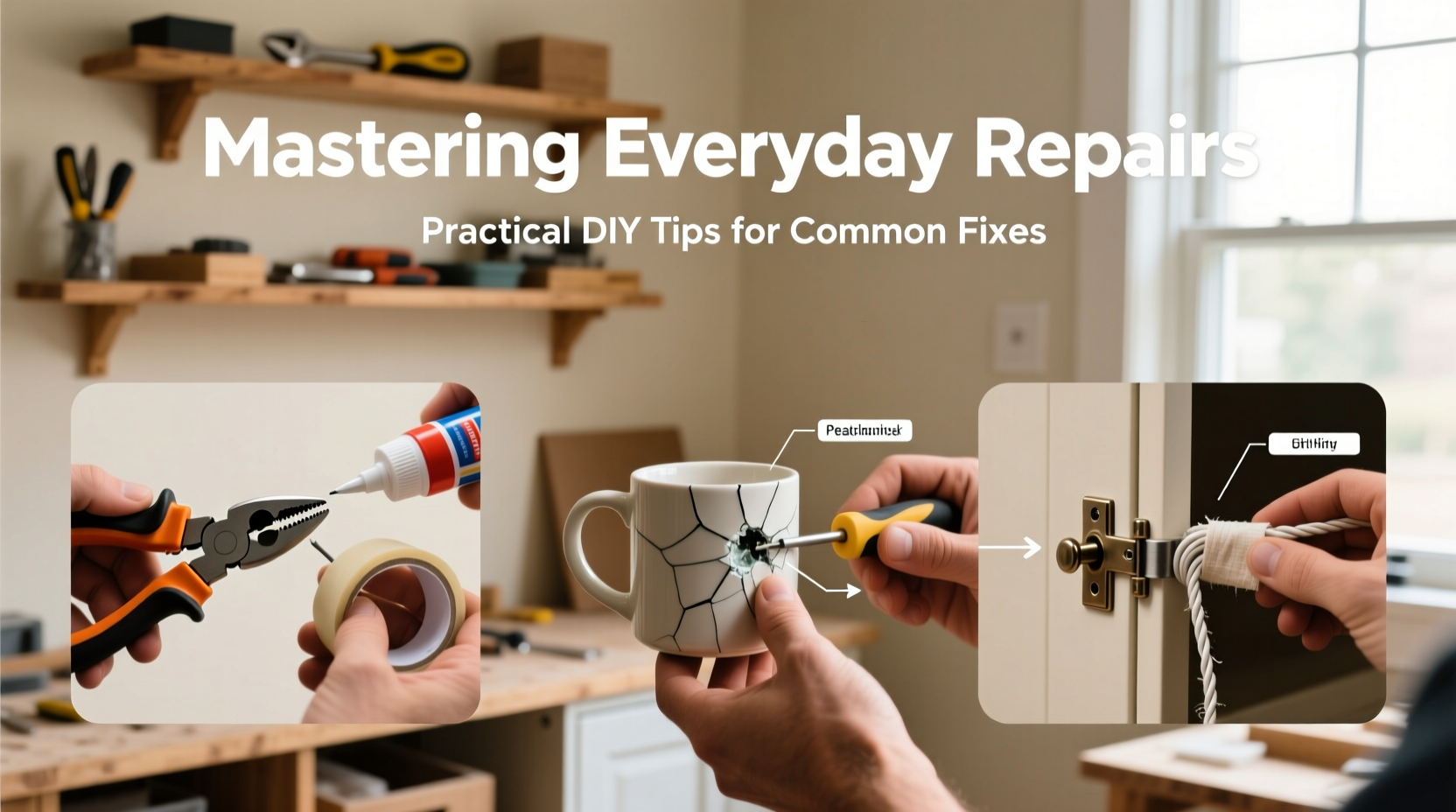
The throwaway culture has led to staggering waste and unnecessary spending. The average American household spends hundreds annually replacing items that could have been repaired. Beyond economics, fixing things fosters self-reliance and reduces environmental impact. According to the U.S. Environmental Protection Agency, over 12 million tons of furniture and household goods end up in landfills each year—much of it repairable.
Learning basic repair skills isn’t about becoming a handyman overnight. It’s about developing a problem-solving attitude. When your toaster stops heating or your door hinge squeaks, you don’t need to replace the entire unit—you need to understand the root cause and apply a targeted fix.
“Every repair is a small act of sustainability. Fixing one item extends its life and prevents resource extraction for replacements.” — Dr. Lena Torres, Sustainable Living Researcher, University of Vermont
Essential Tools Every Home Should Have
You don’t need a full workshop to handle most household repairs. A modest toolkit can cover 90% of common issues. Keep these basics on hand:
- Screwdriver set (flathead and Phillips)
- Adjustable wrench
- Pliers (needle-nose and slip-joint)
- Cordless drill with bit set
- Utility knife
- Tape measure
- Duct tape and electrical tape
- Flashlight or headlamp
- Level and stud finder
Common Household Issues and How to Fix Them
Most recurring problems stem from wear, loose components, or simple mechanical failure. Below are five frequent issues with clear, effective solutions.
1. Leaky Faucet
A dripping faucet wastes up to 3,000 gallons of water per year. The culprit is usually a worn washer or cartridge.
- Turn off the water supply under the sink.
- Plug the drain to avoid losing small parts.
- Remove the handle and trim to access the valve.
- Inspect the washer or cartridge for cracks or deformation.
- Replace with an identical part (take the old one to the hardware store).
- Reassemble and test slowly.
2. Squeaky Door Hinges
Friction between metal surfaces causes noise. Lubrication solves it instantly.
Apply lubricant to the hinge pin while opening and closing the door to work it in. Wipe excess to prevent dust buildup.
3. Loose Cabinet Handles or Drawer Pulls
Vibration and daily use loosen screws over time.
Remove the pull, clean any debris from the screw holes, and reinsert screws. If they spin freely, insert a toothpick or wooden match coated in wood glue into the hole before re-screwing. Trim flush once dry.
4. Wobbly Chair or Table
Check all joints and fasteners. Tighten bolts or screws first. For wooden furniture with loose mortise-and-tenon joints, disassemble, apply wood glue, clamp, and let dry for 24 hours.
5. Clogged Drain
Before reaching for chemical cleaners, try this safer method:
- Remove visible debris from the drain cover.
- Pour half a cup of baking soda down the drain.
- Add one cup of vinegar. Cover the drain to contain the fizz.
- Wait 30 minutes, then flush with boiling water.
If flow remains slow, use a plumber’s snake or remove the P-trap to clear blockages manually.
Do’s and Don’ts of DIY Repairs
| Do | Don’t |
|---|---|
| Test power with a voltage tester before electrical work | Ignore manufacturer instructions or safety warnings |
| Label wires during disassembly | Use excessive force—stripped screws make repairs harder |
| Work in a well-lit, organized space | Attempt gas line repairs without certification |
| Start with the simplest explanation (e.g., loose wire) | Assume a broken appliance needs full replacement |
Real-Life Case: Fixing a Faulty Lamp
Sarah noticed her bedside lamp wouldn’t turn on. Instead of buying a new one, she followed a logical diagnostic path:
First, she tested the bulb in another lamp—it worked. Next, she checked the outlet with a phone charger—power was present. She then examined the switch, which felt loose. After unplugging the lamp, she opened the base and found a disconnected wire inside the switch housing. Using pliers, she reattached the wire, secured it with electrical tape, and reassembled the fixture. The lamp worked perfectly, saving $45 and keeping usable material out of a landfill.
This example illustrates a key principle: diagnose systematically. Eliminate variables one at a time before assuming component failure.
Step-by-Step Guide to Troubleshooting Any Problem
Follow this universal process to approach unfamiliar issues:
- Observe: Note symptoms—noise, smell, visual damage, intermittent behavior.
- Research: Search online using specific keywords (e.g., “washing machine won’t spin model XYZ”).
- Isolate: Determine if the issue is electrical, mechanical, or structural.
- Test Safely: Use multimeters, manual operation, or substitute parts to verify hypotheses.
- Repair: Apply the solution with appropriate tools and materials.
- Verify: Operate the item under normal conditions to confirm the fix.
Frequently Asked Questions
Can I fix a cracked plastic item at home?
Yes, depending on location and stress. Clean the area thoroughly, use a plastic epoxy or two-part adhesive designed for polymers, and clamp until cured. Reinforce with a metal brace if needed. Avoid high-stress areas like load-bearing joints unless professionally welded.
How do I know when to call a professional?
Call a licensed technician for issues involving gas lines, major electrical rewiring, structural integrity, or HVAC systems. If you're unsure about safety or lack the proper tools, it's better to pause than risk injury or code violations.
Are DIY fixes durable long-term?
Many are. A properly glued joint, tightened connection, or replaced seal can last years. Durability depends on correct diagnosis, quality materials, and technique. Some repairs are temporary fixes—like duct-taped hoses—but most structural and mechanical fixes, when done right, are permanent.
Build Confidence Through Practice
Mastery comes not from avoiding mistakes but from learning through them. Start with low-risk projects: oil a garage door opener, replace a showerhead, or patch a small drywall hole. Each success builds competence. Over time, you’ll develop intuition—knowing by sound, feel, or pattern what’s wrong.
Join online forums like r/DIY on Reddit or Instructables to share experiences and learn from others. Many communities offer free repair clinics where volunteers help fix appliances, bikes, and electronics.
“The best tool you own is curiosity. Ask ‘why did this break?’ and you’ll fix it better—and prevent it next time.” — Marcus Reed, Master Electrician and Educator
Final Thoughts: Take Action Today
Repairing everyday items isn’t just practical—it’s empowering. You gain control over your environment, reduce consumption, and save money. Whether it’s a flickering light, a leaky hose, or a broken drawer slide, the solution is often simpler than it appears.
Grab your toolkit. Pick one thing that’s been bothering you. Diagnose, fix, and enjoy the satisfaction of a job well done. Share your experience with friends or family—inspire others to stop replacing and start repairing.




 浙公网安备
33010002000092号
浙公网安备
33010002000092号 浙B2-20120091-4
Comments
No comments yet. Why don't you start the discussion?