
In an age where online opinions shape purchasing decisions, career opportunities, and brand reputations, the power of a well-crafted review cannot be overstated. Whether you're evaluating a product, service, book, or restaurant, your words carry weight. But not all reviews are created equal. A thoughtful, balanced, and specific review stands out from the noise of five-star hype or one-star rants. Learning how to make a review that is both credible and useful requires intention, structure, and empathy.
This guide walks through the essential principles and practical steps for writing reviews that inform, inspire trust, and contribute meaningfully to public conversation—without falling into common pitfalls like bias, vagueness, or emotional overreaction.
Why Reviews Matter More Than Ever
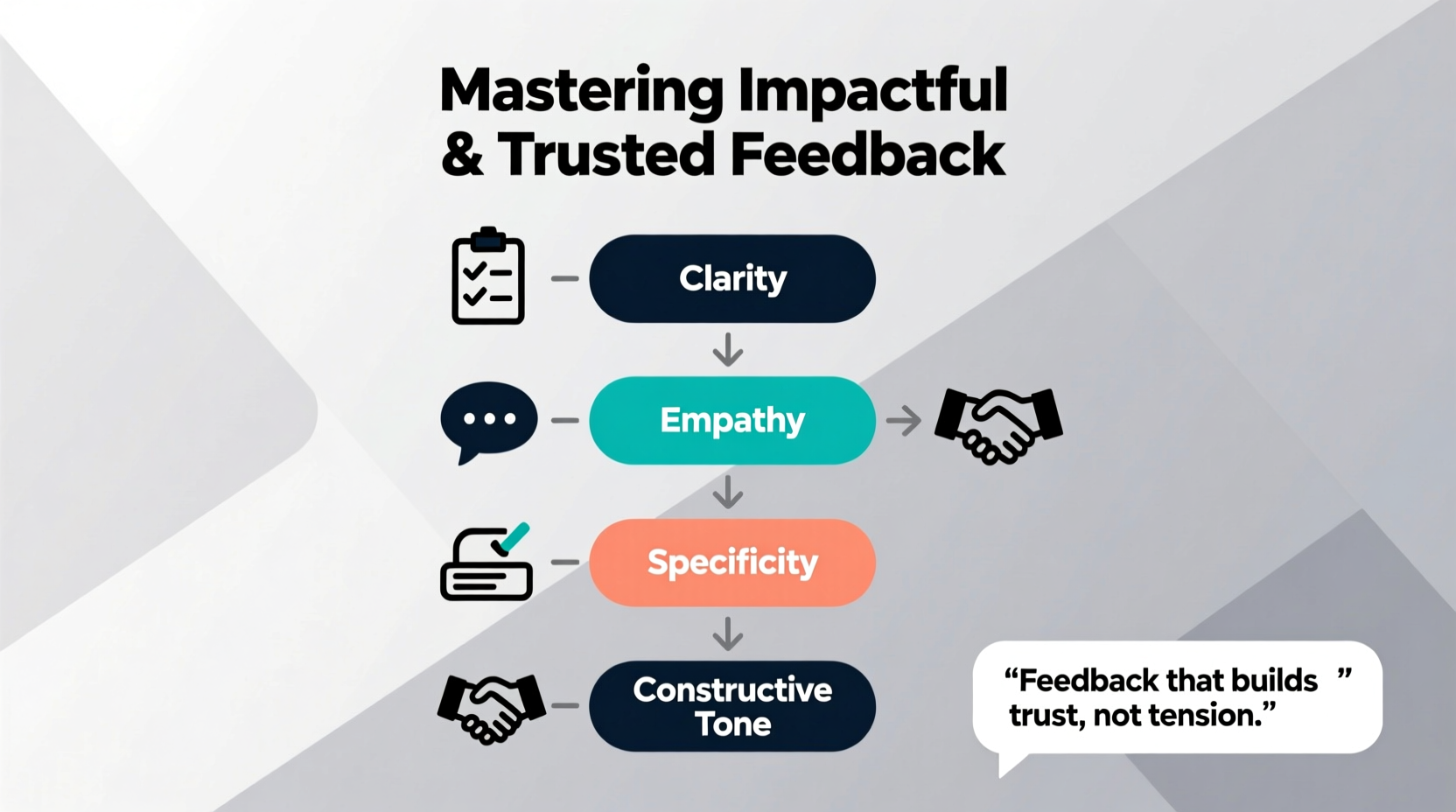
Consumers rely heavily on peer feedback before making decisions. According to BrightLocal, 93% of people read online reviews before choosing a local business. Similarly, platforms like Amazon, Yelp, and TripAdvisor base their algorithms and visibility on user-generated content. A single compelling review can sway hundreds—or thousands—of potential customers.
But influence comes with responsibility. Misleading, exaggerated, or poorly thought-out reviews erode trust not only in the reviewer but in the platform itself. The most respected reviewers aren’t those who give extreme ratings, but those who provide consistency, detail, and fairness across multiple experiences.
“Authenticity isn't about being negative or positive—it's about being truthful. The best reviews help others see what they might actually experience.” — Dr. Lena Torres, Consumer Behavior Researcher at Stanford University
A Step-by-Step Framework for Writing Impactful Reviews
Crafting a high-quality review doesn’t have to be time-consuming, but it does require deliberate effort. Follow this six-step process to ensure your feedback is clear, credible, and constructive.
- Experience Firsthand: Never write a review based on hearsay, assumptions, or secondhand information. Use the product, visit the location, or engage with the service yourself.
- Take Notes During or Immediately After: Memory fades quickly. Jot down key impressions—what stood out, what frustrated you, what surprised you—while the experience is fresh.
- Identify the Core Aspects to Evaluate: Break down the experience into measurable components (e.g., quality, value, customer service, usability).
- Be Specific and Concrete: Replace vague statements like “It was good” with descriptive details: “The battery lasted 14 hours under moderate use.”
- Balanced Perspective: Acknowledge strengths and weaknesses. Even excellent products have trade-offs; even poor ones may have redeeming qualities.
- Edit Before Publishing: Remove emotional language, check for clarity, and ensure your tone remains respectful and objective.
Do’s and Don’ts of Review Writing
| Do’s | Don’ts |
|---|---|
| Use specific examples (“The delivery arrived two days late despite guaranteed shipping”) | Make sweeping generalizations (“Everything about this company is terrible”) |
| Mention context (“I used this hiking backpack on a 3-day trail in rainy conditions”) | Write anonymously just to vent anger or settle personal scores |
| Highlight improvements if returning (“Customer support resolved my issue within 24 hours”) | Include irrelevant personal attacks (“The cashier was rude because she had bad makeup”) |
| Update reviews when appropriate (e.g., after follow-up service) | Post duplicate reviews across platforms without adaptation |
| Disclose affiliations (“I received a free sample, but all opinions are my own”) | Accept payment to write fake positive reviews |
Real Example: Turning Frustration Into Constructive Feedback
Sophie booked a weekend getaway at a lakeside cabin advertised as “luxury eco-retreat.” Upon arrival, she found outdated furniture, spotty Wi-Fi, and no recycling bins—contradicting the eco-friendly claim. Initially tempted to leave a scathing one-star rant, she paused and decided to write a more measured review.
Her final post began with appreciation for the scenic view and quiet surroundings, then detailed the discrepancies between marketing and reality. She noted: “While the natural setting was breathtaking, calling this a ‘luxury’ stay feels misleading. The bathroom tiles were cracked, and there was mold near the shower grout. I expected basic maintenance for $300/night.”
She ended with a suggestion: “Invest in routine inspections and accurate photography. Guests would still come for the location—you don’t need to exaggerate.”
Two weeks later, Sophie received a personal message from the owner thanking her for the feedback. The listing was updated with honest photos, and several maintenance issues were fixed. Her review didn’t just warn others—it prompted real improvement.
Checklist: Is Your Review Ready to Publish?
- ✅ Did I personally experience the product or service?
- ✅ Have I included specific details (dates, features, interactions)?
- ✅ Am I balancing positives and negatives fairly?
- ✅ Is my tone respectful, even when criticizing?
- ✅ Have I avoided emotional exaggeration or insults?
- ✅ Would someone reasonably act on my advice?
- ✅ If compensated or affiliated, have I disclosed it?
When and How to Update or Remove a Review
Experiences evolve. A company may respond to criticism, fix a defect, or improve its service. In such cases, consider updating your original review to reflect the change. Many platforms allow edits that preserve transparency while showing growth on both sides.
For example, if a restaurant initially served cold food but later impressed you with prompt service and corrected dishes, add a note: “Updated June 2024: Returned after reading their response. Food was hot, staff attentive, and dessert complimentary. Will return again.”
Removing a review should be rare and only done if the original was factually incorrect or posted under false pretenses. Deleting negative feedback simply because a business asks you to undermines authenticity.
Frequently Asked Questions
Can I write a review without giving a star rating?
Most platforms require a numerical or star rating to accompany written feedback. However, your written content carries more weight than the score. Use the text to clarify nuances that a single number can't convey.
How long should a good review be?
Aim for 150–300 words. Enough to cover key points with specifics, but concise enough to hold attention. Extremely short reviews (“Great!”) lack usefulness; overly long ones risk losing focus.
Is it okay to write a negative review?
Yes, if it’s truthful and constructive. Avoid purely emotional reactions. Focus on facts, expectations vs. reality, and suggestions for improvement. Businesses often appreciate honest critique more than blind praise.
Conclusion: Be the Voice Others Trust
The digital world thrives on shared experiences. Every review you write contributes to a larger ecosystem of trust, transparency, and accountability. Mastering how to make a review means embracing your role not as a critic, but as a guide—someone who helps others navigate choices with clarity and confidence.
Whether you’re reviewing a $5 app or a $5,000 course, approach each one with integrity, observation, and care. Write the kind of review you’d want to read before making a decision. Over time, your voice will gain recognition, your insights will resonate, and your feedback will drive meaningful change—for consumers and creators alike.




 浙公网安备
33010002000092号
浙公网安备
33010002000092号 浙B2-20120091-4
Comments
No comments yet. Why don't you start the discussion?