
In the world of B2B marketing, transactions are rarely impulsive. Decisions involve multiple stakeholders, long evaluation periods, and high expectations for reliability and value. Success doesn’t come from flashy ads or one-off campaigns—it comes from cultivating deep, trust-based relationships over time. The most effective B2B marketers understand that their role extends beyond promotion; it’s about positioning their brand as a strategic partner. This requires a blend of insight, patience, and targeted communication strategies that resonate with decision-makers on both professional and human levels.
Understanding the B2B Buyer Journey
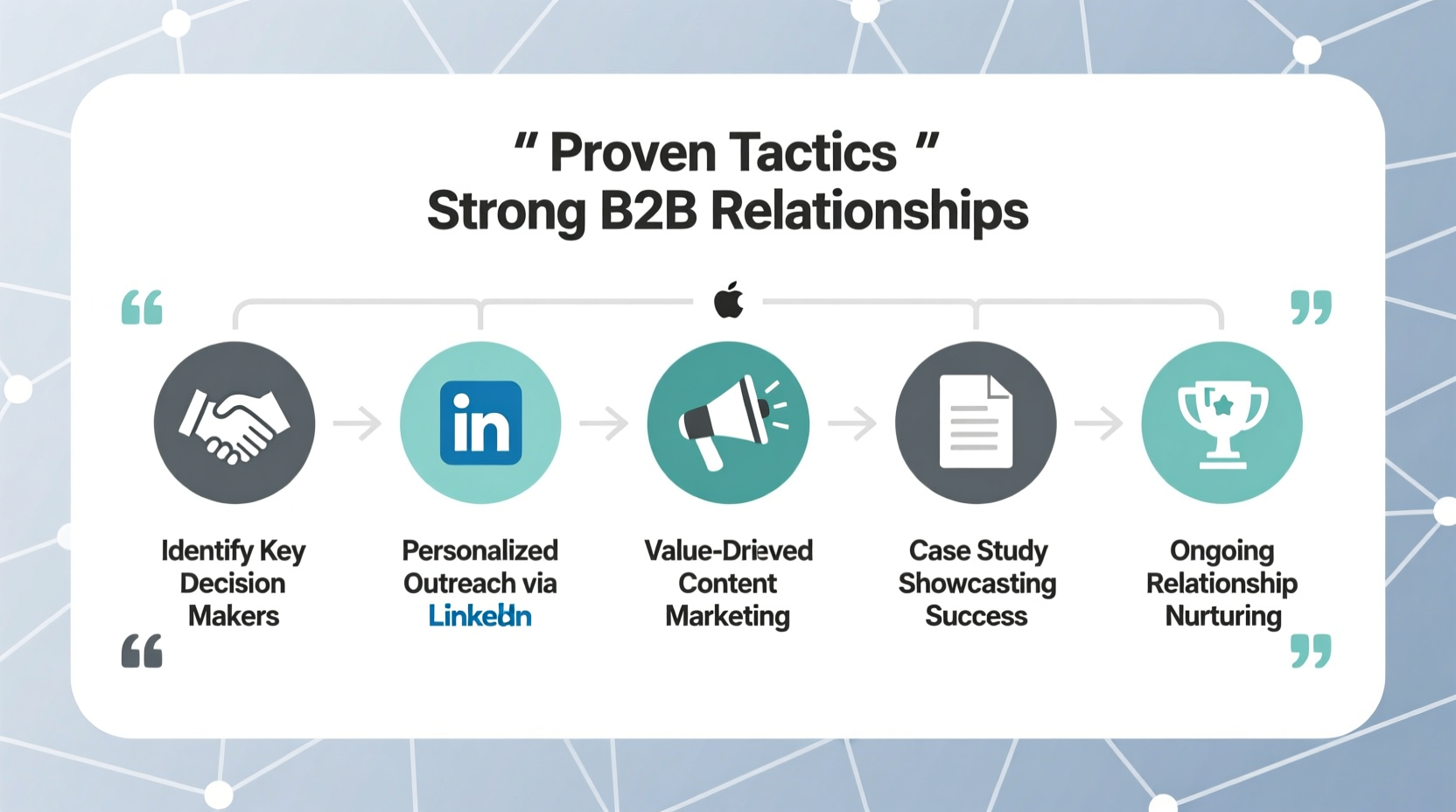
The B2B buyer journey is fundamentally different from its B2C counterpart. It typically spans months, involving research, stakeholder alignment, budget approvals, and risk assessment. A typical journey includes three core stages: awareness, consideration, and decision. In the awareness stage, prospects recognize they have a problem. During consideration, they evaluate potential solutions. Finally, in the decision phase, they select a vendor.
To effectively market in this environment, businesses must map their content and outreach to each stage. For example, early-stage prospects benefit from educational blog posts, whitepapers, and webinars. Mid-funnel leads respond well to case studies and product comparisons. Late-stage buyers need personalized demos, ROI calculators, and references.
Building Trust Through Value-Driven Content
Content remains one of the most powerful tools in B2B marketing, but only when it’s genuinely helpful. Generic blog posts or overly promotional material fail to move the needle. Instead, focus on creating resources that solve real problems—industry reports, benchmarking tools, implementation guides, or expert interviews.
A manufacturing software company, for instance, might publish a detailed guide on reducing machine downtime using predictive analytics. This positions them not just as a vendor, but as an authority with actionable insights. Over time, consistent delivery of value builds credibility and keeps your brand top-of-mind when purchasing decisions arise.
“Trust isn’t built in a single interaction. It’s earned through repeated demonstration of expertise, transparency, and reliability.” — David Lin, Chief Marketing Officer at TechFlow Solutions
Checklist: Creating High-Impact B2B Content
- Identify key pain points across customer segments
- Align content formats with buyer journey stages
- Use data and real-world examples to back claims
- Include clear next steps (e.g., download, contact, demo)
- Repurpose long-form content into micro-content (social posts, emails, infographics)
Leveraging Account-Based Marketing (ABM) Strategically
One-size-fits-all messaging rarely works in B2B. Account-Based Marketing flips the traditional funnel by targeting specific high-value accounts with personalized outreach. Rather than casting a wide net, ABM focuses on depth over breadth, treating each target account as a market of one.
This approach combines data intelligence with human touchpoints. Sales and marketing teams collaborate to identify ideal customer profiles (ICPs), then craft customized campaigns using direct mail, LinkedIn engagement, executive briefings, and tailored content.
| Traditional Marketing | Account-Based Marketing |
|---|---|
| Broad audience targeting | Precise account selection |
| Volume-driven lead generation | Quality-focused engagement |
| Generic email blasts | Personalized multi-channel sequences |
| Marketing-to-sales handoff | Sales and marketing alignment from day one |
| Success measured by MQLs | Success measured by account engagement and revenue |
Mini Case Study: Scaling Engagement with ABM
A mid-sized cybersecurity firm struggled to break into enterprise accounts despite having a robust product suite. They implemented an ABM strategy targeting 50 financial institutions. Each campaign included personalized video messages from their CISO, custom threat assessment reports, and invitations to private roundtables. Within nine months, engagement rates increased by 320%, and they closed seven new enterprise deals—three of which came from previously unresponsive accounts.
Strengthening Relationships Through Consistent Communication
Many B2B companies vanish after the sale, missing opportunities to deepen relationships. Post-purchase communication is where loyalty is built. Regular check-ins, onboarding support, and ongoing education reinforce the buyer’s decision and open doors for upsell conversations.
Email nurture sequences, quarterly business reviews (QBRs), and customer advisory boards are effective ways to maintain momentum. These interactions should focus on outcomes—not just features. Ask questions like: “How has our solution impacted your team’s efficiency?” or “What challenges are you anticipating in the next quarter?”
Step-by-Step Guide: Building a Relationship Nurturing Sequence
- Week 1: Send a welcome email with onboarding checklist and contact details.
- Week 2: Share a short video tutorial relevant to their use case.
- Month 1: Schedule a 15-minute onboarding call to address initial questions.
- Month 2: Deliver a success snapshot showing early results or usage metrics.
- Month 3: Invite them to a user community or advanced training session.
- Quarterly: Conduct a QBR to align on goals and explore expansion opportunities.
Measuring What Matters: Key B2B Relationship Metrics
While leads and conversions matter, sustainable B2B growth depends on relationship health. Track metrics that reflect long-term value, such as Customer Lifetime Value (CLV), Net Promoter Score (NPS), and retention rate. Monitor engagement indicators like content downloads, meeting attendance, and support ticket resolution times.
For example, a drop in engagement from a key account could signal dissatisfaction before churn occurs. Proactive outreach based on these signals can prevent attrition and strengthen trust.
Do’s and Don’ts of B2B Relationship Building
| Do | Don’t |
|---|---|
| Listen more than you pitch | Lead every conversation with pricing or features |
| Follow up consistently without being pushy | Go silent after sending a proposal |
| Share relevant industry insights unprompted | Only reach out when you want something |
| Introduce customers to peers or partners who can help them | Treat the relationship as purely transactional |
| Admit limitations and offer alternatives when appropriate | Overpromise to close a deal |
FAQ
How long does it take to build a strong B2B relationship?
There’s no fixed timeline—some relationships develop over six months, others take years. What matters is consistency. Regular, value-driven interactions accelerate trust, especially when aligned with the client’s business cycles and goals.
Can small businesses compete in B2B marketing without a large budget?
Absolutely. Smaller companies often have an advantage in agility and personalization. By focusing on niche markets, delivering exceptional service, and leveraging organic outreach (e.g., thought leadership on LinkedIn, referral programs), they can build strong reputations even with limited ad spend.
Is cold outreach still effective in B2B?
When done right, yes. Personalized cold emails or LinkedIn messages that reference a prospect’s recent initiative, challenge, or public content can generate responses. However, success depends on relevance, brevity, and offering immediate value—not just pitching a product.
Conclusion
Mastering how to market business to business isn’t about mastering tricks or shortcuts. It’s about committing to the long game—showing up with insight, integrity, and consistency. The strongest B2B relationships aren’t forged in boardrooms; they’re built through repeated acts of usefulness, empathy, and reliability. Whether you’re nurturing leads, supporting existing clients, or re-engaging dormant accounts, every interaction is an opportunity to reinforce trust.




 浙公网安备
33010002000092号
浙公网安备
33010002000092号 浙B2-20120091-4
Comments
No comments yet. Why don't you start the discussion?