
A handmade knitted bag pendant is more than just an accessory—it’s a statement of creativity, care, and individuality. While the knitting itself showcases skill, it’s the personalization that transforms a simple piece into something truly memorable. Whether you're crafting for yourself or creating a gift, adding unique custom touches elevates both the aesthetic and emotional value of your work. From choosing meaningful embellishments to incorporating symbolic motifs, personalization turns functional accessories into wearable art.
Selecting Your Base Design with Personalization in Mind
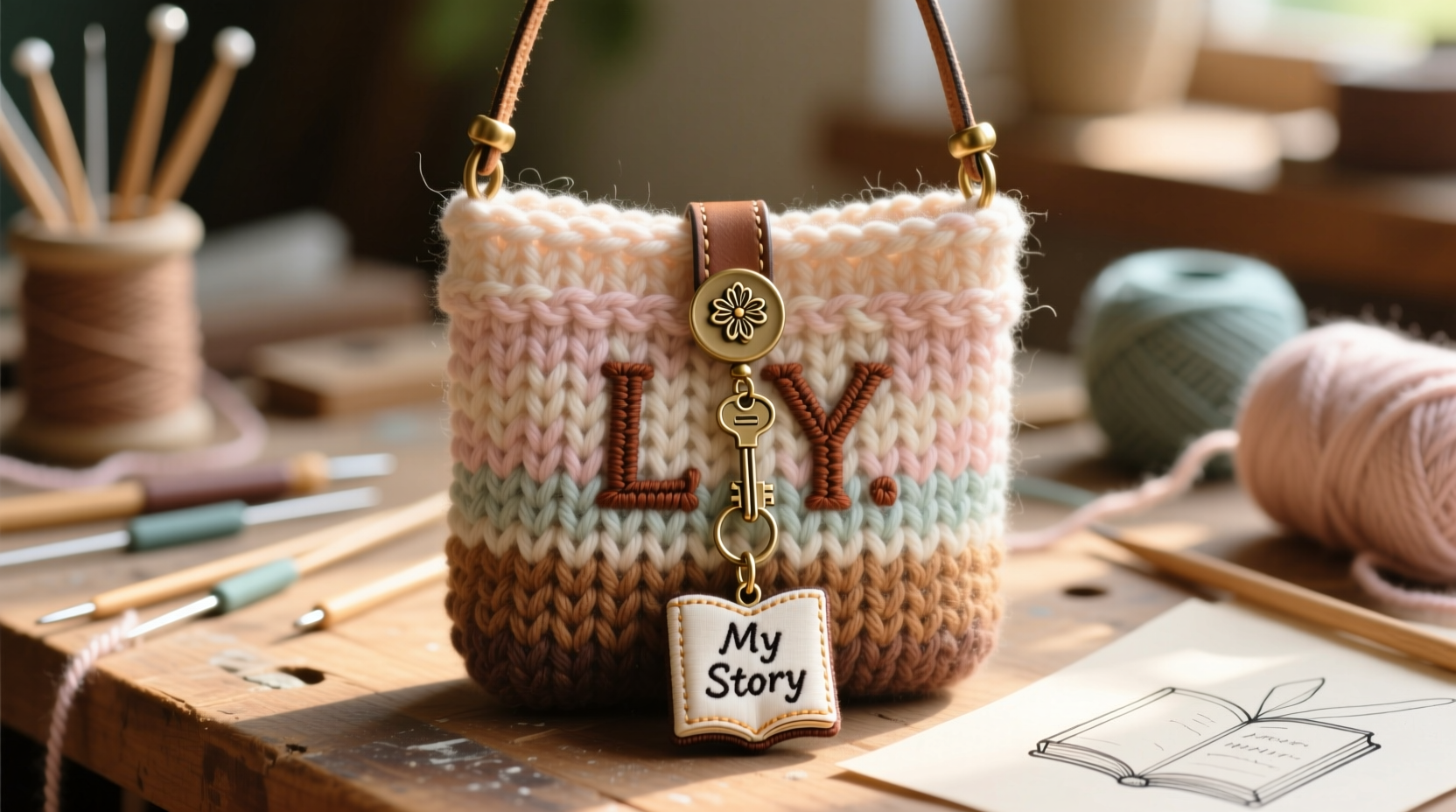
The foundation of any personalized pendant begins with the base design. A well-chosen knit pattern not only provides structural integrity but also sets the stage for customization. Consider using open-lace stitches if you plan to add charms or embroidery, as they allow for greater integration of decorative elements. Conversely, tighter garter or stockinette stitches offer a smooth canvas ideal for surface-level additions like beadwork or fabric appliqués.
When selecting yarn, think beyond color and texture—consider symbolism. A soft merino wool in a recipient’s favorite hue can carry emotional weight. Hand-dyed variegated yarns introduce organic movement, making each piece one-of-a-kind even before embellishment. Always swatch with your intended yarn and needle size to ensure the final piece maintains its shape when adorned.
Incorporating Meaningful Embellishments
Embellishments are where personalization truly shines. They serve as visual anchors that tell a story, commemorate an event, or reflect someone’s interests. The key is thoughtful selection—not overloading the piece, but curating elements that harmonize with the knit structure.
- Charms: Attach small metal or resin charms that represent hobbies (e.g., books, music notes), zodiac signs, or travel destinations. Secure them with jump rings through sturdy loops in the knitting.
- Beads: Thread glass, wood, or seed beads directly onto your yarn before knitting to create embedded sparkle. Alternatively, hand-sew beads onto finished areas for precise placement.
- Tassels & Fringe: Customize tassels with layered threads, metallic cords, or miniature pom-poms dyed to match a specific palette.
- Fabric Patches: Appliqué tiny embroidered patches or repurposed fabric scraps (like from a childhood garment) for sentimental depth.
“Personalization isn’t about adding everything you love—it’s about choosing what speaks most clearly.” — Lila Montgomery, Textile Artist & Educator
Step-by-Step Guide: Adding a Monogrammed Embroidery Touch
One of the most elegant ways to personalize a knitted pendant is by incorporating hand-embroidered initials, symbols, or short phrases. Follow this sequence to integrate embroidery seamlessly:
- Finish and Block: Complete your knitting and gently block the piece to stabilize the stitches and dimensions.
- Choose Thread: Select embroidery floss or perle cotton that contrasts or complements the yarn. Silk threads add luxury; cotton offers durability.
- Design Layout: Sketch your monogram lightly with a washable fabric marker. Use classic scripts or modern geometric fonts depending on the overall vibe.
- Stitch Technique: Backstitch works best for clean lines. For flourishes, try stem stitch or satin stitch within defined shapes.
- Secure Ends: Weave all thread tails into the knit backing to prevent unraveling.
- Seal (Optional): Apply a drop of clear fabric glue under knot points if the pendant will endure frequent handling.
Material Compatibility and Care Considerations
Not all materials play well together, especially when combined on a delicate knit surface. The table below outlines common personalization elements and their compatibility with various yarn types.
| Embellishment | Suitable Yarn Types | Risks / Avoid With |
|---|---|---|
| Metal Charms | Wool, Cotton, Acrylic | Fraying fine silk or mohair; sharp edges catching loose plies |
| Seed Beads | All (especially worsted weight) | Very loosely spun yarns that may break under needle pressure |
| Fabric Appliqué | Cotton, Linen-blend yarns | Highly elastic or fuzzy yarns (e.g., eyelash fibers) |
| Embroidery Floss | Most stable knits | Unblocked pieces or those with excessive drape |
| Resin Elements | Firm, tightly knitted bases | Loose lace or stretchy fabrics prone to warping |
Always consider long-term wearability. If the pendant will hang from a bag exposed to weather, avoid water-sensitive materials like untreated paper inserts or raw wood beads unless sealed properly.
Real Example: Creating a Travel-Themed Pendant for a Friend
Sophie was crafting a knitted pendant for her best friend, Maya, who had recently returned from a solo trip across Southeast Asia. Instead of a generic design, Sophie incorporated subtle nods to the journey. She used a sand-colored cotton blend yarn reminiscent of Thai beaches and knitted a small lotus motif using intarsia technique. Along the bottom edge, she stitched tiny red beads to symbolize the lanterns from Chiang Mai’s Yi Peng festival. Finally, she attached a miniature brass compass charm purchased from a local artisan market—something Maya had mentioned loving in her travel journal.
The result wasn’t flashy, but deeply resonant. When Maya received it, she said, “It feels like you packed my entire trip into this little piece.” This example underscores how effective personalization can be when rooted in genuine connection rather than trend-driven decoration.
Checklist: Preparing for Personalization Success
Before beginning your custom work, run through this checklist to ensure quality and cohesion:
- ✅ Finalize and block the knitted piece
- ✅ Gather all embellishment materials and test attachment methods
- ✅ Confirm color harmony between yarn, thread, and added elements
- ✅ Plan layout with temporary pins or washable markers
- ✅ Choose secure fastening techniques (sewing vs. adhesives)
- ✅ Assess durability needs based on intended use
- ✅ Document the process for future reference or gifting context
Frequently Asked Questions
Can I wash a personalized knitted pendant?
Yes, but with caution. Hand-wash gently in cool water using mild detergent. Remove detachable charms or beads first if possible. Lay flat to dry away from direct heat. Avoid machine washing unless all materials are confirmed wash-safe.
How do I attach heavy charms without damaging the knit?
Reinforce the attachment point by double-stitching with strong thread (e.g., upholstery thread) through multiple stitches. You can also sew a small piece of interfacing or felt inside the knit for extra support before attaching the charm.
What if I want to change the design later?
Design flexibility is possible if you use modular elements. Attach charms via lobster clasps or small ribbons instead of permanent stitching. This allows for seasonal swaps or updates as tastes evolve.
Conclusion: Make It Unmistakably Yours
Personalizing a handmade knitted bag pendant is where craft meets soul. It’s not merely about decorating—it’s about embedding memory, meaning, and intention into every loop and stitch. By thoughtfully integrating colors, textures, and symbols, you transform a modest accessory into a keepsake that carries stories far beyond its size.




 浙公网安备
33010002000092号
浙公网安备
33010002000092号 浙B2-20120091-4
Comments
No comments yet. Why don't you start the discussion?