
Planning an event—whether a corporate conference, wedding, product launch, or community fundraiser—requires precision, foresight, and adaptability. Success doesn’t come from luck; it comes from a structured approach that anticipates challenges and aligns every detail with the event’s purpose. While creativity brings flair, strategy ensures reliability. This guide breaks down the essential steps, tools, and mindsets needed to transform your vision into a flawlessly executed experience.
Define Your Event Goals and Audience
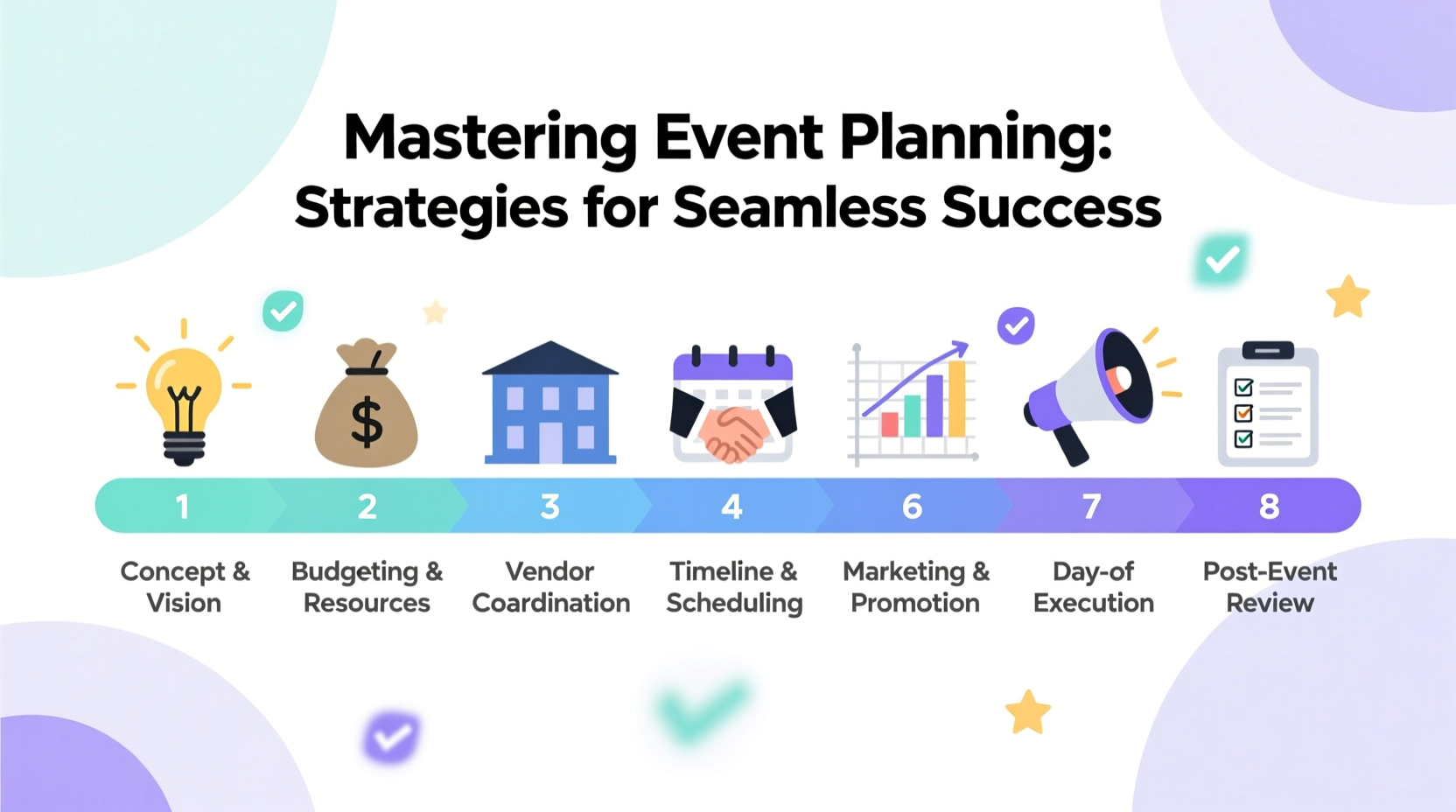
The foundation of any successful event begins with clarity. Before selecting venues or sending invitations, ask: What is the primary objective? Is it to educate, celebrate, generate leads, or build community? Each goal shapes different aspects of planning—from format and tone to logistics and measurement.
Equally important is understanding your audience. A tech startup’s launch party will differ vastly from a nonprofit gala in terms of messaging, guest expectations, and engagement style. Create a simple profile for your ideal attendee: their interests, schedule preferences, accessibility needs, and communication habits.
Build a Realistic Timeline and Budget
No event succeeds without financial discipline and time management. Start by outlining a master budget that includes all potential costs: venue rental, catering, AV equipment, staffing, permits, marketing, insurance, and contingency funds (typically 10–15% of total).
Simultaneously, develop a timeline that works backward from the event date. Major milestones should include booking vendors, finalizing content, launching promotions, confirming attendance, and conducting rehearsals.
| Milestone | Timeline (for 3-Month Planning) | Owner/Team |
|---|---|---|
| Set budget & finalize concept | Day 1–7 | Event Lead |
| Secure venue & key vendors | Week 2–4 | Logistics Coordinator |
| Launch marketing campaign | Week 5 | Marketing Team |
| Finalize program & speaker lineup | Week 7 | Content Manager |
| Run technical rehearsal | Week 11 | AV & Production |
| Event day execution | Week 12 | All Teams |
Create a Step-by-Step Execution Plan
Execution separates good planners from great ones. Follow this proven sequence to maintain control throughout the process:
- Conceptualize and Scope: Define event type, size, location (physical, virtual, hybrid), and core message.
- Assemble Your Team: Assign roles—logistics, communications, guest experience, tech support—and establish clear reporting lines.
- Select and Contract Vendors: Choose caterers, decorators, photographers, and AV providers. Always review contracts for cancellation clauses and service guarantees.
- Design the Guest Journey: Map every touchpoint—from registration and check-in to seating, sessions, meals, and departure. Aim for intuitive flow and minimal friction.
- Develop Communication Plan: Schedule email sequences, social media posts, signage, and on-site announcements to keep guests informed.
- Test Technology: For hybrid or digital events, run dry runs of streaming platforms, registration systems, and interactive tools like live polls.
- Conduct Final Briefings: Hold team huddles 48 hours before the event to confirm responsibilities and emergency protocols.
“An event is only as strong as its weakest link. The best planners don’t just manage tasks—they manage transitions between them.” — Laura Bennett, Executive Event Producer at Summit Collective
Avoid Common Pitfalls with Proven Strategies
Even experienced planners encounter setbacks. The difference lies in preparation. Below are frequent missteps and how to avoid them:
- Underestimating setup time: Arrive at least 4–6 hours early for large events. Include load-in, staging, tech calibration, and walkthroughs.
- Overlooking accessibility: Ensure ramps, captioning, gender-neutral restrooms, and dietary accommodations are available and clearly communicated.
- Poor registration design: Use a mobile-friendly platform with clear fields. Avoid asking for unnecessary data that deters sign-ups.
- Inadequate crowd control: Assign greeters and directional signage. For high-traffic areas, use timed entry or queue management tools.
- Ignoring post-event follow-up: Send thank-you emails within 48 hours. Share photos, recordings, or key takeaways to extend impact.
Real-World Example: Launching a Community Tech Fair
In Portland, a local nonprofit aimed to host a free tech fair connecting underserved youth with coding workshops and mentorship opportunities. With a limited $8,000 budget and six weeks to prepare, the team followed a disciplined framework:
They began by defining success: 200 attendees, 15 hands-on stations, and 80% participant satisfaction. They secured a donated city hall auditorium, partnered with volunteer-led tech groups, and used social media and school outreach for promotion.
Two weeks out, their main speaker canceled. Because they had pre-recorded backup content and flexible session blocks, they seamlessly filled the gap. On event day, a power outage briefly disrupted one workshop—but staff redirected guests using printed activity kits while technicians restored power.
Post-event surveys showed 92% satisfaction, and three sponsors expressed interest in next year’s edition. The team credited their success to early risk mapping and empowered on-site decision-making.
Essential Event Planning Checklist
Use this comprehensive checklist to stay organized from concept to closeout:
- ☐ Define event purpose and KPIs
- ☐ Identify target audience and estimate size
- ☐ Set and approve budget with stakeholders
- ☐ Select and book venue with contract signed
- ☐ Hire and confirm key vendors (catering, AV, security)
- ☐ Design registration process and landing page
- ☐ Develop marketing and communications calendar
- ☐ Finalize agenda and confirm speakers/performers
- ☐ Conduct site visit and floor plan layout
- ☐ Run technical rehearsal and team briefing
- ☐ Execute event with real-time coordination
- ☐ Send post-event thank-yous and feedback survey
- ☐ Debrief team and document lessons learned
- ☐ Reconcile budget and report outcomes
Frequently Asked Questions
How far in advance should I start planning an event?
For small gatherings (under 50 people), begin 6–8 weeks ahead. Medium-sized events (50–200) require 3–6 months. Large conferences or festivals often need 9–12 months or more, especially if securing high-profile speakers or international guests.
What’s the most overlooked part of event planning?
Transition management—the moments between activities. Poorly handled shifts from keynote to breakout sessions, or dinner to speeches, create confusion and lost engagement. Always assign timekeepers and use cues like music or lighting changes to signal transitions smoothly.
How do I measure if my event was successful?
Go beyond headcount. Track metrics aligned to your original goals: lead generation, attendee satisfaction (via post-event surveys), social media reach, session attendance rates, and return on investment. Qualitative feedback—like testimonials or observed engagement—is equally valuable.
Conclusion: Turn Vision Into Impact
Mastering event planning isn’t about perfection—it’s about preparation, presence, and the ability to adapt. By grounding your work in clear objectives, structured timelines, and thoughtful guest experiences, you create events that resonate long after the final applause. Every challenge is a chance to refine your process, strengthen partnerships, and build credibility.




 浙公网安备
33010002000092号
浙公网安备
33010002000092号 浙B2-20120091-4
Comments
No comments yet. Why don't you start the discussion?