
Starting something new can feel overwhelming—especially when it involves skill, coordination, and confidence. Whether you're learning an instrument, a sport, a board game, or even a video game, the early stages define your long-term success. Many beginners hesitate, fearing they aren’t “good enough” to begin. But mastery doesn’t start with perfection—it starts with action. With the right mindset, tools, and techniques, anyone can move from uncertainty to competence in a surprisingly short time.
The journey of mastering how to play is less about talent and more about consistency, patience, and smart practice. This guide breaks down proven strategies that help beginners build confidence quickly, avoid common pitfalls, and lay a strong foundation for lasting progress.
1. Start with the Right Mindset
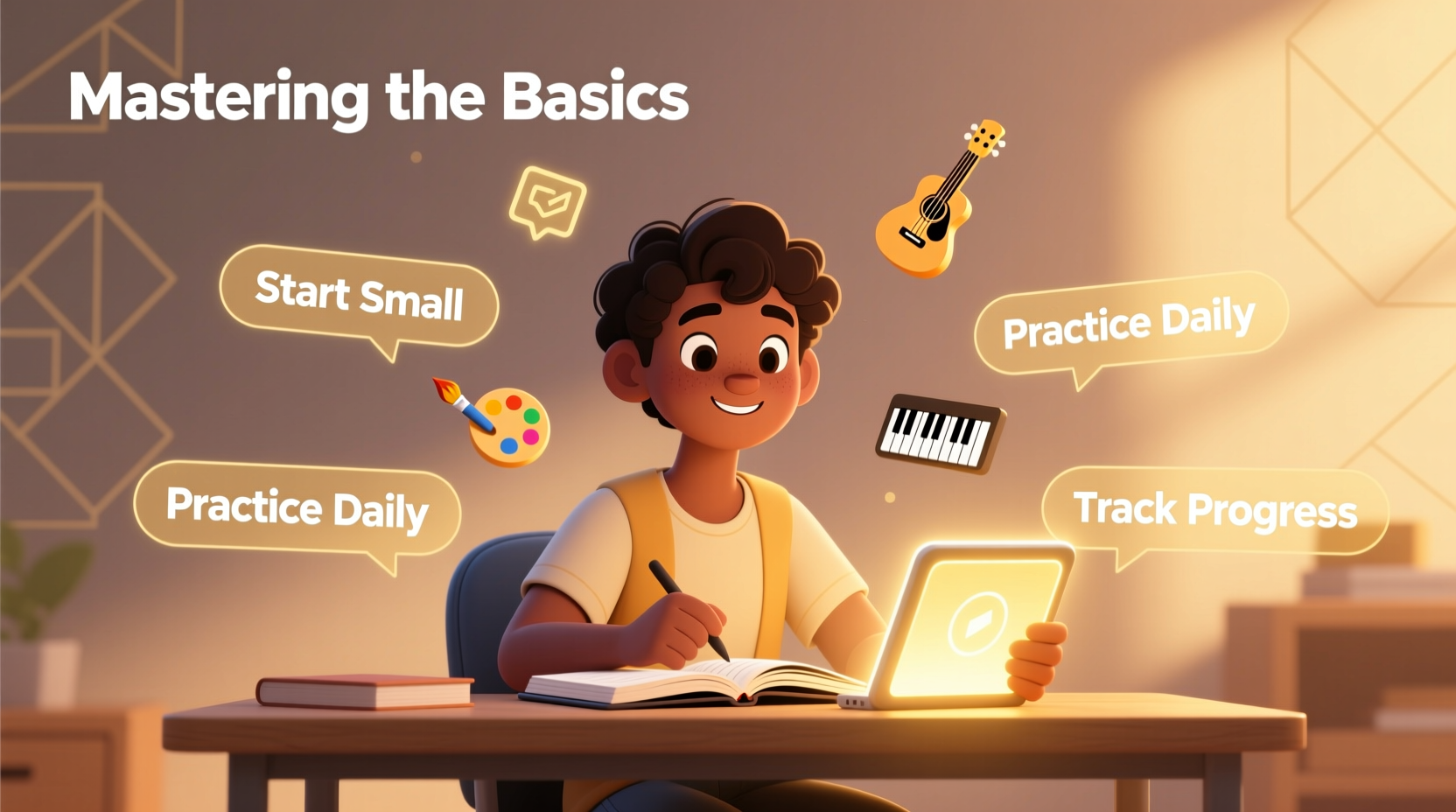
Before touching an instrument, stepping onto a field, or downloading a game, your mental approach determines how far you’ll go. The belief that skills are fixed—that you’re either “born with it” or not—is outdated. Modern research supports the concept of neuroplasticity: your brain adapts and grows with effort.
Adopt a growth mindset. Instead of thinking, “I’m bad at this,” reframe it as, “I’m not good at this yet.” This small shift removes pressure and opens space for learning. Progress isn’t linear. Some days will feel like breakthroughs; others may seem like setbacks. What matters is showing up consistently and viewing every experience as feedback, not failure.
2. Break Down the Skill into Manageable Parts
Trying to learn everything at once leads to frustration. Instead, use task segmentation: break the activity into smaller, digestible components. For example, if you’re learning guitar, don’t start with full songs. Begin with finger placement, then single notes, then simple chords, then chord transitions.
This method applies universally. In sports, isolate fundamentals—dribbling before passing, serving before strategy. In games, master controls before tactics. By focusing on micro-skills, you build muscle memory and cognitive fluency without overload.
“Mastery is not about doing the extraordinary. It’s about repeating the ordinary with precision and care.” — Dr. Lena Torres, Cognitive Performance Coach
Step-by-Step Guide to Building Foundational Skills
- Identify core components of the activity (e.g., rhythm, hand-eye coordination, rules).
- Select one element to focus on for the first week.
- Practice daily for 15–20 minutes with full attention.
- Record your progress—use notes, audio, or video to track improvements.
- Add complexity gradually, only after demonstrating consistent control of the current level.
3. Establish a Practice Routine That Works
Consistency beats intensity. A beginner who practices 20 minutes daily will outpace someone who plays for two hours once a week. Short, focused sessions improve retention and reduce burnout.
Design a routine that fits your lifestyle. Morning practice can sharpen focus for the day; evening sessions may serve as stress relief. Use timers to stay on track. The Pomodoro technique—25 minutes of work, 5-minute break—can help maintain concentration.
| Skill Level | Daily Practice Time | Focus Area | Weekly Goal |
|---|---|---|---|
| Beginner (Weeks 1–4) | 15–20 min | Fundamentals & form | Complete basic drills 5x |
| Intermediate (Weeks 5–12) | 30 min | Technique & application | Play one full piece/simulation |
| Advanced (3+ months) | 45–60 min | Creativity & refinement | Perform or compete confidently |
4. Learn from Real Mistakes: A Mini Case Study
Jamal, a 28-year-old office worker, decided to learn chess to improve strategic thinking. Excited, he downloaded an app and jumped into ranked matches. Within days, he lost ten games in a row. Discouraged, he almost quit.
Instead, he changed his approach. He paused competitive play and spent two weeks studying basic openings, practicing puzzles, and reviewing grandmaster games. He set a rule: no real games until he could solve 20 beginner puzzles correctly in under 10 minutes.
After three weeks of structured learning, Jamal returned to play. He won six of his next ten games. More importantly, he understood why he won—or lost. His confidence grew not from early victories, but from deliberate preparation.
His story shows that jumping into performance too soon sabotages progress. Skill precedes success. Preparation builds confidence.
5. Avoid Common Beginner Pitfalls
New players often repeat the same mistakes—not because they lack ability, but because they lack guidance. Recognizing these traps early can save months of frustration.
- Skipping fundamentals: Jumping to advanced moves before mastering basics leads to shaky foundations.
- Practicing without focus: Going through motions without attention yields minimal gains.
- Fear of looking foolish: Hesitating to try in front of others slows social and performance growth.
- Over-practicing too soon: Long sessions cause fatigue and injury, especially in physical activities.
- Neglecting rest: Recovery is part of learning. Sleep and downtime consolidate memory.
Do’s and Don’ts for Beginners
| Do | Don't |
|---|---|
| Warm up before playing | Rush into intense play cold |
| Record and review your sessions | Assume you remember your errors |
| Ask for feedback from experienced players | Avoid criticism out of pride |
| Use slow motion or simplified modes to learn | Insist on “real” conditions from day one |
Essential Checklist for Starting Strong
- Choose one specific activity to master (e.g., piano, tennis, Minecraft survival mode).
- Gather the necessary tools (instrument, gear, software, access).
- Define your first micro-goal (e.g., play C major scale, complete tutorial level).
- Schedule daily practice time in your calendar.
- Find a learning resource (app, book, instructor, YouTube channel).
- Set up a distraction-free practice space.
- Track progress weekly with notes or recordings.
- Join a community (online forum, local group) for support.
FAQ: Common Questions from New Players
How long does it take to feel confident playing?
Most beginners report noticeable improvement within 2–4 weeks of consistent practice. Confidence typically follows competence—so focus on showing up regularly rather than waiting to \"feel ready.\"
Should I get a coach or teacher early on?
For physical or technical skills (music, sports, coding games), early coaching prevents bad habits. Even a few introductory lessons can save months of correction later. For casual play, self-learning works—but feedback accelerates growth.
What if I keep making the same mistake?
Repeating errors is normal. Isolate the moment of failure. Slow down. Practice that exact movement or decision in isolation. Often, the fix lies in timing or awareness, not ability.
Conclusion: Your First Move Matters Most
Mastery begins not with flawless execution, but with the courage to begin. Every expert was once a beginner who chose to keep going. The tips, routines, and strategies outlined here are not shortcuts—they are reliable paths used by learners across disciplines.
You don’t need special talent. You need clarity, consistency, and the willingness to embrace awkward beginnings. Pick your game, set your first tiny goal, and take that first step today. Confidence isn’t the starting point—it’s the result of showing up, again and again.




 浙公网安备
33010002000092号
浙公网安备
33010002000092号 浙B2-20120091-4
Comments
No comments yet. Why don't you start the discussion?