
The Pokémon Trading Card Game (TCG) has captivated players worldwide since its debut in 1996. More than just colorful cards with beloved characters, it’s a strategic game of resource management, foresight, and calculated risk. For newcomers, the game can seem overwhelming—counters, energy types, evolution stages, and special abilities all come into play. But with clear guidance, anyone can go from confused beginner to confident player. This guide breaks down everything you need to know to start playing effectively and enjoyably.
Understanding the Basics of the Pokémon TCG
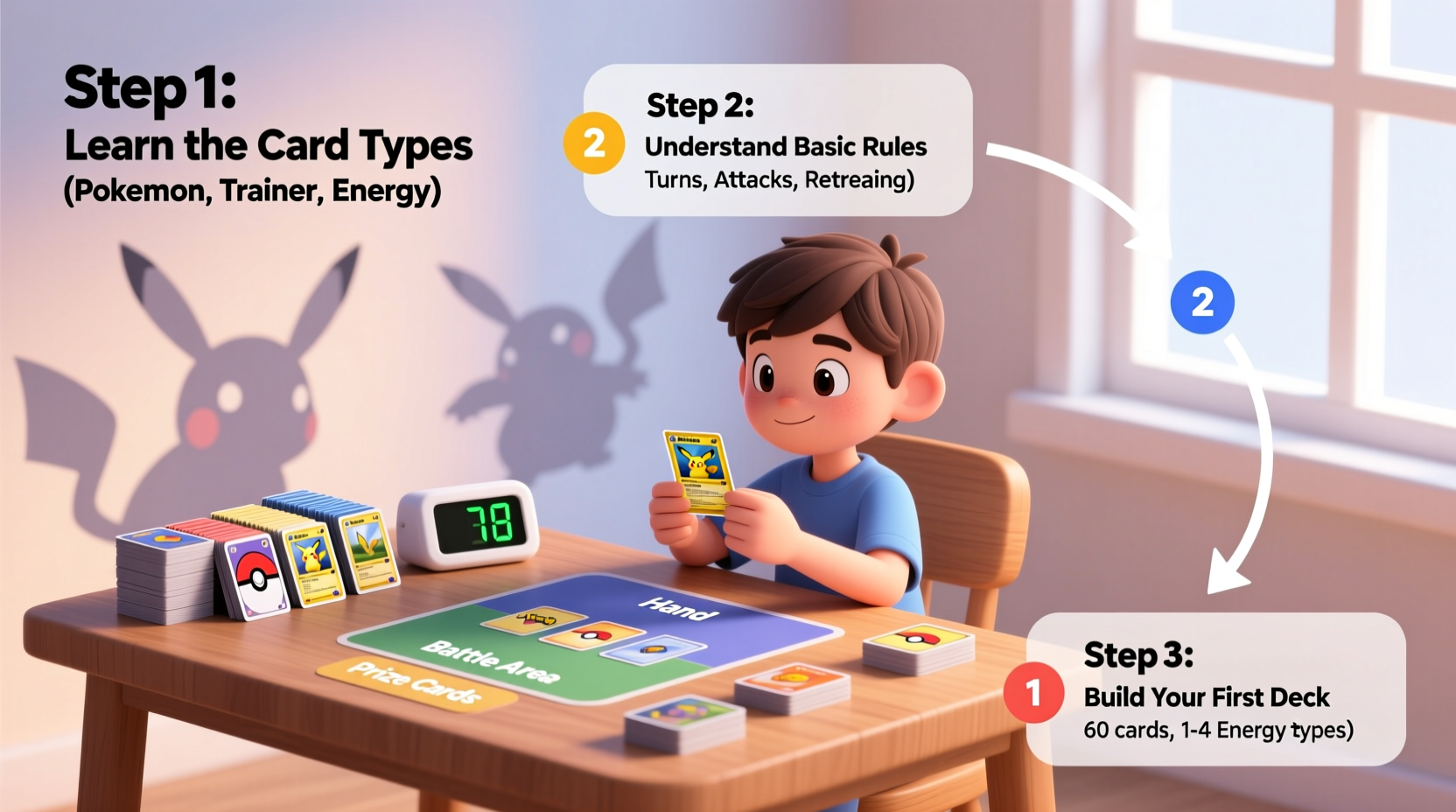
At its core, the Pokémon TCG is a two-player game where each trainer uses a deck of 60 cards to battle using their Pokémon. The goal is to knock out six of your opponent’s Pokémon by reducing their HP to zero—achieved by dealing damage through attacks. Each match involves drawing cards, playing Pokémon, attaching Energy, evolving creatures, and launching attacks.
The three main card types are:
- Pokémon Cards: These represent the creatures you use to battle. They have HP, types, attacks, and may evolve from or into other Pokémon.
- Energy Cards: These power your Pokémon’s attacks. Most attacks require a certain number and type of Energy (e.g., Lightning, Fire, Grass).
- Trainer Cards: These provide strategic advantages—drawing extra cards, healing Pokémon, or manipulating the board state.
A standard deck must contain exactly 60 cards, with no more than four copies of any single card (except basic Energy, which has no limit).
Step-by-Step Guide to Your First Game
- Build or Use a Pre-Constructed Deck: Beginners should start with a ready-made theme deck or a starter set like “VSTAR Universe” or “Scarlet & Violet Base Set.” These decks are balanced and teach fundamental mechanics.
- Shuffle and Draw Initial Hands: Shuffle your deck thoroughly. Each player draws seven cards. If you don’t have at least one Basic Pokémon, reveal your hand, shuffle it back in, and draw seven new cards (this is called a mulligan).
- Set Up the Active and Bench Pokémon: Place one Basic Pokémon as your Active Pokémon. You may place up to five others on your Bench (total of six Pokémon in play).
- Determine Who Goes First: Flip a coin or roll a die. The winner chooses whether to go first (but cannot attack on their first turn).
- Take Turns: On your turn, follow this sequence:
- Draw a card.
- Play one Basic Pokémon from your hand to your Bench (if space allows).
- Evolve your Pokémon if conditions are met (e.g., having the right pre-evolution in play).
- Attach one Energy card to a Pokémon (only one per turn unless an ability allows more).
- Use Trainer cards.
- Attack—if your Active Pokémon has enough Energy and isn’t asleep, paralyzed, etc.
- Knock Out and Take Prize Cards: When a Pokémon is reduced to 0 HP, it’s knocked out. The attacker takes one of their six Prize cards. The first to take all six wins.
Building Your First Deck: A Practical Checklist
Once you’re comfortable with gameplay, creating your own deck is a rewarding next step. Use this checklist to ensure balance and functionality:
- ✅ 18–24 Energy cards (match types to your Pokémon)
- ✅ 12–15 Pokémon (include 4 Basic Pokémon of your main type)
- ✅ 20–25 Trainer cards (mix of Supporters, Items, and Stadiums)
- ✅ No more than four copies of any non-Energy card
- ✅ Include at least one way to draw extra cards (e.g., Professor’s Research, Iono)
- ✅ Ensure your main attacker can be powered consistently
Common Mistakes and What to Avoid
New players often make avoidable errors that slow progress. Recognizing these early helps build better habits.
| Mistake | Why It’s a Problem | What to Do Instead |
|---|---|---|
| Playing too many high-stage evolutions | Slows setup; delays active attackers | Include reliable Basics and quick evolvers |
| Not attaching Energy consistently | Leaves Pokémon unable to attack | Prioritize Energy attachment every turn possible |
| Using all Supporter cards early | Limits options later; wastes powerful effects | Save key Supporters for critical turns |
| Ignoring status conditions | Forgets paralysis, sleep, burn effects | Track conditions and plan around them |
Real Example: Alex’s First Tournament Experience
Alex, a 12-year-old beginner, entered his first local league tournament with a Charizard VMAX deck he built from booster packs. Excited but unprepared, he quickly lost his first match—he had only eight Fire Energy and relied heavily on Stage 2 Pokémon. He couldn’t evolve fast enough and missed Energy attachments.
After reviewing the game with a judge, Alex rebuilt his deck: he added 18 Fire Energy, included four Rapid Strike Urza as consistent attackers, and added draw Supporters like Cynthia’s Wishes. In his next event, he won three matches, learning that consistency beats flashy cards.
His experience underscores a vital truth: success comes not from owning rare cards, but from understanding synergy and reliability.
“New players often chase powerful Pokémon without considering setup time. A well-balanced deck with smooth energy acceleration will beat a ‘best’ deck that can’t function consistently.” — Jordan Tran, Pokémon TCG Judge and Tournament Organizer
Advanced Tips for Faster Progress
While mastering the basics is essential, incorporating subtle strategies accelerates improvement.
- Control Your Prize Cards: Keep track of which cards you place as Prizes. If you have key Supporters or powerful Pokémon, consider mulliganing aggressively to avoid losing them early.
- Manage Your Hand Size: Holding too many cards risks discarding valuable ones if an opponent plays a card like “Iono” or “Boss’s Orders.” Aim to play or use cards proactively.
- Anticipate the Opponent’s Moves: Watch what they prize and play. If they prize a strong attacker early, they might lack it later. Use this to time your heals or retreats.
- Practice Resource Management: Don’t waste Energy or Supporters unless necessary. Sometimes, passing the turn to preserve resources is the best move.
Frequently Asked Questions
Can I attack on my first turn?
No. The player who goes first skips the attack phase during their first turn. This balances the advantage of going first.
How many times can I evolve a Pokémon in one turn?
You can evolve a Pokémon once per turn, provided it’s your Pokémon and it wasn’t played from your hand that turn. Evolution chains (e.g., Zigzagoon → Linoone → Obstagoon) can be completed over multiple turns.
What happens when I run out of cards in my deck?
If you must draw a card and your deck is empty, you lose the game. This is called decking out. Avoid this by managing your deck size and draw effects wisely.
Conclusion: Start Playing, Keep Learning
Learning how to play Pokémon cards is more than memorizing rules—it’s about developing strategy, patience, and adaptability. Every match teaches something new, whether you win or lose. Begin with simple decks, focus on consistency, and gradually experiment with combos and meta strategies.
The community is welcoming, tournaments are accessible, and digital versions like Pokémon TCG Live offer free practice. There’s no better time to start.




 浙公网安备
33010002000092号
浙公网安备
33010002000092号 浙B2-20120091-4
Comments
No comments yet. Why don't you start the discussion?