
Learning a new skill—whether it’s playing an instrument, mastering a sport, coding, or painting—requires more than just repetition. True mastery comes from how you practice, not just how much. The difference between those who plateau and those who improve rapidly lies in the quality of their engagement. “Playing” is not passive; when done right, it becomes a dynamic form of exploration, feedback, and refinement. This article breaks down actionable strategies to transform your approach to learning, so every session moves you closer to expertise.
The Science Behind Effective Practice
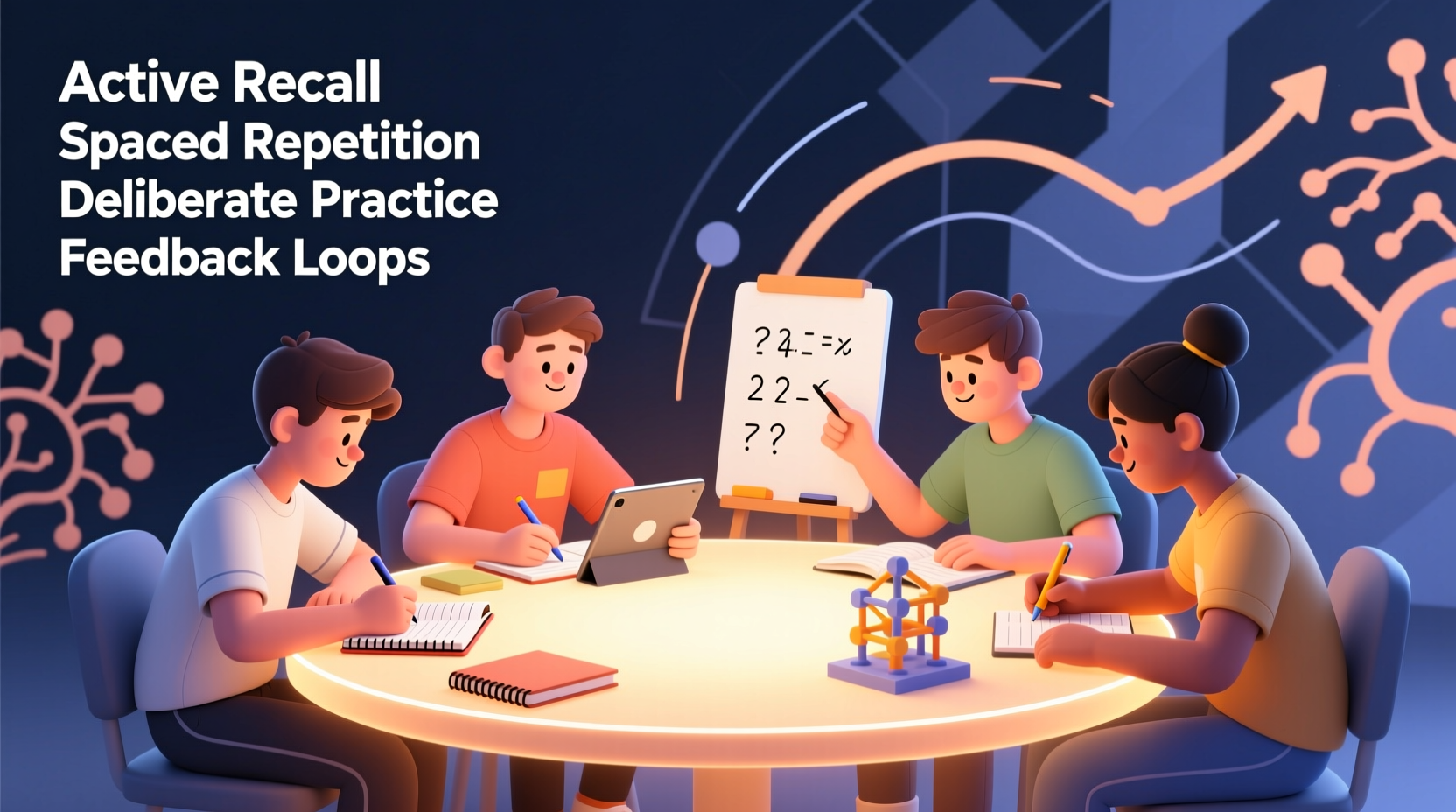
Research in cognitive psychology and motor learning consistently shows that deliberate, focused practice leads to faster skill acquisition than mindless repetition. Anders Ericsson, a leading expert on expertise, coined the term “deliberate practice,” which emphasizes setting specific goals, receiving immediate feedback, and pushing beyond comfort zones. This method isn’t about grinding longer hours—it’s about practicing smarter.
When you engage in deliberate practice, you activate neuroplasticity: your brain physically rewires itself based on repeated, purposeful effort. Skills become automated through myelination—the process by which neural pathways are insulated, making signals faster and more accurate. But this only happens when practice is intense, error-focused, and reflective.
“Mere experience doesn’t lead to improvement. It’s the intention behind each action that builds mastery.” — Dr. K. Anders Ericsson, Psychologist and Author of *Peak*
Step-by-Step Guide to Structured Skill Development
Improvement doesn’t happen by accident. A structured approach ensures consistent progress. Follow this five-phase timeline to build skills effectively over time:
- Define Your Objective: Identify exactly what you want to master. Instead of “get better at guitar,” aim for “play a full blues progression cleanly at 90 BPM.” Specificity creates clarity.
- Break It Down: Divide the skill into micro-components. For example, if learning tennis, separate footwork, serve mechanics, backhand technique, and game strategy.
- Practice in Focused Bursts: Use 20–30 minute sessions with zero distractions. Focus on one sub-skill per session. Afterward, reflect: What felt off? Where did I hesitate?
- Seek Feedback: Record yourself, use apps, or consult mentors. External input reveals blind spots no amount of solo practice can uncover.
- Iterate and Integrate: Refine weak areas, then combine components. Play full songs, simulate real games, or run timed drills to test integration under pressure.
Optimizing Your Learning Environment
Your surroundings shape your performance. A cluttered space, constant notifications, or poor lighting can sabotage even the best intentions. Create a dedicated zone where focus is the default state.
- Eliminate digital distractions: Use website blockers or airplane mode during sessions.
- Keep tools within reach: Instruments, notebooks, or equipment should be ready to use.
- Use environmental cues: A specific lamp, playlist, or ritual (like stretching or deep breathing) signals your brain it’s time to focus.
- Control noise levels: Some prefer silence; others benefit from low ambient sound. Test what enhances concentration without causing distraction.
Do’s and Don’ts of Practice Setup
| Do | Don't |
|---|---|
| Practice at the same time daily to build habit strength | Wait for motivation—action precedes motivation |
| Warm up with simple drills to prime coordination | Jump straight into complex tasks cold |
| Track progress weekly with notes or recordings | Rely solely on memory to assess improvement |
| End each session with a win—even small progress counts | Finish frustrated or overwhelmed |
The Role of Play in Mastery
While structure is essential, so is play. Many learners burn out because they treat practice like work without joy. True mastery includes experimentation, improvisation, and curiosity. Musicians jam. Coders tinker. Athletes scrimmage. These are forms of play that reinforce learning through freedom and creativity.
Play allows you to apply skills in unpredictable contexts, building adaptability. When you improvise a melody or try a new move in a game, you’re testing knowledge under real conditions. This strengthens retention and confidence.
“Children learn fastest not through instruction, but through unstructured play. Adults forget this—but it still works.” — Dr. Stuart Brown, Founder of the National Institute for Play
Mini Case Study: From Struggling Beginner to Confident Performer
Lena, a 28-year-old amateur pianist, had been stuck for years. She could play simple pieces but froze during performances. Her practice routine was inconsistent—sometimes 30 minutes, sometimes two hours, often while watching TV.
She decided to apply deliberate practice principles. First, she defined a clear goal: perform Chopin’s *Prelude in E Minor* without errors in front of friends within 12 weeks. She broke the piece into four sections, practiced one per week in 25-minute blocks, and recorded each attempt. She identified recurring mistakes in transitions and slowed the tempo to correct finger placement.
Every Friday, she played for a friend who gave honest feedback. On weekends, she allowed herself to improvise using the same key and mood—pure play. By week 10, she could play the entire piece smoothly. At her mini-recital, she performed confidently, not perfectly—but with expression and control.
Lena didn’t practice more than before. She practiced better.
Essential Checklist for Sustainable Progress
To ensure long-term growth, integrate these habits into your routine:
- ✅ Set a clear, measurable skill goal
- ✅ Break the skill into manageable parts
- ✅ Schedule daily practice (even 15 minutes)
- ✅ Use a timer to maintain focus
- ✅ Record or journal after each session
- ✅ Seek feedback at least once a week
- ✅ Include one “play-only” session weekly
- ✅ Review progress every 7 days and adjust
Frequently Asked Questions
How long does it take to master a skill?
There’s no fixed timeline. Mastery depends on complexity, consistency, and method. Basic proficiency in many skills can take 3–6 months with daily deliberate practice. High-level mastery may require thousands of hours. Focus on progress, not perfection.
Is it better to practice daily or in longer weekly sessions?
Daily short sessions are far more effective. Spaced repetition strengthens memory and motor skills. Even 15 minutes daily builds momentum and reduces mental resistance compared to infrequent marathons.
What if I feel stuck or demotivated?
Plateaus are normal. Reassess your goals, change your approach, or revisit fundamentals. Sometimes stepping back to simplify renews clarity. Also, revisiting old recordings or notes shows hidden progress that feels invisible day-to-day.
Conclusion: Start Playing with Purpose
Mastery isn’t reserved for prodigies. It’s accessible to anyone willing to practice with intention, embrace feedback, and balance discipline with play. The most effective learners aren’t the ones who practice the most—they’re the ones who pay attention, adapt quickly, and enjoy the process.
You don’t need more time. You need better methods. Begin today: pick one micro-skill, focus for 20 minutes, and notice what happens. Track it. Reflect. Repeat. Over time, these small acts compound into remarkable ability.




 浙公网安备
33010002000092号
浙公网安备
33010002000092号 浙B2-20120091-4
Comments
No comments yet. Why don't you start the discussion?