
Games have evolved from simple pastimes into complex systems of skill, strategy, and psychology. Whether you're stepping into board games, video games, or competitive sports, the principles of mastery remain consistent. For beginners, the journey can feel overwhelming—rules to learn, opponents to outthink, and skills to develop. But with the right approach, anyone can move from confusion to confidence. This guide breaks down the foundational strategies that accelerate learning, sharpen decision-making, and build lasting competence across any game.
Understand the Core Objectives and Rules Deeply
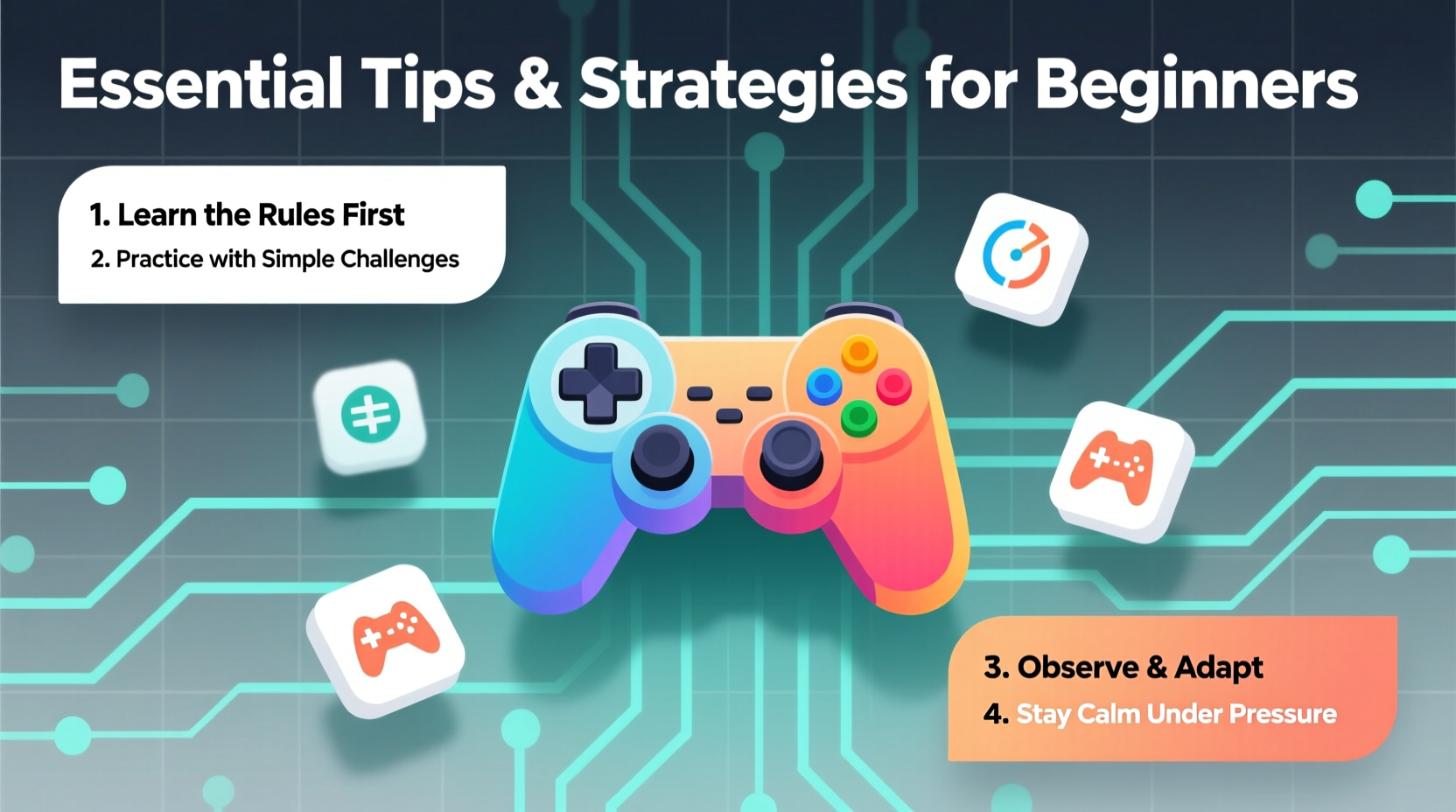
Before making advanced moves, ensure you fully grasp the purpose of the game. Many beginners rush into playing without internalizing the win conditions, leading to repeated losses and frustration. Take time to read the rulebook thoroughly—not just once, but multiple times. Play a few practice rounds focusing only on legal moves and outcomes.
For digital games, use tutorial modes or sandbox environments. In physical games like chess or poker, study annotated examples of beginner-level matches. Knowing not just what is allowed, but why certain actions are effective, builds a strong foundation.
Develop a Consistent Practice Routine
Mastery comes not from occasional bursts of effort, but from regular, focused practice. Allocate dedicated time each week to engage with the game. Quality matters more than quantity—30 minutes of deliberate practice is better than two hours of passive repetition.
Break your sessions into structured segments:
- Warm-up (5–10 min): Review basic mechanics or replay key scenarios.
- Skill Drill (15–20 min): Focus on one specific ability—like positioning in chess or timing attacks in fighting games.
- Full Game Simulation (15–30 min): Apply what you’ve practiced in real-time conditions.
- Review (10 min): Analyze mistakes and note patterns.
“Deliberate practice isn’t about playing more—it’s about playing smarter.” — Dr. Linda Pham, Cognitive Performance Researcher
Learn From Losses, Not Just Wins
Beginners often fixate on winning, but progress hides in defeat. Every loss reveals a gap in knowledge or execution. Instead of reacting emotionally, adopt a post-game review process.
Ask yourself three questions after each session:
- Where did I make my first critical mistake?
- What could I have done differently with perfect information?
- Did I repeat a pattern from previous losses?
Mini Case Study: Learning Through Failure in Online Chess
Carlos, a new chess player, lost eight straight matches online. Frustrated, he nearly quit. Instead, he began saving his games and reviewing them using a free analysis tool. He discovered a recurring error: moving his queen too early. Once aware, he practiced opening strategies that prioritized pawn structure and knight development. Within three weeks, his win rate improved from 15% to 58%. The turning point wasn’t talent—it was reflection.
Adopt Proven Strategies Based on Game Type
Different games demand different mental models. Recognize the category your game belongs to and apply appropriate strategies.
| Game Type | Core Strategy | Beginner Pitfall |
|---|---|---|
| Turn-Based Strategy (e.g., Chess, Go) | Think 2–3 moves ahead; control center space | Reacting impulsively instead of planning |
| Real-Time Games (e.g., MOBAs, FPS) | Map awareness and positioning over kills | Chasing kills and ignoring objectives |
| Card Games (e.g., Poker, Uno) | Manage risk and bluff selectively | Bluffing too often or folding too quickly |
| Cooperative Games (e.g., Pandemic, Among Us) | Communicate clearly and share information | Playing solo instead of teaming up |
| Physical Sports (e.g., Basketball, Tennis) | Master fundamentals before flashy moves | Trying dunks or trick shots too soon |
Understanding these distinctions helps tailor your learning path. A chess player should prioritize patience and calculation, while an FPS newcomer benefits most from mastering movement and aiming basics.
Build Mental Toughness and Avoid Tilt
\"Tilt\" refers to emotional frustration that impairs judgment. It’s common when losing streaks occur or when facing skilled opponents. Managing emotions is as vital as knowing the rules.
To stay composed:
- Take a 5-minute break after three consecutive losses.
- Use calming breathing techniques: inhale for four counts, hold for four, exhale for six.
- Avoid playing when tired or stressed—performance drops significantly.
“Top players don’t win every match. They just lose without breaking their rhythm.” — Marcus Tran, Esports Coach
Checklist: Your First 30 Days of Game Mastery
Follow this step-by-step plan to build momentum:
- Choose one primary game to focus on.
- Study the official rules and watch three beginner tutorials.
- Play five practice rounds with no pressure to win.
- Create a game journal to log results and insights.
- Identify one weak area (e.g., defense, timing) and drill it for 15 minutes daily.
- Join a beginner-friendly community or forum.
- Record and analyze one full game per week.
- Set a measurable goal (e.g., “Win 5 matches” or “Reach Rank D”).
Frequently Asked Questions
How long does it take to get good at a new game?
With consistent practice, most beginners see noticeable improvement within 4–6 weeks. True proficiency typically takes 3–6 months, depending on complexity and time invested. Daily 30-minute sessions yield faster results than sporadic weekend marathons.
Should I learn from videos or books first?
Start with short instructional videos to grasp visual mechanics, then reinforce with written guides for deeper understanding. Videos help with \"how,\" while books explain \"why.\" Combine both for best results.
Is it okay to use guides or walkthroughs as a beginner?
Yes—using guides is not cheating. Even professional gamers study strategies created by others. The key is to understand the reasoning behind the advice, not just copy moves blindly.
Conclusion: Start Playing With Purpose
Mastering how to play the games isn’t about innate talent. It’s about intention, consistency, and learning from every interaction. Begin with clarity of purpose, train with discipline, and reflect with honesty. Every expert was once a beginner who decided to keep going. Now that you have the tools, the next move is yours.




 浙公网安备
33010002000092号
浙公网安备
33010002000092号 浙B2-20120091-4
Comments
No comments yet. Why don't you start the discussion?