
Poached eggs are a hallmark of refined simplicity in cooking—delicate, silky, and rich with flavor when done right. Yet for many home cooks, they remain elusive: wispy whites, overcooked yolks, or worse, eggs that fall apart before they even reach the plate. The truth is, perfect poached eggs don’t require professional equipment or years of experience. With attention to water temperature, freshness, and technique, anyone can achieve restaurant-quality results at home.
The key lies not in mystery, but in understanding the science behind the process. Egg whites begin to coagulate around 140°F (60°C), while yolks set closer to 158°F (70°C). This narrow window means precision matters. Too hot, and the egg scrambles; too cool, and it never sets. Master this balance, and you’ll have poached eggs with firm yet tender whites and a luxuriously runny center—ideal for topping avocado toast, enriching salads, or elevating Eggs Benedict.
The Science Behind a Perfect Poach
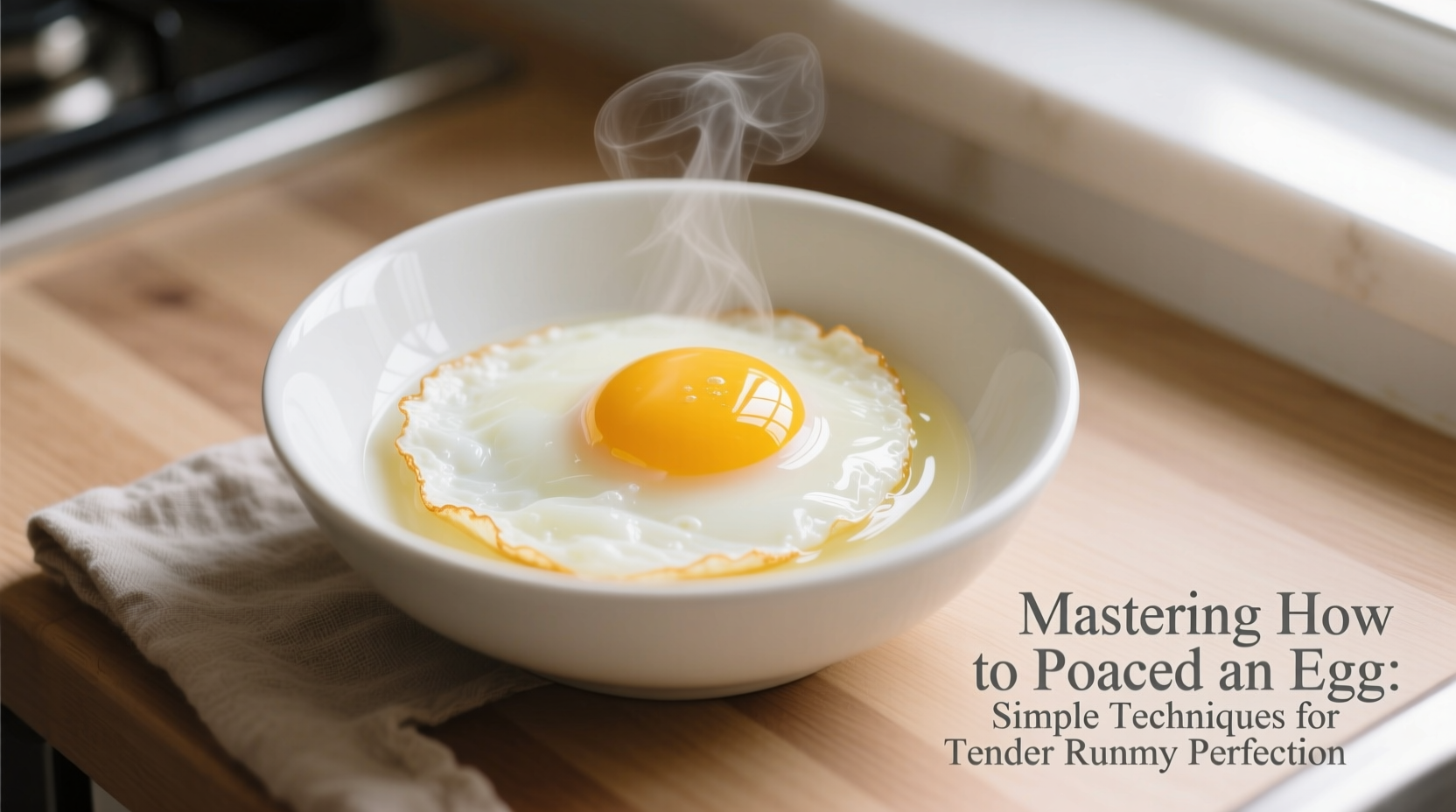
Egg structure plays a crucial role in poaching success. Fresh eggs contain tighter albumen—the thick, viscous layer surrounding the yolk—which holds its shape better during cooking. As eggs age, carbon dioxide escapes through porous shells, increasing pH and weakening protein bonds. This causes the white to spread excessively in water, creating stringy filaments instead of a compact dome.
Acidity also affects coagulation. Adding vinegar to simmering water lowers the pH, helping proteins denature and set faster. While some chefs argue vinegar imparts a sharp taste, using it sparingly (about one teaspoon per quart) accelerates setting without compromising flavor. Salt, meanwhile, seasons gently and slightly raises the coagulation temperature, allowing more control over texture.
“The best poached egg walks the line between delicacy and structure. It should hold together long enough to lift from the water, then yield effortlessly to the touch.” — Chef Clara Nguyen, Culinary Instructor at The Pacific Kitchen
Step-by-Step Guide to Flawless Poached Eggs
Follow this method for consistent, elegant results:
- Select fresh eggs (preferably within 7–10 days of purchase). Older eggs disperse more easily in water.
- Fill a deep skillet or saucepan with about 3 inches of water. Add 1 tsp white vinegar and ½ tsp salt per quart of water.
- Heat water to a gentle simmer (180–190°F). Look for small bubbles rising from the bottom, but no rolling boil.
- Crack each egg into a small bowl or ramekin. This allows controlled entry into the water.
- Stir the water to create a slow vortex. Pour the egg into the center of the swirl. The motion wraps the white around the yolk.
- Cook for 3–4 minutes. For very soft yolks, aim for 3 minutes; for slightly firmer centers, go to 4.
- Remove with a slotted spoon. Drain briefly on a paper towel to absorb excess water.
- Serve immediately. Poached eggs do not reheat well and are best enjoyed fresh.
Do’s and Don’ts of Egg Poaching
| Do | Don’t |
|---|---|
| Use fresh eggs for tighter whites | Use cracked or old eggs—they’ll disintegrate |
| Simmer, don’t boil—violent bubbles break eggs apart | Drop eggs into boiling water |
| Add vinegar to help whites set quickly | Overdo vinegar—it can affect taste |
| Strain eggs through a fine sieve to remove loose whites | Pour eggs directly from shell without prep |
| Create a whirlpool to wrap whites around yolks | Let eggs sit idle in still water |
Advanced Technique: The Strained-Egg Method
For the most refined poached eggs—those seen in high-end brunch spots—many chefs use a technique involving pre-straining. This removes the thin, watery outer albumen, leaving only the thick, gelatinous portion that holds shape beautifully.
To strain an egg:
- Crack a cold egg into a fine-mesh sieve placed over a bowl.
- Gently shake or press lightly to allow loose liquid to drain.
- Transfer the strained egg to a small dish before poaching.
This extra step reduces wispy edges dramatically and yields a compact, restaurant-grade poach. Though slightly more labor-intensive, it’s ideal for special occasions or when presentation matters.
Real Example: From Kitchen Failure to Brunch Success
Sarah, a home cook in Portland, used to avoid poached eggs entirely after repeated failures—her whites always turned into feathery clouds, and her yolks broke during plating. She switched tactics after learning two key tips: using ultra-fresh farm eggs and straining them before cooking. She also began heating water to a true simmer, monitored with a thermometer. Within a week, she was confidently serving flawless poached eggs atop sourdough and sautéed spinach for weekend guests. “It felt like unlocking a secret code,” she said. “Now I make them twice a week.”
Tips for Consistent Results
Frequently Asked Questions
Can I poach multiple eggs at once?
Yes, but limit to 2–3 at a time depending on pan size. Add each egg to the vortex one after another, spacing them evenly. Overcrowding lowers water temperature and increases collision risk.
Is vinegar necessary?
Not strictly, but it helps. Without vinegar, use fresher eggs and ensure water is at a steady simmer. Straining the egg beforehand becomes even more important if skipping vinegar.
Why does my yolk break during cooking?
A fragile yolk often comes from older eggs or rough handling. Always crack eggs gently into a bowl first, and avoid stirring aggressively after adding them to the water.
Essential Checklist for Perfect Poached Eggs
- ✅ Use eggs less than 10 days old
- ✅ Fill pot with 3 inches of water
- ✅ Add 1 tsp vinegar + ½ tsp salt per quart
- ✅ Heat to 180–190°F (gentle simmer)
- ✅ Crack each egg into a bowl first
- ✅ Stir water into a slow vortex
- ✅ Slide egg into center of swirl
- ✅ Cook 3–4 minutes
- ✅ Remove with slotted spoon
- ✅ Drain on paper towel and serve immediately
Conclusion
Poaching an egg isn’t magic—it’s method. With the right ingredients, tools, and timing, tender whites and flowing yolks are within reach of any home cook. Whether you’re crafting a quick breakfast or assembling an elegant brunch plate, mastering this foundational skill transforms simple ingredients into something extraordinary. The elegance of a perfectly poached egg lies in its contrast: crisp-edged yet yielding, delicate yet satisfying. Now that you know the secrets, there’s no reason to settle for anything less than perfection.




 浙公网安备
33010002000092号
浙公网安备
33010002000092号 浙B2-20120091-4
Comments
No comments yet. Why don't you start the discussion?