
Confident communication isn’t reserved for charismatic leaders or seasoned public speakers. It’s a skill cultivated through awareness, practice, and deliberate technique. Whether you're presenting in a boardroom, speaking up in a meeting, or having a difficult conversation, the ability to express yourself clearly and confidently shapes how others perceive you—and how effectively you influence outcomes. The good news? Confidence in speech isn’t innate; it’s built. With the right strategies, anyone can develop a stronger, more compelling voice.
Understanding the Foundations of Confident Speech
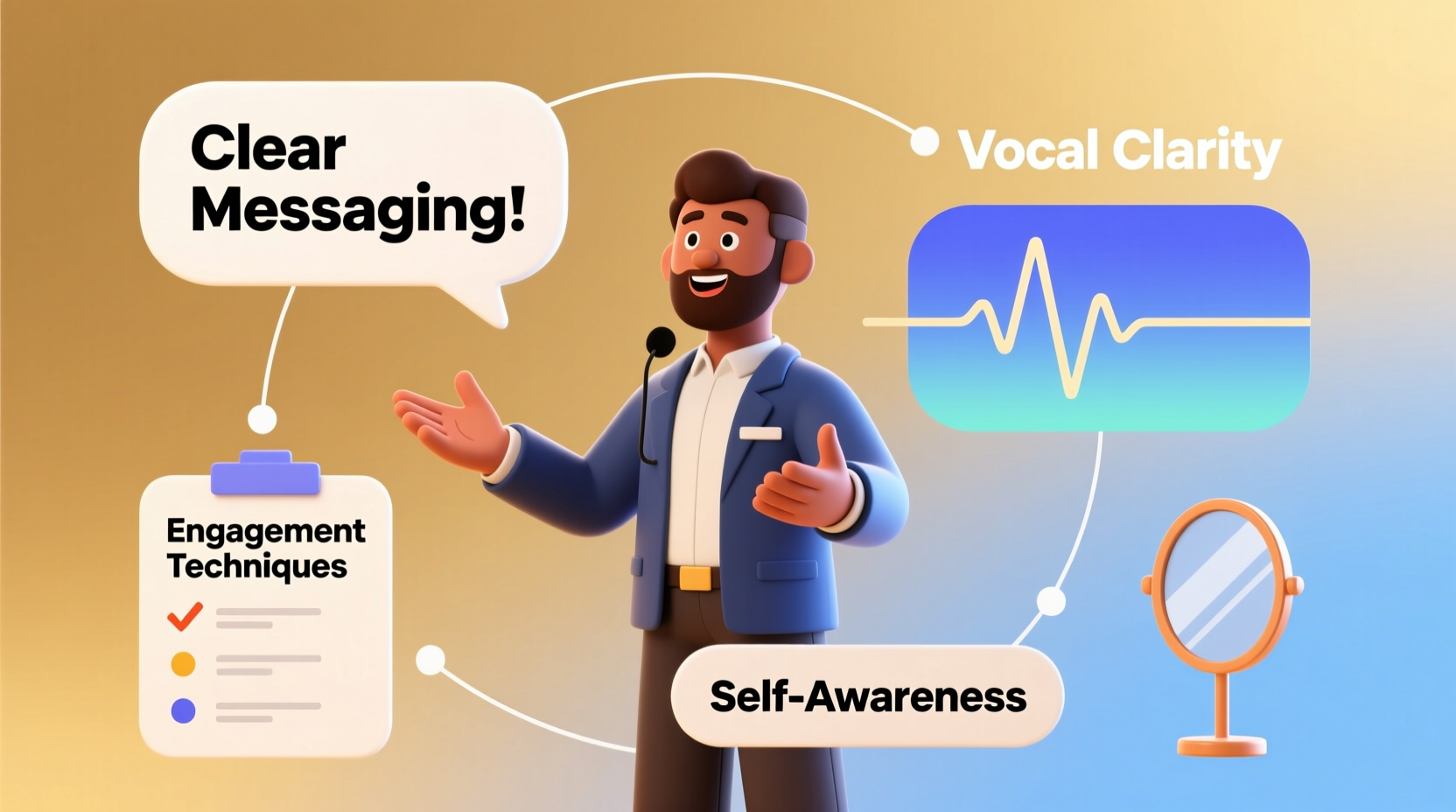
Confidence in communication stems from three core elements: clarity of thought, control of delivery, and connection with your audience. When these align, your message gains authority and resonance. Clarity ensures your ideas are well-structured and easy to follow. Control refers to your tone, pace, volume, and body language—elements that signal self-assurance. Connection means tailoring your message so it feels relevant and authentic to those listening.
Many people mistake confidence for extroversion or loudness. In reality, quiet, thoughtful speakers can be just as powerful—if not more so—when they speak with intention. The key is not volume, but presence: being fully engaged in the moment and committed to your message.
Practical Techniques to Improve Vocal Delivery
Your voice is your primary instrument. How you use it determines whether your message lands with impact or fades into background noise. Start by focusing on breath support—speaking from your diaphragm rather than your throat produces a richer, more stable tone. Practice deep belly breathing before speaking to steady your nerves and enhance vocal power.
Pace is another critical factor. Nervous speakers often rush, making their words harder to follow. Aim for a moderate rhythm, pausing deliberately after key points. These silences aren’t awkward—they’re strategic. They give your audience time to absorb information and signal that you’re in control.
Vary your pitch to maintain engagement. A flat monotone, even at a strong volume, can disengage listeners. Introduce subtle inflections to emphasize important words or transitions. Think of your voice like music: dynamics create interest.
“Your voice is an extension of your mindset. When you believe what you’re saying, your tone naturally commands attention.” — Dr. Lena Patel, Communication Psychologist
Body Language That Reinforces Confidence
Nonverbal cues often communicate more than words. Research suggests that up to 55% of communication is conveyed through body language. Standing tall with open posture signals readiness and assurance. Avoid crossed arms, fidgeting, or looking down, as these project defensiveness or uncertainty.
Maintain natural eye contact—not a fixed stare, but a soft gaze that moves between listeners. This builds trust and keeps your audience engaged. Use purposeful hand gestures to illustrate points, but avoid over-gesticulating, which can distract.
If you're seated during a conversation, lean slightly forward to show attentiveness. Keep your hands visible and relaxed. Small movements matter: nodding occasionally shows active listening, while stillness during key statements amplifies their weight.
Do’s and Don’ts of Confident Body Language
| Do | Avoid |
|---|---|
| Stand with feet shoulder-width apart | Shifting weight side to side |
| Use open palm gestures when making a point | Pointing fingers or clenched fists |
| Make natural eye contact | Staring at notes or the floor |
| Speak at a measured pace with pauses | Rushing or filling silence with “um” |
| Smile appropriately to build rapport | Forced or constant smiling |
Step-by-Step Guide to Building Speaking Confidence
Confidence grows through structured repetition. Follow this six-week progression to strengthen your speaking presence:
- Week 1–2: Self-Awareness & Recording – Speak on camera or audio for 3 minutes daily on any topic. Focus on identifying filler words (“like,” “you know”), vocal quirks, and posture.
- Week 3: Controlled Practice – Choose one improvement (e.g., reducing filler words) and rehearse short monologues with a focus on that skill.
- Week 4: Mirror Work – Deliver your message in front of a mirror. Observe facial expressions and gestures. Adjust for authenticity and openness.
- Week 5: Small Audience Exposure – Present to a trusted friend or small group. Ask for specific feedback on clarity and presence.
- Week 6: Real-World Application – Volunteer to speak in a meeting, lead a team update, or join a local speaking group like Toastmasters.
Each step builds psychological safety and competence. By the end, speaking won’t feel like performance—it will feel like expression.
Overcoming Common Barriers to Confidence
Fear of judgment, perfectionism, and past negative experiences often undermine speaking confidence. One effective strategy is cognitive reframing: instead of thinking, “I must not sound nervous,” shift to, “It’s okay to be human. My value is in my message, not perfection.”
Another barrier is lack of preparation. Uncertainty breeds anxiety. Always structure your thoughts before speaking—use a simple framework: opening statement, 2–3 supporting points, and a closing takeaway. Even impromptu remarks benefit from this skeleton.
Mini Case Study: From Hesitant to Influential
Sarah, a mid-level analyst, was known for her sharp insights—but rarely shared them in meetings. When she did, her voice was soft, and she’d often preface ideas with, “This might be silly, but…” After joining a communication workshop, she began applying structured preparation and daily vocal exercises. She started contributing one comment per meeting, using a confident tone and direct eye contact. Within three months, her manager noted her increased visibility. Six months later, she led a cross-departmental presentation—clear, composed, and persuasive. Her transformation wasn’t due to a personality overhaul, but consistent application of practical tools.
Essential Checklist for Confident Communication
- ✅ Prepare a clear message structure (point, evidence, conclusion)
- ✅ Practice aloud, focusing on pace and tone
- ✅ Breathe deeply before speaking to reduce tension
- ✅ Stand or sit with upright, open posture
- ✅ Make eye contact with different listeners
- ✅ Use pauses to emphasize key points
- ✅ Minimize filler words by slowing down
- ✅ Seek feedback and reflect on progress
FAQ
How do I stop sounding nervous when I speak?
Nervousness often shows in rapid speech and shallow breathing. Slow down intentionally and practice grounding techniques like deep breathing before speaking. Focus on your message, not your anxiety. With repetition, your body will associate speaking with safety, not threat.
What if I forget what I want to say?
Pause and breathe. Silence feels longer to you than to your audience. Have a simple recovery phrase ready, such as, “Let me rephrase that,” or “The key point here is…” Structuring your thoughts in advance reduces the likelihood of mental blocks.
Can introverts become confident speakers?
Absolutely. Introverts often excel as speakers because they tend to think before speaking, listen actively, and deliver thoughtful, meaningful contributions. Confidence comes from preparation and authenticity—not volume or extroversion.
Conclusion: Speak with Purpose, Not Perfection
Confident communication isn’t about eliminating fear or achieving flawlessness. It’s about showing up with clarity, composure, and care for your message and audience. Every conversation is an opportunity to practice, refine, and grow. The most influential speakers aren’t those who never stumble—they’re the ones who keep going with grace and conviction.




 浙公网安备
33010002000092号
浙公网安备
33010002000092号 浙B2-20120091-4
Comments
No comments yet. Why don't you start the discussion?