
Starting a car may seem like second nature to experienced drivers, but for new motorists or those returning after a long break, the process involves more than just turning a key or pressing a button. A proper understanding of vehicle ignition systems, safety protocols, and mechanical awareness ensures not only successful starts but also extends the life of your engine and prevents avoidable breakdowns. Whether you're driving a manual or automatic, gasoline or hybrid, knowing the correct steps and precautions makes all the difference.
Understanding Your Vehicle’s Ignition System
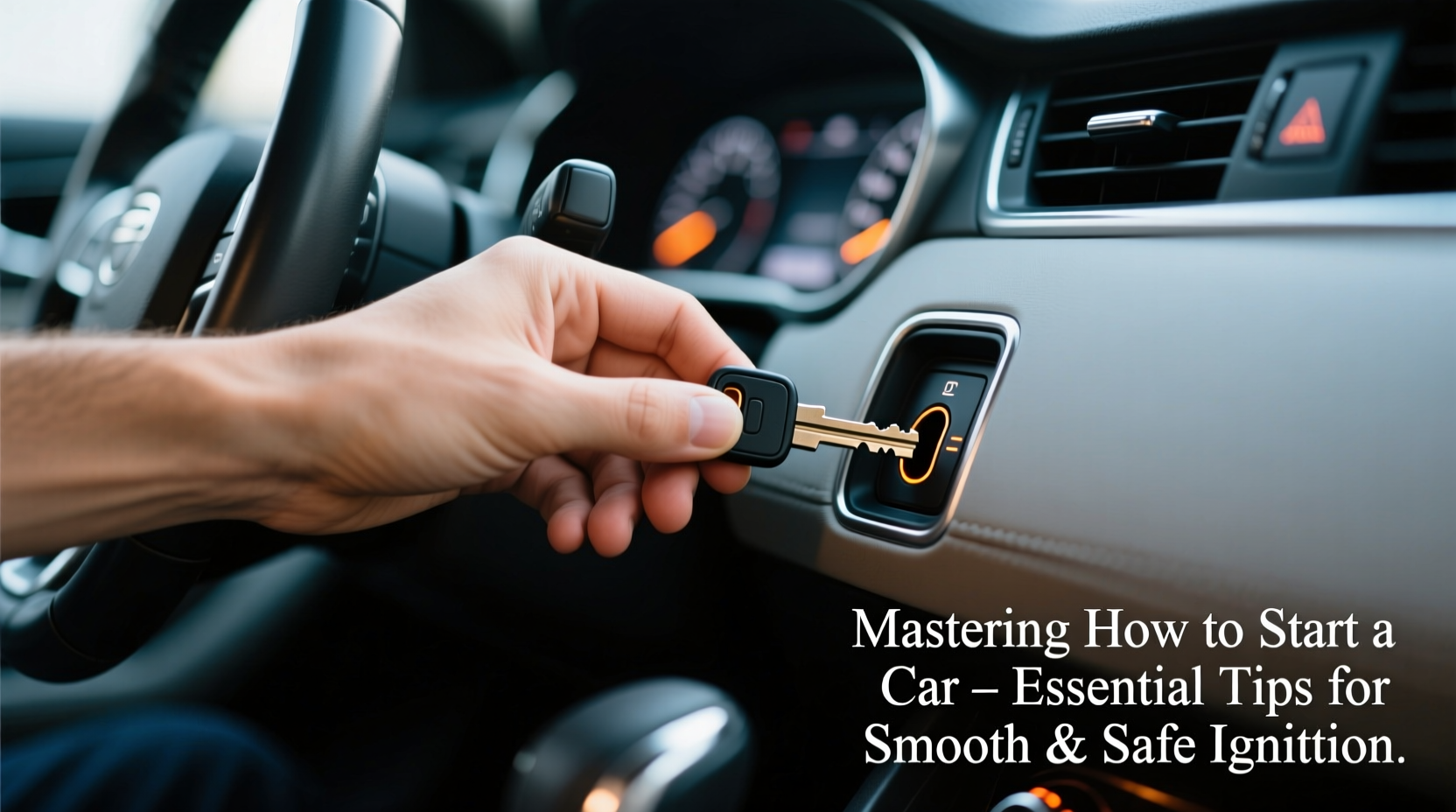
Modern vehicles come equipped with various types of ignition systems—traditional key-based starters, push-button ignitions, and even remote start features via smartphone apps. Despite technological advancements, the fundamental goal remains the same: safely engage the starter motor to crank the engine and initiate combustion.
In older models, turning the key through different positions activates electrical systems before reaching the \"start\" phase. Newer push-button systems require the driver to press the brake (or clutch in manuals) while pressing the start button, ensuring the transmission is in park or neutral. Familiarizing yourself with your specific vehicle's requirements prevents confusion and reduces wear on components.
Step-by-Step Guide to Starting a Car Safely
Following a consistent routine helps eliminate errors and promotes safety every time you get behind the wheel. Here’s a universal sequence that applies to most passenger vehicles:
- Enter the vehicle and close the door securely. Check mirrors and adjust seating position before proceeding.
- Insert the key or place the fob inside the vehicle (for keyless systems).
- Press the brake pedal fully (automatic) or depress the clutch (manual).
- Turn the key to “Start” or press the start button. Hold for no more than 3–5 seconds.
- Release immediately once the engine fires up. Prolonged cranking can damage the starter motor.
- Allow the engine to idle for 10–30 seconds, especially in cold weather, to let oil circulate.
This simple sequence becomes instinctive over time, but discipline matters—especially during rushed mornings or stressful situations.
Common Mistakes That Prevent Smooth Starts
Even seasoned drivers occasionally make errors that hinder reliable ignition. Recognizing these pitfalls improves both confidence and vehicle longevity.
- Leaving accessories on after shutdown: Lights, radios, and phone chargers drain the battery over time, leading to insufficient power at startup.
- Repeated rapid attempts without pause: Trying to restart every few seconds overheats the starter and depletes the battery quickly.
- Starting in gear (manual transmissions): This can cause sudden lurching or stalling. Always double-check the clutch is pressed and gear is neutral.
- Ignoring dashboard warning lights: A flashing battery icon or check engine light often signals underlying issues affecting ignition performance.
| Mistake | Consequence | Solution |
|---|---|---|
| Trying to start with foot off brake/clutch | No response; system blocked | Always apply brake (auto) or clutch (manual) |
| Over-cranking the engine | Starter motor overheating | Wait 15–20 seconds between attempts |
| Using remote start in locked garage | Carbon monoxide buildup risk | Ensure ventilation or disable feature |
| Fuel tank nearly empty | Poor fuel pressure; hard start | Maintain at least ¼ tank, especially in winter |
Real-World Scenario: Winter Morning Struggles
Jamal lives in northern Michigan, where temperatures regularly drop below -15°C (5°F). One morning, his SUV wouldn’t start despite multiple attempts. The engine turned slowly, then stopped. After calling roadside assistance, the technician explained that the battery had weakened due to age and cold exposure. Additionally, Jamal admitted he’d left the interior lights on overnight after grocery shopping.
The technician replaced the battery and advised him to install a block heater for future winters. He also recommended keeping the vehicle garaged when possible and using a battery maintainer during extended periods of non-use. Since implementing these changes, Jamal hasn’t faced another failed start—even during subzero conditions.
“Cold weather reduces battery efficiency by up to 40%. Combine that with poor maintenance habits, and failure rates spike dramatically.” — Linda Ruiz, ASE-Certified Automotive Technician
Essential Pre-Start Checklist
Before attempting to ignite your engine, run through this quick mental checklist to ensure optimal conditions:
- ✅ Foot on brake (automatic) or clutch (manual)
- ✅ Gear selector in Park or Neutral
- ✅ Keys/fob present and functional
- ✅ No illuminated warning lights (oil, battery, engine)
- ✅ Fuel level adequate (not near empty)
- ✅ Steering wheel unlocked (if applicable)
- ✅ Exterior lights off unless needed
Frequently Asked Questions
Why does my car click but not start?
A clicking sound usually indicates a weak or dead battery. The solenoid engages, but there isn't enough power to turn the starter motor. Try jump-starting the vehicle or charging the battery. If the issue persists, have the battery and alternator tested.
Is it bad to hold the key in the start position too long?
Yes. Holding the ignition past engine startup forces the starter motor to spin against a running engine, which can cause significant damage. Release the key or button as soon as the engine catches.
Can I start my car without pressing the brake?
In most modern automatic vehicles, no. Safety interlock systems prevent starting unless the brake pedal is depressed. Bypassing this requires mechanical modification and is strongly discouraged due to safety risks.
Advanced Tips for Long-Term Reliability
Beyond daily operation, proactive care plays a major role in consistent ignition performance. Consider the following strategies:
- Test your battery annually, especially before winter. Most last 3–5 years under normal conditions.
- Inspect terminals regularly for corrosion and clean them with a baking soda solution if needed.
- Keep spare keys accessible in case the primary fob fails or gets lost.
- Use a battery tender if the car sits unused for weeks.
- Update software if applicable; some push-button systems rely on firmware that may need updates.
For hybrid and electric vehicles, the startup process differs slightly—the engine may not run immediately upon startup, as the system decides whether to use electric-only mode. Still, the same principles of preparation and caution apply.
Final Thoughts: Confidence Begins with Control
Mastering how to start a car goes beyond mechanics—it’s about developing awareness, consistency, and respect for your vehicle’s needs. Each ignition cycle sets the tone for the drive ahead. By adopting disciplined habits, recognizing warning signs early, and maintaining your car’s core systems, you ensure reliability, safety, and peace of mind.




 浙公网安备
33010002000092号
浙公网安备
33010002000092号 浙B2-20120091-4
Comments
No comments yet. Why don't you start the discussion?