
Stuffed foods and handcrafted items have long held a place of honor in kitchens and studios alike. Whether it’s a succulent chicken breast brimming with herbs, a delicate dumpling sealed with care, or a handmade plush toy shaped just right, the technique of stuffing influences both function and form. Done well, stuffing enhances flavor, maintains structure, and brings satisfaction. Done poorly, it can lead to sogginess, breakage, or uneven cooking. The difference lies not in luck but in method. This guide breaks down the principles, materials, and techniques that turn stuffing from guesswork into mastery.
The Science Behind Successful Stuffing
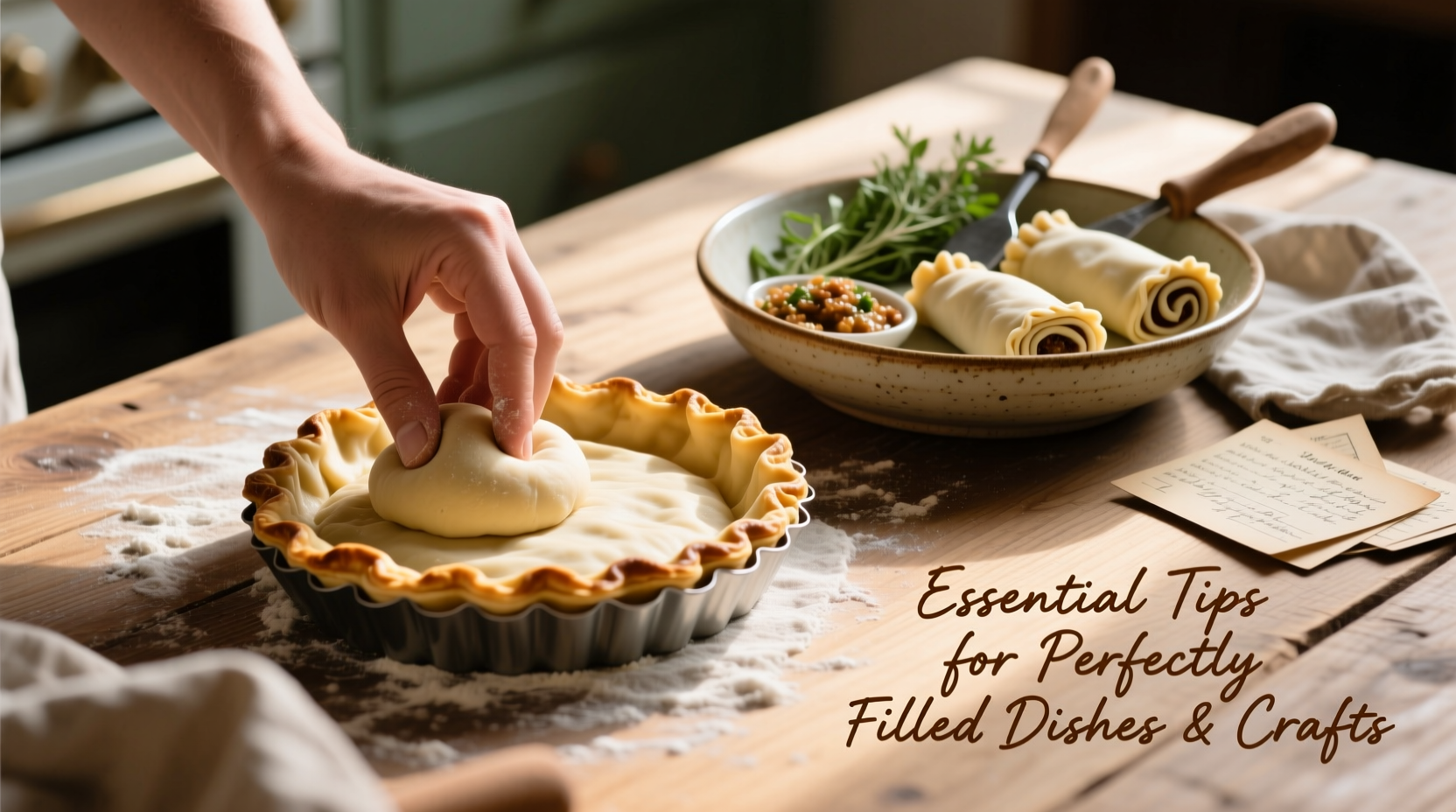
At its core, stuffing is about balance: between filling and container, moisture and absorption, density and expansion. In culinary applications, ingredients like rice, breadcrumbs, sausage, or vegetables absorb liquids during cooking. If packed too tightly, they restrict heat flow and cause bursting. Too loosely, and the final product lacks cohesion. Similarly, in crafts, over-stuffing fabric can strain seams, while under-stuffing leads to limp, shapeless figures.
Air circulation plays a crucial role. In stuffed animals or pillows, trapped air helps maintain loft and softness. In food, steam must escape to prevent pressure build-up. Understanding these dynamics allows for better control across mediums.
Culinary Stuffing: Flavor, Texture, and Safety
Cooking with stuffing demands attention to temperature, seasoning, and timing. Traditional stuffings for poultry, such as sage and onion mixtures, were once cooked inside the bird. However, modern food safety guidelines recommend cooking stuffing separately to avoid bacterial risks from undercooked poultry juices.
That said, when stuffing is placed *inside* food—like bell peppers, mushrooms, or fish fillets—the goal shifts to maximizing flavor transfer without compromising structural integrity. Pre-cooking fillings slightly reduces moisture and prevents sogginess. For example, sautéing onions and celery before adding them to a quinoa stuffing removes excess water and deepens flavor.
“Moisture management is the unsung hero of great stuffing. A dry filling absorbs juices beautifully; a wet one turns mushy.” — Chef Lila Nguyen, Culinary Instructor at Pacific Kitchen Academy
Step-by-Step Guide to Perfect Food Stuffing
- Prepare the vessel: Trim and clean the item to be stuffed (e.g., debone a chicken thigh or hollow out a tomato).
- Dry the filling: Sauté vegetables, toast grains, and drain meats thoroughly.
- Season wisely: Underseason slightly if the outer layer will be seasoned separately.
- Fill gently: Use a spoon or piping bag to pack filling without compressing.
- Secure if needed: Use toothpicks, kitchen twine, or folding techniques to keep contents in place.
- Bake or simmer with space: Allow airflow around the item to ensure even cooking.
Craft Stuffing: Shape, Softness, and Durability
In textile arts, stuffing transforms flat patterns into three-dimensional creations. From amigurumi crochet toys to custom throw pillows, the type and amount of stuffing determine the final look and feel. Polyester fiberfill is popular for its lightness and resilience, while cotton batting offers a firmer, more natural alternative.
The key to professional-looking results is consistency. Begin by pulling small, uniform clumps of filling and inserting them deep into limbs or corners using a chopstick or blunt tool. Build up layers gradually rather than dumping large amounts at once. This prevents lumps and ensures even distribution.
Common Craft Stuffing Mistakes
| Mistake | Consequence | Solution |
|---|---|---|
| Overstuffing | Stress on seams, distorted shape | Use less filling; aim for soft firmness |
| Understuffing | Sagging, loss of definition | Add filling in stages; check shape frequently |
| Poor corner filling | Flat ends or misshapen limbs | Use a dowel to push filling into extremities |
| Mixing incompatible fillers | Uneven texture or settling | Stick to one primary filler per project |
Choosing the Right Filling Material
Not all stuffing is created equal. The ideal choice depends on the application, desired texture, and maintenance needs.
- Polyester fiberfill: Lightweight, hypoallergenic, machine-washable. Best for children’s toys and decorative pillows.
- Wool roving: Warm, moldable, naturally antibacterial. Ideal for weighted crafts or eco-conscious projects.
- Memory foam scraps: Firm support for lumbar cushions or seat pads.
- Rice or beans: Used in heating pads or sensory toys for weight and heat retention.
- Breadcrumbs or sausage mix: Classic for savory dishes; add moisture through stock or eggs.
- Herb and nut blends: Gourmet options for holiday meats; pair with butter for richness.
In hybrid projects—such as embroidered food replicas used in displays—crafters often combine lightweight fillers with wire armatures for poseability.
Mini Case Study: The Festival Plush Project
Jamie Chen, an independent craftsperson based in Portland, was commissioned to create 50 custom fox plushies for a music festival giveaway. Early prototypes looked lopsided, with droopy ears and sagging bodies. After reviewing her process, she realized she was stuffing the head first and then moving to the body, which compressed the neck area.
She revised her approach: starting from the tail and working forward, using a pencil to guide fiberfill into each section evenly. She also added small disks of felt inside the ear bases for structure. The final batch received rave reviews for their consistent, lively appearance. “It wasn’t about using more stuffing,” Jamie noted. “It was about using it smarter.”
Essential Checklist for Perfect Stuffing (All Applications)
- Assess the container’s strength and capacity
- Choose a compatible filling material
- Pre-dry or pre-shape fillings where necessary
- Begin with extremities or deepest areas
- Stuff in small increments, checking shape regularly
- Allow room for expansion during cooking or use
- Secure openings properly (stitches, toothpicks, closures)
- Test firmness: should yield slightly to touch
Frequently Asked Questions
Can I re-stuff an old pillow or toy?
Yes. Carefully open a seam, remove compacted or dirty filling, and replace with fresh stuffing. Reinforce worn areas with patches if needed before closing.
Is it safe to stuff poultry?
The USDA advises against stuffing whole turkeys or chickens due to food safety risks. If you do, prepare the stuffing just before cooking, insert it loosely, and ensure both the bird and stuffing reach 165°F internally.
How do I prevent lumps in my stuffed crafts?
Lumps form when fiberfill clumps together. Pull apart small pieces before inserting, and use a blunt tool to smooth and distribute the material as you go. Rotate the item frequently to check for bulges.
Final Thoughts: Mastery Through Mindful Technique
Whether you're crafting a holiday centerpiece or preparing a family meal, stuffing is more than a step—it's a statement of care. The most memorable dishes and handmade gifts share one trait: thoughtful execution. By respecting the limits of your materials, understanding the physics of fullness, and refining your technique over time, you elevate simple acts into artistry.
Great stuffing isn’t about force or volume. It’s about precision, patience, and knowing when to stop. With these principles in hand, you’re ready to fill with confidence—whether your canvas is a ravioli wrapper or a knitted octopus.




 浙公网安备
33010002000092号
浙公网安备
33010002000092号 浙B2-20120091-4
Comments
No comments yet. Why don't you start the discussion?