
In a world where distractions are constant and demands on our attention grow daily, mastering time management isn’t just about getting more done—it’s about creating space for what truly matters. Poor time use leads to burnout, missed deadlines, and chronic stress. On the other hand, effective time management enhances focus, improves decision-making, and fosters a sense of control over your life. The good news? These skills aren’t reserved for the naturally organized or hyper-efficient. With deliberate practice and the right techniques, anyone can transform their relationship with time.
The Core Principles of Effective Time Management
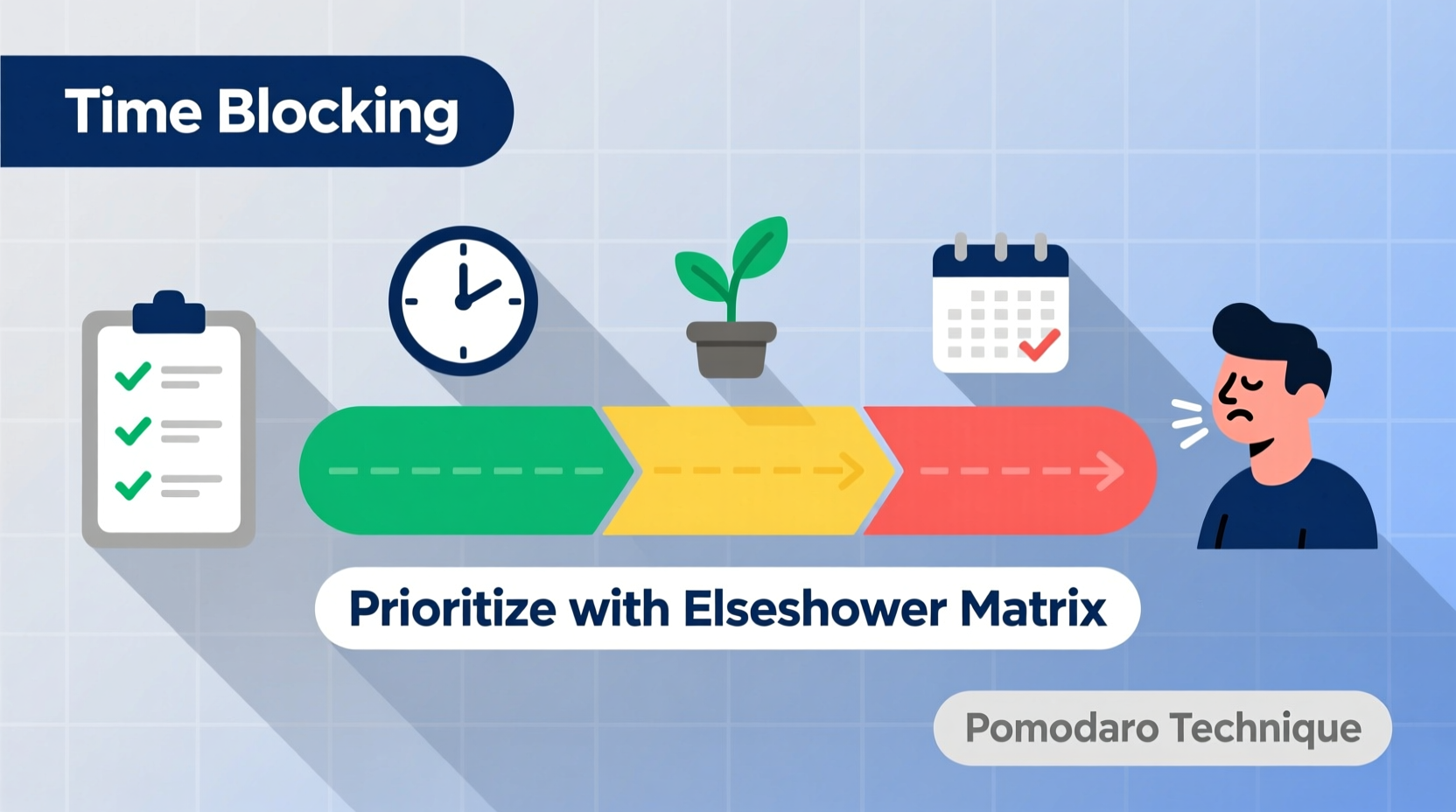
Time management is not about cramming more tasks into your day. It’s about aligning your actions with your priorities. At its foundation, successful time management rests on three pillars: clarity, intentionality, and consistency.
Clarity means knowing your goals—both short-term and long-term. Without this, even productive days can feel unfulfilling if they don’t contribute to meaningful outcomes. Intentionality involves planning your time in advance, rather than reacting to whatever comes up. Finally, consistency turns good habits into lasting results. Small, repeated choices compound over time, leading to significant improvements in both output and well-being.
Practical Techniques to Take Control of Your Time
There’s no one-size-fits-all approach to managing time, but several proven methods have stood the test of real-world application. Below are some of the most effective strategies used by professionals across industries.
1. The Eisenhower Matrix: Prioritize by Urgency and Importance
Popularized by President Dwight D. Eisenhower, this framework divides tasks into four categories:
| Urgent | Not Urgent | |
|---|---|---|
| Important | Do immediately (e.g., crisis, deadline-driven project) | Schedule for later (e.g., strategic planning, skill development) |
| Not Important | Delegate if possible (e.g., routine emails, meetings) | Eliminate or minimize (e.g., distractions, busywork) |
This tool helps shift focus from urgent-but-unimportant tasks to those that drive long-term success.
2. Time Blocking: Design Your Ideal Day
Instead of reacting to your calendar, design it. Time blocking involves assigning specific blocks of time to particular activities—work, breaks, personal projects, or rest. When you treat your time like a budget, you’re less likely to overspend it on low-value tasks.
For example, reserve 9:00–11:00 AM for deep work, schedule meetings only in the afternoon, and protect 30 minutes after lunch for reflection or planning. Over time, this builds rhythm and reduces decision fatigue.
“Time management is really attention management. You must guard your focus like a fortress.” — Cal Newport, author of *Deep Work*
3. The Pomodoro Technique: Work in Focused Sprints
Break your work into 25-minute intervals (called “Pomodoros”) followed by a 5-minute break. After four cycles, take a longer 15–30 minute break. This method combats mental fatigue and maintains high concentration levels throughout the day.
It’s especially useful for tasks that feel overwhelming or tedious. Knowing a break is coming makes it easier to start—and stay engaged.
Step-by-Step Guide: Building a Sustainable Time Management System
Adopting new habits requires structure. Follow this six-step process to create a personalized system that lasts:
- Assess your current time use: Track your activities for three days. Note when you’re productive, distracted, or overwhelmed.
- Define your top priorities: List 2–3 key professional and personal goals for the next quarter.
- Choose 1–2 techniques to implement: Start with time blocking or the Pomodoro method—don’t overwhelm yourself.
- Schedule weekly reviews: Every Sunday, reflect on what worked, what didn’t, and adjust accordingly.
- Set boundaries: Turn off notifications during focus periods and communicate availability to colleagues.
- Build in recovery time: Schedule downtime to recharge. Rest is not wasted time—it’s performance fuel.
Real Example: How Sarah Reclaimed Her Workday
Sarah, a marketing manager at a mid-sized tech firm, was constantly working late and felt overwhelmed despite being “busy” all day. She started tracking her time and discovered that nearly 60% of her day was spent on reactive tasks—emails, impromptu meetings, and last-minute requests.
She implemented time blocking: she began scheduling two-hour windows for campaign strategy and content creation early in the morning, before checking email. She also set her status to “Do Not Disturb” during these periods and communicated her new focus hours to her team.
Within three weeks, Sarah reduced her overtime by 10 hours per week and completed a major campaign ahead of schedule. More importantly, she reported feeling less anxious and more in control of her workload.
Avoiding Common Pitfalls
Even with the best intentions, people often fall into traps that undermine their time management efforts. Awareness is the first step toward correction.
- Over-scheduling: Packing every minute leads to burnout. Leave buffer time between tasks.
- Multitasking: Switching between tasks reduces efficiency by up to 40%. Focus on one thing at a time.
- Neglecting energy rhythms: Schedule demanding work during your peak energy times (e.g., morning for early risers).
- Perfectionism: Waiting for the “perfect” moment to start often means never starting. Done is better than perfect.
Do’s and Don’ts of Daily Planning
| Do | Don’t |
|---|---|
| Plan the night before or first thing in the morning | Start the day without a clear plan |
| Limit your daily task list to 3–5 key items | Make a list of 15+ tasks expecting to finish them all |
| Review progress at the end of the day | Go to bed without reflecting on what was accomplished |
| Include breaks and transition time | Treat your schedule like a rigid assembly line |
FAQ: Time Management Questions Answered
How do I stick to my schedule when unexpected tasks come up?
Unplanned work will always appear. Instead of abandoning your plan, assess the urgency. If it’s critical, reschedule a lower-priority block. If not, add it to tomorrow’s list. Flexibility within structure is key.
Is multitasking ever effective?
Rarely. True multitasking—performing two cognitively demanding tasks simultaneously—reduces accuracy and increases errors. Simple tasks like walking and listening may be combined safely, but complex work deserves full attention.
Can time management help reduce anxiety?
Absolutely. Uncertainty about unfinished tasks creates mental clutter. A reliable system provides clarity and reduces the “mental load,” which directly lowers stress levels.
Conclusion: Take Action Today
Mastering time management isn’t about achieving perfection. It’s about progress—making small, consistent changes that lead to greater productivity, reduced stress, and a more intentional life. The techniques outlined here are not theoretical; they are battle-tested tools used by leaders, creatives, and high performers worldwide.
You don’t need to overhaul your entire routine overnight. Pick one strategy—time blocking, the Pomodoro technique, or the Eisenhower Matrix—and apply it for seven days. Reflect on the results. Adjust. Repeat. Over time, these practices will reshape not just your schedule, but your mindset.




 浙公网安备
33010002000092号
浙公网安备
33010002000092号 浙B2-20120091-4
Comments
No comments yet. Why don't you start the discussion?