
While turning a phone on or off may seem like the most basic function of any mobile device, doing it improperly—or neglecting it altogether—can lead to reduced performance, battery degradation, and even hardware stress over time. In an era where smartphones are central to communication, productivity, and personal organization, understanding the correct way to power them is surprisingly impactful. This guide explores the nuances behind powering your device safely, efficiently, and purposefully across different scenarios.
The Importance of Proper Power Management
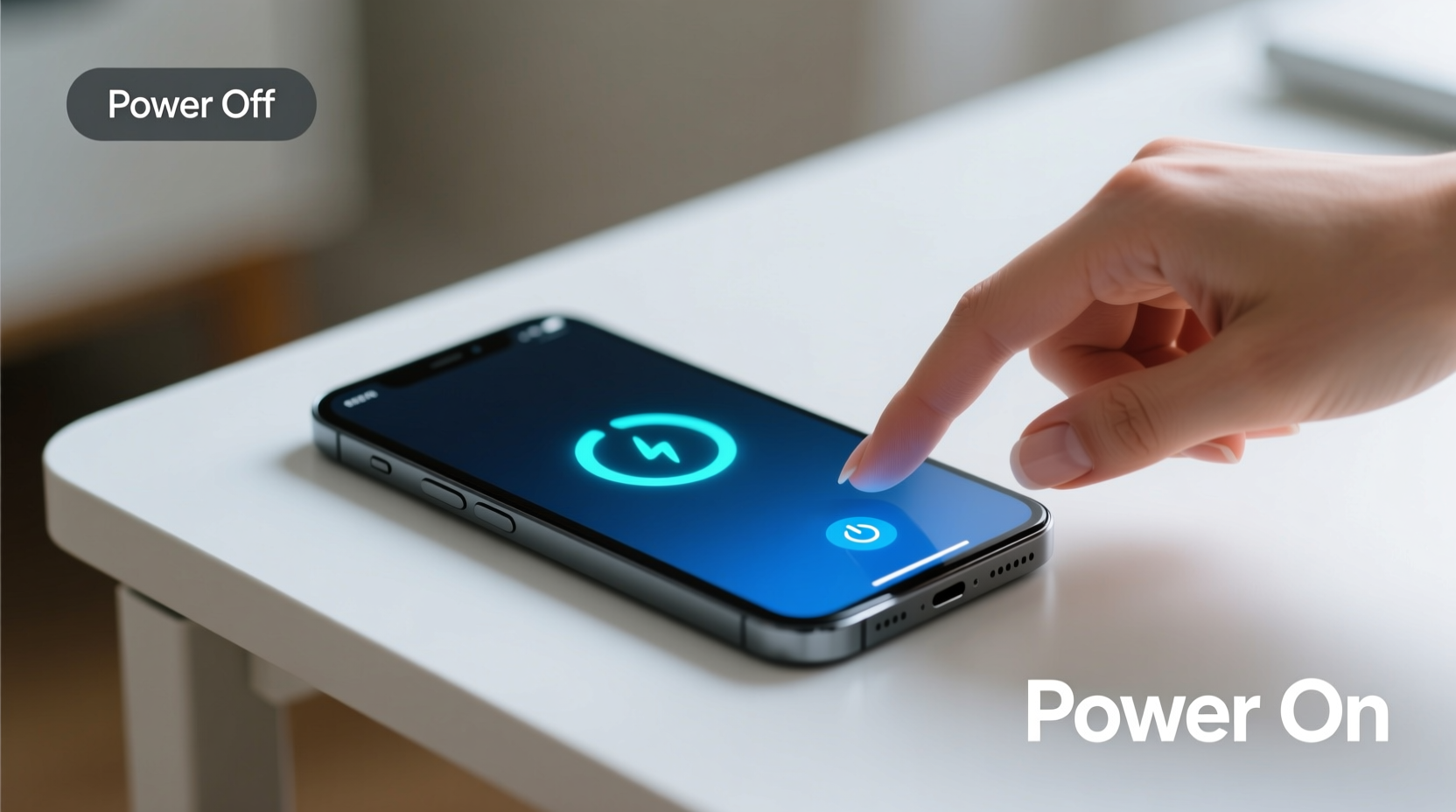
Phones are not just tools—they're complex computers in your pocket. Like any computer, they benefit from periodic restarts and proper shutdown procedures. Over time, background processes accumulate, memory leaks occur, and system caches grow. A full reboot clears these digital “dust bunnies” and restores optimal performance.
Moreover, abrupt power interruptions—such as removing the battery (on older models) or holding the power button until the screen cuts out without following proper shutdown steps—can corrupt data or damage the file system. Modern devices use sophisticated software states during startup and shutdown; bypassing them risks long-term instability.
Step-by-Step: How to Turn Your Phone Off Safely
Shutting down your phone should be a deliberate process, especially if you plan to store it, travel with it, or perform maintenance. Follow this sequence regardless of brand:
- Save any open work or documents in apps.
- Close active apps running in the background.
- Open the quick settings panel or go to Settings > Battery to check remaining charge (ideally above 30%).
- Press and hold the power button until the power menu appears.
- Select “Power off” or “Shut down.” Wait for the screen to go completely black.
- Wait an additional 10 seconds after the screen turns off before placing the device in storage or transport.
This ensures that all system processes have terminated gracefully and reduces strain on internal components during reactivation.
How to Turn Your Phone Back On Correctly
Restarting your phone isn’t simply about pressing a button—it’s about giving the system space to initialize properly. Here’s how to do it right:
- Press and hold the power button for 2–3 seconds. Don’t tap repeatedly—this can confuse the sensor.
- Wait patiently. The boot-up process may take up to 30 seconds, especially after updates.
- Do not press volume buttons or connect chargers during startup unless prompted (e.g., recovery mode).
- If the logo appears but the phone stalls, wait at least 2 minutes before attempting a forced restart.
During startup, the operating system checks critical files, loads drivers, and verifies security protocols. Interrupting this phase can result in boot loops or corrupted firmware.
Device-Specific Variations: What You Need to Know
While core principles remain consistent, methods vary slightly between manufacturers. Below is a comparison table outlining key differences:
| Brand | Power Off Method | Force Restart Combo | Special Notes |
|---|---|---|---|
| iPhone (Face ID) | Hold side + volume button > slide power off | Press Vol Up, then Vol Down, then hold Side until Apple logo | No removable battery; always use soft shutdown when possible |
| iPhone (Home Button) | Hold top/side button > slide to power off | Hold Home + Top until Apple logo appears | Avoid force restart unless unresponsive |
| Samsung Galaxy | Hold power button > tap Power off | Hold Volume Down + Power for 10 sec | Some models support palm-swipe gestures to power off |
| Google Pixel | Hold power button > select Power off | Hold Power + Volume Down for 10+ sec | Firmware updates often require full reboot cycle |
| Xiaomi / Redmi | Long press power button > confirm shutdown | Power + Volume Down for 10–15 sec | Fast charging resumes automatically after power-on |
“Proper shutdown and startup routines extend the lifespan of both battery and processor by reducing thermal and electrical stress.” — Dr. Lena Patel, Senior Hardware Engineer at Mobile Systems Lab
When Should You Power Down? Practical Scenarios
Not every situation calls for a powered-off phone, but certain conditions make it advisable—or even necessary.
Traveling Through Security or on Flights
Though most airlines allow devices in airplane mode, some international carriers still require complete shutdown. If requested, comply promptly. Always shut down before boarding if your phone has known overheating issues.
Software Updates Installation
After downloading major OS updates, manufacturers recommend restarting. However, let the update prompt initiate the reboot rather than manually shutting down mid-process. This ensures integrity of patch installation.
Overheating or Unresponsiveness
If your phone becomes unusually hot or freezes entirely, a forced restart may be needed. But only resort to this after waiting 1–2 minutes for natural recovery. Frequent freezing could indicate deeper issues requiring service.
Extended Storage
If storing your phone for weeks or months (e.g., backup device), power it down after charging to 50%. This prevents deep discharge, which lithium-ion batteries are sensitive to. Store in a dry, room-temperature environment.
Common Mistakes and How to Avoid Them
Even experienced users fall into poor habits. These errors are more common—and damaging—than many realize:
- Yanking the charger during boot: Interrupting early-stage charging can disrupt calibration.
- Using third-party power buttons: Aftermarket cases or screen protectors that press the button constantly can trigger accidental shutdowns.
- Ignoring low-battery warnings: Letting the phone die completely too often strains the battery management system.
- Skipping restarts for months: Leads to sluggishness, delayed notifications, and increased crash rates.
Mini Case Study: The Executive Who Lost a Presentation
Jamal, a marketing director, relied solely on his smartphone for client meetings. One morning, his phone failed to turn on before a crucial pitch. He had left it unused for two weeks without charging or shutting it down properly. The battery had drained below recovery voltage. Though he borrowed a colleague’s device, the delay cost him credibility.
After consulting IT support, he learned that storing a phone at 0% charge for extended periods can cause \"battery sleep\" or permanent capacity loss. Now, he powers down his secondary device monthly and keeps it charged to 50%, ensuring reliability when needed.
Essential Checklist: Power-On/Off Best Practices
Your Phone Power Management Checklist
- ✅ Charge to at least 30% before shutting down
- ✅ Use the on-screen power menu instead of forcing shutdown
- ✅ Restart weekly to clear memory and refresh services
- ✅ Store powered-down phones at ~50% charge
- ✅ Avoid repeated rapid power cycling (on/off within minutes)
- ✅ Know your device’s force-restart combination
- ✅ Keep fingers away from sensors during startup
FAQ: Common Questions About Powering Phones
Is it bad to leave my phone off for a long time?
Not inherently—but only if stored correctly. Turn it off at around 50% charge and keep it in a cool, dry place. Check every few weeks and recharge to 50% if needed. Lithium-ion batteries degrade faster when fully discharged or fully charged during storage.
Why won’t my phone turn back on after being off?
This usually indicates either a depleted battery (even if off, small drain occurs) or software corruption. Plug it into a known-good charger for at least 20 minutes. If no sign of life, attempt a forced restart. If still unresponsive, seek technical support.
Can I damage my phone by turning it off and on too much?
Normal daily shutdown and startup won’t cause harm. However, cycling power dozens of times per day creates unnecessary wear on components and accelerates battery cycle count. Reserve shutdowns for meaningful reasons like updates, travel, or troubleshooting.
Conclusion: Small Actions, Lasting Impact
Mastering the simple act of turning your phone on and off is not about complexity—it's about intentionality. Each proper shutdown and clean startup contributes to longer battery health, better performance, and fewer unexpected failures. These habits take seconds to apply but compound into years of reliable usage.




 浙公网安备
33010002000092号
浙公网安备
33010002000092号 浙B2-20120091-4
Comments
No comments yet. Why don't you start the discussion?