
Writing a letter—whether formal or personal—is more than just putting words on paper. It’s about clear communication, emotional intelligence, and strategic expression. In an age dominated by emails and instant messaging, the art of letter writing remains powerful. A well-crafted letter can open doors, mend relationships, or leave a lasting impression. Yet many struggle with where to begin, how to structure their thoughts, or what tone to use. This guide breaks down the process into actionable steps, offering practical advice to help you write letters that are effective, polished, and purposeful.
Understand the Purpose and Audience
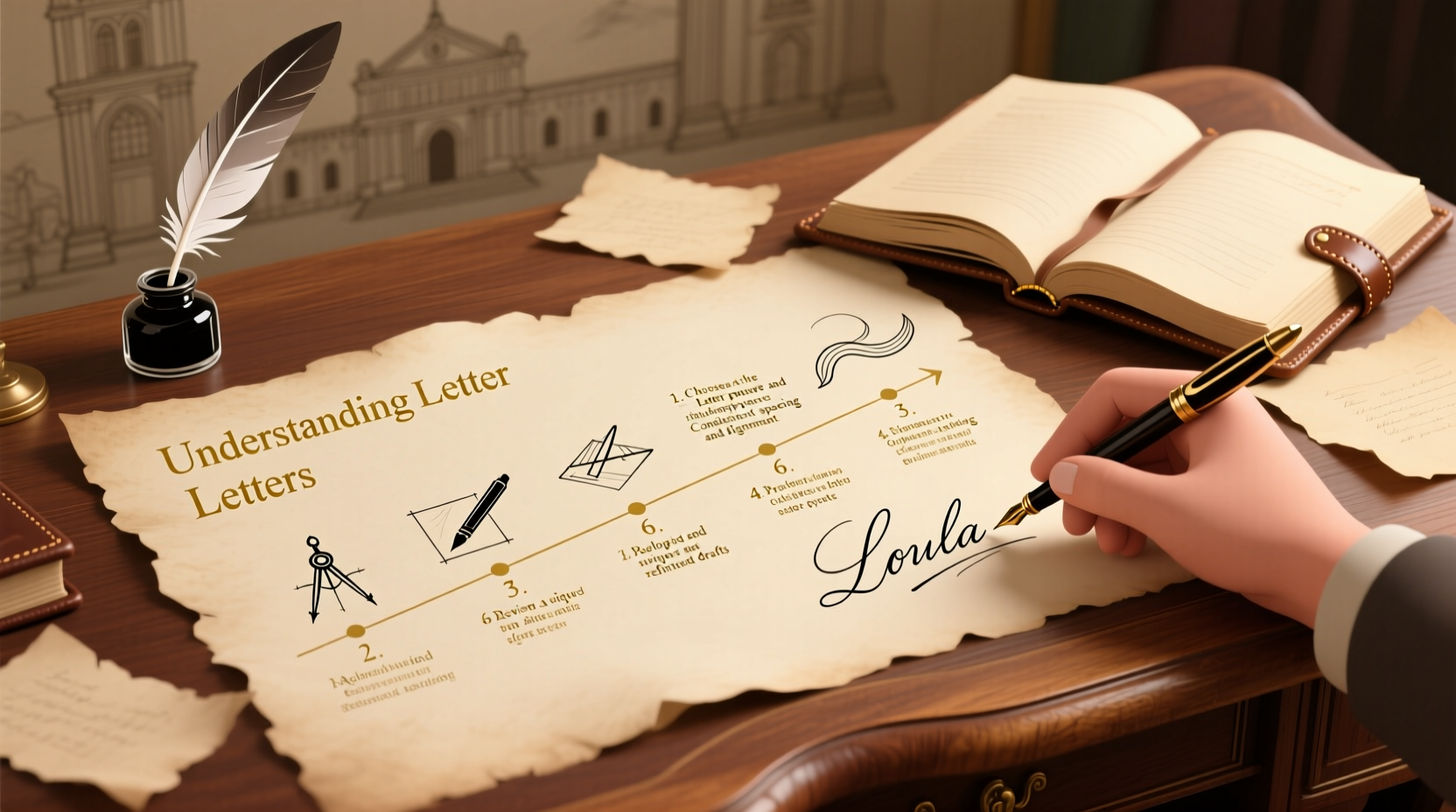
Every letter begins with intent. Before drafting a single sentence, ask: What is this letter meant to achieve? Are you applying for a job, expressing gratitude, making a complaint, or reconnecting with an old friend? The answer shapes every aspect of your letter—from structure to tone.
Equally important is knowing your audience. A cover letter sent to a hiring manager demands professionalism and precision. A condolence letter to a grieving friend requires empathy and warmth. Misjudging either purpose or recipient leads to miscommunication.
Structure Your Letter for Clarity and Impact
A strong letter follows a logical flow. While formats vary slightly depending on context, most effective letters include five core components:
- Heading and Date: Include your contact information and the date. For formal letters, add the recipient’s address.
- Salutation: Use “Dear [Name]” for personal or semi-formal contexts. For unknown recipients, “Dear Hiring Manager” or “To Whom It May Concern” works—but personalize when possible.
- Opening Paragraph: State your purpose immediately. Avoid vague openings like “I hope this letter finds you well” unless appropriate.
- Body Paragraphs: Expand on your message with supporting details, examples, or requests. Keep each paragraph focused on one idea. <5> Closing and Signature: End with a courteous closing (“Sincerely,” “Warm regards”) followed by your name and signature (if printed).
| Letter Type | Tone | Length | Key Focus |
|---|---|---|---|
| Cover Letter | Professional, confident | 3–4 paragraphs | Relevance of skills to role |
| Thank-You Note | Grateful, warm | 1–2 paragraphs | Sincerity and specificity |
| Complaint Letter | Firm but respectful | 3 paragraphs | Issue, impact, requested action |
| Personal Letter | Conversational, heartfelt | No strict limit | Connection and emotion |
Step-by-Step Guide to Writing the Perfect Letter
Follow this sequence to ensure no critical element is overlooked:
- Define the Goal: Ask yourself: What do I want the reader to think, feel, or do after reading?
- Gather Information: Collect necessary facts—dates, names, reference numbers, or personal memories.
- Draft Freely: Write a rough version without worrying about perfection. Focus on getting ideas down.
- Edit Ruthlessly: Trim redundant phrases, eliminate jargon, and clarify ambiguous statements.
- Check Tone and Flow: Read aloud to catch awkward phrasing. Ensure the tone matches the relationship and purpose.
- Proofread Meticulously: Look for spelling, grammar, and punctuation errors. Even small mistakes undermine credibility.
- Format Correctly: Use standard fonts (e.g., Times New Roman, Arial), 12-point size, and 1-inch margins for formal letters.
- Send with Confidence: Whether email or mail, ensure proper addressing and timely delivery.
A Real Example: Turning a Rejection into Opportunity
Sarah applied for a marketing position at a nonprofit she admired. After being rejected, she decided to write a follow-up letter—not to argue, but to express appreciation and remain visible.
Her letter began: “Thank you for considering my application for the Marketing Coordinator role. While I was disappointed not to move forward, I truly appreciate the time your team took to review my qualifications.” She then highlighted one specific project from her portfolio relevant to the organization’s mission and closed by requesting to be considered for future roles.
Three months later, the same nonprofit contacted her for a newly created position. Her thoughtful letter had stayed on file—and made an impression.
This example shows that even in disappointment, a well-written letter can preserve relationships and keep opportunities alive.
Common Pitfalls and How to Avoid Them
Even experienced writers make mistakes. Here are frequent errors and how to correct them:
- Being too vague: Saying “I’d be a great fit” offers nothing. Instead, say, “My experience managing social media campaigns aligns with your need for digital outreach.”
- Overusing formal language: Phrases like “I am in receipt of your correspondence” sound outdated. Use natural, modern English.
- Neglecting formatting: Poor spacing, inconsistent alignment, or tiny fonts distract from your message. Stick to clean, readable layouts.
- Failing to proofread: One typo can overshadow an otherwise excellent letter. Always double-check names and titles.
“Clarity is kindness in writing. A precise letter respects the reader’s time and attention.” — Dr. Lena Patel, Communication Professor, University of Toronto
Essential Checklist Before Sending
Use this checklist to ensure your letter is ready for delivery:
- ✅ Purpose is clearly stated in the first paragraph
- ✅ Recipient’s name and title are spelled correctly
- ✅ Tone matches the relationship and context
- ✅ Each paragraph has one central idea
- ✅ No grammatical or spelling errors
- ✅ Contact information is included (if applicable)
- ✅ Closing expresses appropriate sentiment (gratitude, respect, etc.)
- ✅ Format is clean and professional
FAQ: Common Questions About Letter Writing
How long should a formal letter be?
Ideally, keep it to one page. Hiring managers and executives often skim correspondence, so conciseness increases readability and impact. If writing a personal letter, length can vary based on depth of content, but avoid unnecessary tangents.
Can I use bullet points in a letter?
Yes—especially in cover letters or business correspondence. Bullet points improve readability when listing achievements, responsibilities, or action items. However, avoid them in personal or emotional letters where prose flows better.
Is it okay to handwrite a letter?
Absolutely, especially for personal notes like thank-yous, condolences, or invitations. Handwriting adds a human touch. For formal applications or business matters, typed letters are preferred for clarity and professionalism.
Making Every Word Count
The power of a letter lies not in its length, but in its intention. Whether you’re seeking a job, apologizing, or simply saying hello, your words carry weight. By understanding your audience, structuring your message clearly, and revising with care, you transform simple sentences into meaningful communication.
In a world of fleeting digital messages, a well-written letter stands out. It shows effort, respect, and thoughtfulness—qualities that never go out of style.




 浙公网安备
33010002000092号
浙公网安备
33010002000092号 浙B2-20120091-4
Comments
No comments yet. Why don't you start the discussion?