
Fishing with jigs is one of the most effective methods for catching bass, walleye, pike, and other predatory fish. Unlike passive lures, jigs put you in direct contact with the bottom structure where big fish often lurk. Their versatility allows anglers to adapt to changing conditions, from deep rocky drop-offs to shallow weed beds. Yet, many anglers underutilize jigs or fail to maximize their potential due to improper technique or misconceptions about when and how to use them.
This guide breaks down the essential elements of successful jig fishing—covering gear selection, presentation styles, seasonal strategies, and real-world applications. Whether you're new to jigging or looking to refine your approach, these insights will help you make more informed decisions and improve your catch rate.
Understanding Jig Anatomy and Types
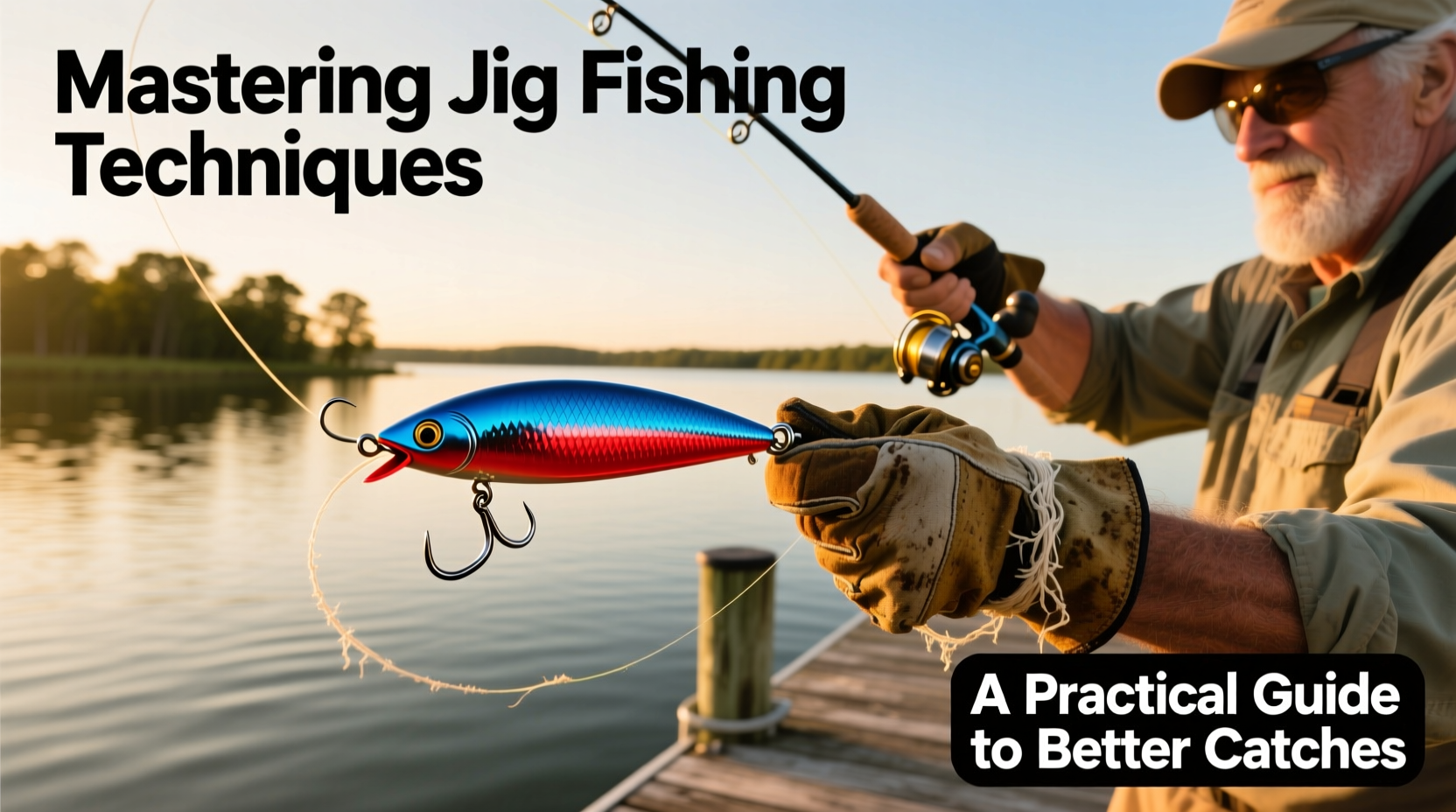
A jig consists of three primary components: the weighted head, the hook, and the skirt or trailer. The head is typically made of lead or tungsten and shaped to influence how the lure moves through the water. Round heads glide smoothly, while football heads roll over obstacles, making them ideal for rocky terrain. The hook size and gap are tailored to match the target species and bait profile.
Jigs come in several specialized forms:
- Flipping jigs – compact, heavy, with a weed guard; designed for short, precise casts into thick cover.
- Swimming jigs – streamlined with a thin profile and often paired with a paddle-tail trailer for steady retrieves.
- Football jigs – wide, stable heads that maintain contact with the bottom on sloping structures.
- Dragging jigs – lighter models used in finesse situations, especially in clear, pressured waters.
Selecting the Right Gear Setup
Success starts with proper equipment. Jig fishing demands sensitivity to detect subtle bites and enough power to set the hook through weeds or cover.
| Component | Recommended Specs | Rationale |
|---|---|---|
| Rod | 7'0\" to 7'6\", Medium-Heavy to Heavy, Fast Action | Provides casting accuracy and strong hook-setting leverage. |
| Reel | Baitcaster, 6.3:1 to 7.3:1 gear ratio | Offers control and line management during vertical presentations. |
| Line | 15–25 lb braid (main line), 10–15 lb fluorocarbon leader (optional) | Braid enhances sensitivity and reduces stretch; fluoro adds invisibility. |
Tungsten jigs, though more expensive than lead, are preferred by serious anglers due to their smaller size, increased sensitivity, and durability when banging off rocks.
Step-by-Step Guide to Effective Jig Presentation
The way you retrieve a jig can mean the difference between blanking and landing multiple fish. Follow this sequence for consistent results:
- Cover water efficiently: Begin with a moderate-speed swim or hop retrieve to locate active fish.
- Feel the bottom: Maintain light tension to sense changes in substrate—rock, mud, gravel—as fish often relate to transitions.
- Pause and twitch: After each hop or swim stroke, let the jig settle. A falling jig often triggers reaction strikes.
- Adjust speed based on mood: In cold water, slow everything down. In warm, aggressive conditions, add quick hops or sweeps.
- Watch your line: Subtle twitches or slack indicate bites, especially in deep or stained water where visibility is low.
When flipping or pitching into heavy cover, use a controlled pendulum motion to drop the jig vertically. Let it fall freely, then employ short lifts followed by pauses. Many strikes occur during the descent.
Seasonal Strategies for Maximum Success
Jig fishing shines year-round, but tactics must shift with the seasons.
In spring, focus on shallow flats during pre-spawn. Use 3/8- to 1/2-ounce flipping jigs with soft plastic craws to target bass moving toward spawning areas. Retrieve slowly along laydowns and brush piles.
Summer demands deeper structure. Fish football jigs along ledges, points, and humps. Retrieve with a slow drag-and-hop pattern, emphasizing contact with the bottom. Pair with a twin-tail grub or creature bait to increase action.
Fall brings roaming schools of bass feeding aggressively. Swimming jigs with paddle tails become highly effective. Cast ahead of schooling fish and maintain a steady, slightly erratic retrieve just above the weed tops.
Winter requires patience. Switch to lighter jigs (1/4 oz or less) and drag them slowly across deep rock piles or channel edges. Use a deadstick pause—letting the jig sit motionless for up to 30 seconds—to trigger lethargic fish.
“Jigs are the ultimate confidence lure because they allow total control. You’re not just casting—you’re feeling, reacting, and interacting with the environment.” — Mark Davis, Professional Bass Angler & FLW Champion
Common Mistakes and How to Avoid Them
Even experienced anglers fall into traps that reduce effectiveness. Here’s what to watch for:
- Using too heavy a jig: Overweight jigs punch through cover but don’t fall naturally. Match weight to depth and current.
- Setting the hook too early: Many bites feel like ticks or snags. Count to two before setting to ensure the fish has taken the bait.
- Ignoring line management: Braided line can twist if improperly spooled. Always fill the reel fully and check for wind knots.
- Overlooking trailer selection: The right trailer adds bulk, action, or subtlety. Experiment with finesse worms, craws, or swimbaits depending on clarity and aggression.
Real-World Example: Turning a Tough Day Around
Dan, an avid weekend angler, struggled all morning on a clear, deep reservoir in mid-June. He worked crankbaits and topwaters without success. By noon, he switched to a 3/4-ounce football jig with a green pumpkin twin-tail grub, targeting a submerged roadbed at 18 feet.
Instead of reeling steadily, he began dragging the jig with short lifts and long pauses. On his fifth cast, the line twitched twice, then went slack. Remembering advice about delayed hooksets, he waited a beat—then swept hard. A 4.8-pound smallmouth came roaring to the surface.
Over the next hour, Dan landed five more fish using the same method. The key wasn’t the jig itself, but the deliberate, bottom-focused presentation that matched the fish’s inactive summer behavior.
Checklist: Essential Steps Before Jig Fishing
- ✅ Choose the appropriate jig type for depth and cover.
- ✅ Match rod, reel, and line to your jig weight and target species.
- ✅ Select a trailer that complements water clarity and forage.
- ✅ Test your knot strength—especially between braid and leader.
- ✅ Plan retrieval variations: hop, swim, drag, free-fall.
- ✅ Observe environmental cues: wind, temperature, light levels.
FAQ
Can I use jigs in clear water?
Absolutely. In fact, clear water often demands finesse. Use lighter jigs, natural colors, and fluorocarbon leaders to reduce visibility. Focus on precise presentations near structure.
What’s the best way to detect bites when jigging?
Keep your thumb on the spool to maintain tension. Most bites register as slight taps, line jumps, or unexpected slack. Develop a rhythm so any deviation stands out.
Should I always use a trailer with my jig?
Almost always. Trailers add movement, bulk, and scent dispersion. Even a simple finesse worm can dramatically increase strike rates compared to a bare jig.
Conclusion
Mastering jig fishing isn’t about having the fanciest gear or knowing secret spots—it’s about understanding how fish interact with structure and responding with precision and patience. From selecting the right head shape to refining your lift-and-pause cadence, every detail contributes to success.
The jig remains one of the most adaptable and reliable tools in an angler’s arsenal. By applying these techniques across seasons and conditions, you’ll not only catch more fish but develop a deeper connection to the underwater world.




 浙公网安备
33010002000092号
浙公网安备
33010002000092号 浙B2-20120091-4
Comments
No comments yet. Why don't you start the discussion?