
A large capacity tote bag is more than just a fashion statement—it’s a functional extension of your daily routine. Whether you're commuting to work, running errands, traveling, or managing a busy household, a spacious tote can carry everything from laptops and notebooks to snacks, water bottles, and personal care items. But without proper organization, that convenience quickly turns into chaos. Retrieving a single item becomes a scavenger hunt, and over time, the disarray leads to wear, misplaced essentials, and unnecessary stress.
True efficiency comes not from owning a bigger bag, but from mastering how you use it. With intentional systems and consistent habits, you can transform your tote into a streamlined command center. This guide delivers actionable strategies, real-world insights, and proven methods to help you maintain control—no matter how full your schedule or your bag gets.
Choose the Right Bag for Your Lifestyle
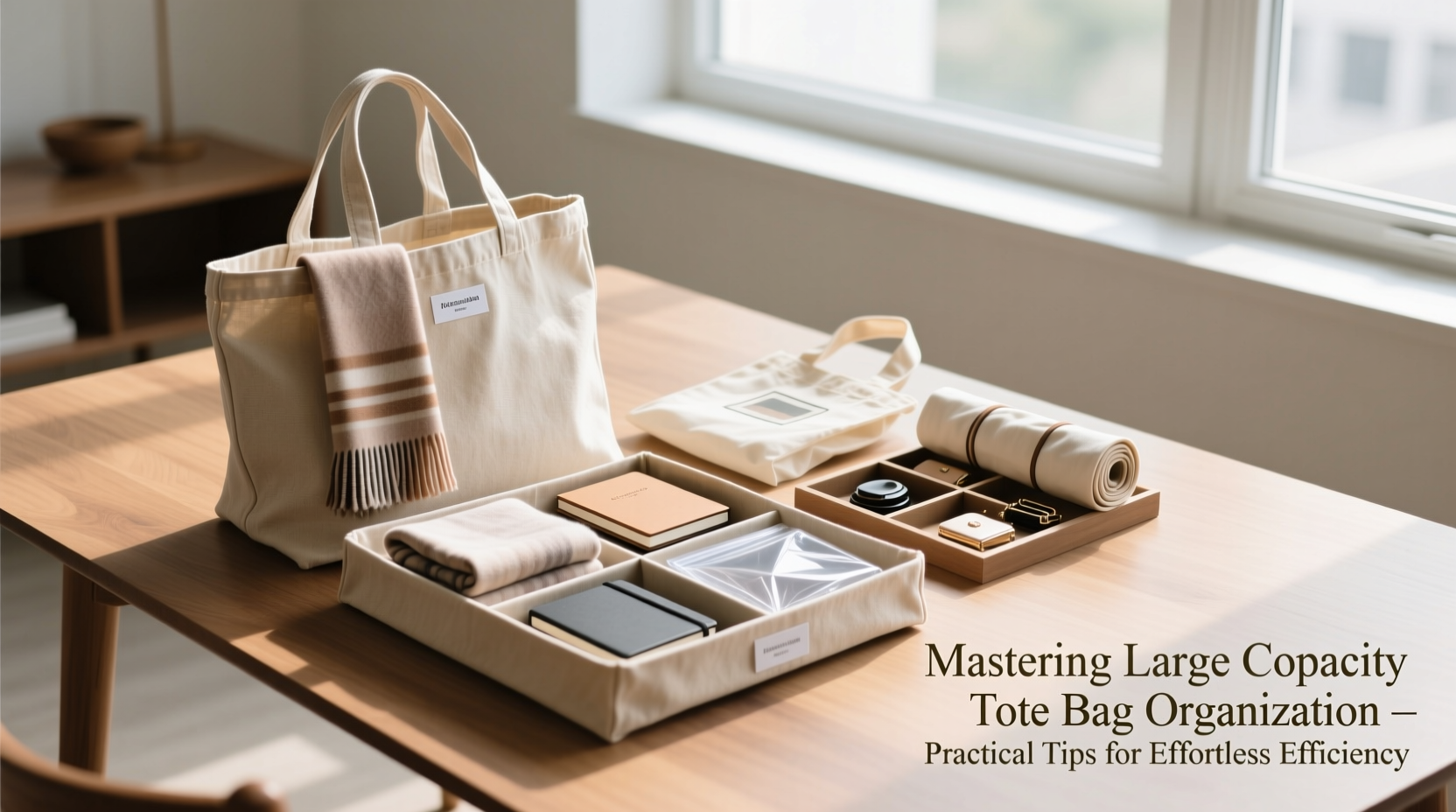
Before diving into organization, ensure your tote aligns with your needs. A poorly designed bag undermines even the best organizational efforts. Look for structural features that support functionality:
- Multiple interior compartments: Dedicated pockets for phones, pens, and wallets reduce digging.
- Durable, wipeable lining: Makes cleaning spills and dust simple.
- Reinforced handles and base: Prevents sagging when fully loaded.
- Zippered top or magnetic closure: Keeps contents secure and prevents accidental drops.
Implement a Zoning System Inside Your Tote
Think of your tote like a well-organized desk: each category of item has a designated zone. Without zones, everything blends together, leading to clutter and frustration. Divide your bag into three primary sections:
- Top Layer (Daily Essentials): Items you access frequently—phone, keys, wallet, lip balm, sunglasses.
- Middle Zone (Work & Tech): Laptop, tablet, charger, notebook, pens, headphones.
- Bottom Compartment (Lifestyle & Extras): Snacks, reusable cutlery, hand sanitizer, umbrella, spare mask.
Use small pouches or zip-top organizers to define these zones. For example, a slim tech sleeve keeps cords tangle-free, while a clear toiletry bag makes hygiene items visible at a glance. The goal is to create muscle memory—knowing exactly where each item lives without thinking.
| Zone | Recommended Organizer | Frequency of Access |
|---|---|---|
| Top Layer | Open-top slip pocket or key leash | Every 15–30 minutes |
| Middle Zone | Fabric laptop sleeve or padded insert | Hourly |
| Bottom Compartment | Water-resistant drawstring pouch | As needed |
Step-by-Step: The Weekly Reset Routine
Even the most organized tote degrades over time. Crumbs accumulate, receipts pile up, and forgotten items linger. To maintain peak performance, adopt a weekly reset ritual. This 15-minute process ensures your bag stays functional and hygienic.
- Empty completely: Remove every item, including loose change and paper scraps.
- Inspect and clean: Wipe down the interior with a microfiber cloth dampened with mild soap. Let air dry fully.
- Sort and prioritize: Group items by function. Discard expired products, old receipts, or broken pens.
- Repack mindfully: Reintroduce only what you’ve used or anticipate needing in the coming week.
- Label if necessary: Use discreet labels on pouches (e.g., “Chargers,” “Snacks”) for quick identification.
Real Example: How Sarah Regained Control of Her Work Tote
Sarah, a project manager in Chicago, carried a 20-liter canvas tote between meetings, client visits, and school pickups. She often arrived late because she couldn’t find her badge or phone. After spilling coffee into her bag and damaging her tablet, she decided to reevaluate.
She started by measuring her most-used items and purchasing three fabric organizers: one for tech, one for documents, and a small insulated pouch for snacks. She assigned colors—blue for work, red for personal—and placed a key leash near the top zipper. Within two weeks, her retrieval time dropped from 90 seconds to under 10. More importantly, she stopped replacing damaged electronics and felt more composed during high-pressure days.
“It wasn’t about buying more stuff,” she said. “It was about creating order so I could focus on my priorities.”
“A well-organized bag reflects a well-organized mind. The fewer decisions you make to find a pen, the more mental energy you save for meaningful work.” — Dr. Lena Torres, Productivity Psychologist
Common Mistakes That Sabotage Tote Efficiency
Even experienced users fall into traps that undermine their system. Avoid these frequent errors:
- Overpacking: Carrying “just in case” items adds weight and reduces accessibility.
- Mixing categories: Storing gym clothes with work files blurs boundaries and creates clutter.
- Neglecting weight balance: Heavy items at the top can cause the bag to tip forward, straining your shoulder.
- Ignoring maintenance: Food crumbs attract pests; moisture breeds mildew.
Checklist: Optimize Your Tote in One Evening
Follow this concise action plan to upgrade your tote tonight:
- ☐ Empty all contents onto a clean surface
- ☐ Discard trash, expired items, and duplicates
- ☐ Wipe down interior and exterior surfaces
- ☐ Sort remaining items into categories (tech, personal, food, etc.)
- ☐ Assign each category a dedicated pouch or compartment
- ☐ Place heaviest items at the bottom, closest to your back
- ☐ Attach a key leash or card holder for instant access
- ☐ Test carry weight and adjust as needed
FAQ: Tote Organization Questions Answered
How do I prevent my tote from becoming too heavy?
Limit non-essential items and evaluate what you truly need daily. Use lightweight organizers and avoid carrying multiple notebooks or binders unless absolutely necessary. Consider digital alternatives for documents and notes.
What’s the best way to organize cords and chargers?
Use a padded cable wrap or a small Velcro-secured roll. Label each cord with a color-coded tag or masking tape. Store inside a soft pouch to prevent scratching other items.
Can I use the same tote for work and travel?
You can, but compartmentalize carefully. Use removable inserts so you can switch configurations. For travel, pack travel-sized toiletries in a separate pouch and remove work-only items to avoid confusion.
Conclusion: Turn Chaos Into Calm with Intentional Design
Mastering large capacity tote bag organization isn’t about perfection—it’s about progress. By implementing smart zoning, maintaining a regular reset habit, and avoiding common pitfalls, you gain more than an orderly bag. You reclaim time, reduce stress, and move through your day with greater confidence.
Your tote should serve you, not slow you down. Start tonight: empty it, clean it, and rebuild it with purpose. Small changes compound into lasting efficiency. Once you experience the ease of knowing exactly where everything is, you’ll wonder why you waited so long.




 浙公网安备
33010002000092号
浙公网安备
33010002000092号 浙B2-20120091-4
Comments
No comments yet. Why don't you start the discussion?