
Running with your dog on a leash can transform an ordinary jog into a shared adventure. But without proper preparation, it quickly turns into a battle of wills—pulling, panting, and frustration replace rhythm and connection. The key to a successful leash run lies not in brute force, but in technique, consistency, and mutual understanding. Whether you're a seasoned runner or just starting out, mastering the art of leash running ensures safety, strengthens your bond, and keeps both you and your dog energized and happy.
Understanding Your Dog’s Needs and Limits
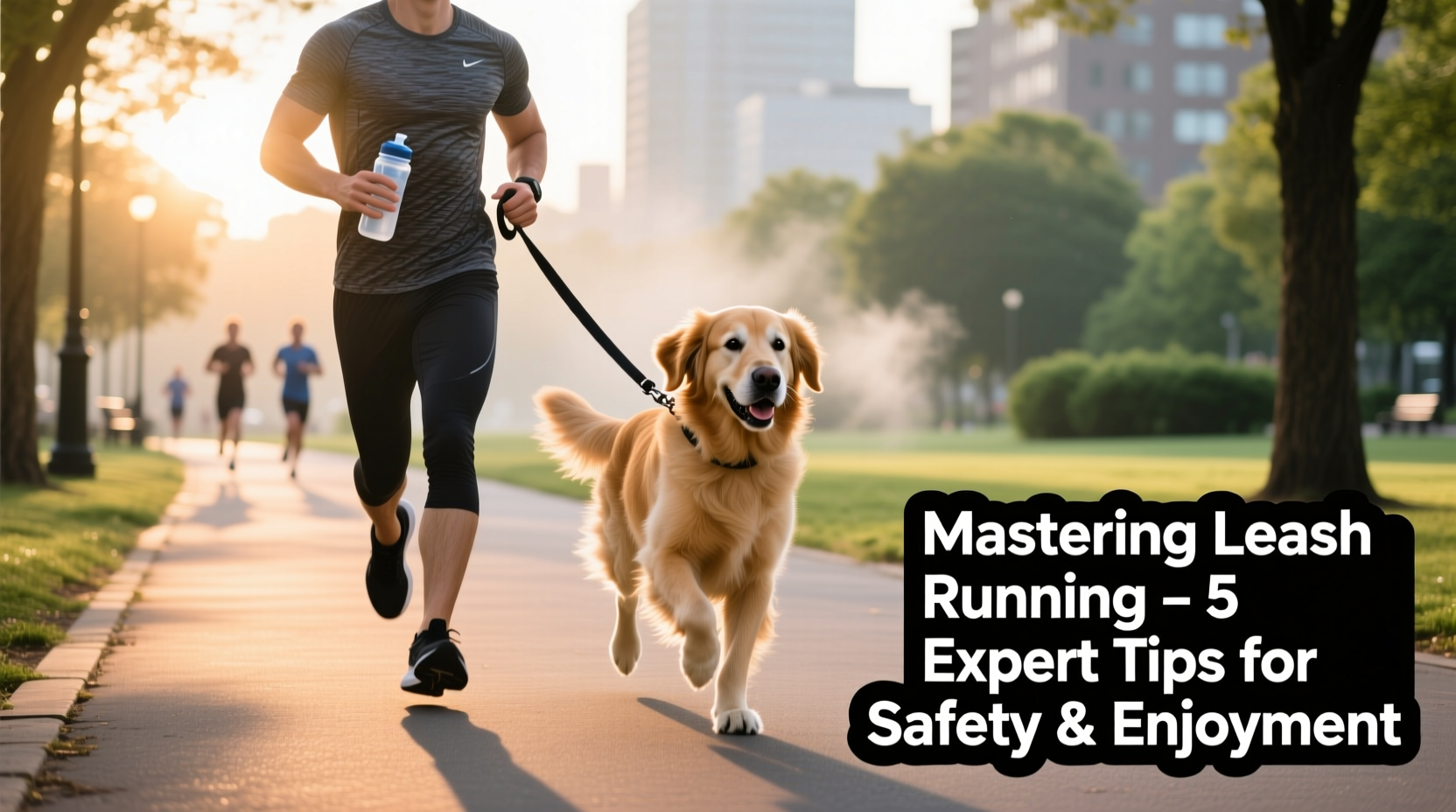
Dogs are natural athletes, but their fitness levels vary widely by breed, age, and health. A Border Collie may thrive on a five-mile trail run, while a Bulldog might struggle after ten minutes. Before lacing up, assess your dog’s physical capabilities. Puppies under 18 months should avoid long runs to protect developing joints. Senior dogs benefit from shorter, slower outings. Brachycephalic breeds like Pugs or Boston Terriers overheat easily and require extra caution.
Heat is a silent threat. Dogs cool themselves primarily through panting, not sweating, making them vulnerable to heatstroke. Avoid running when temperatures exceed 75°F (24°C), especially with humidity. Always bring water and take frequent breaks in shaded areas.
Essential Gear for Safe Leash Running
The right equipment prevents injury and enhances control. Not all leashes and harnesses are built for running. A standard collar can strain your dog’s neck and increase tracheal damage risk, especially during pulling. Instead, opt for a front-clip harness designed to redirect momentum.
| Gear Type | Recommended For Running? | Why |
|---|---|---|
| Standard Neck Collar | No | Risk of neck injury; encourages pulling |
| Back-Clip Harness | Limited use | Can still encourage forward pull |
| Front-Clip Harness | Yes | Redirects dog’s movement toward you |
| Retractable Leash | No | Poor control; dangerous at speed |
| Hands-Free Leash | Yes | Attaches to waist; frees hands, improves balance |
A 4–6 foot fixed-length leash offers optimal control. Bungee-style leashes absorb sudden tugs, reducing joint strain on both ends of the line. Reflective elements enhance visibility during early morning or evening runs.
“Proper gear isn’t just about comfort—it’s a critical component of canine biomechanics and injury prevention.” — Dr. Lena Torres, Veterinary Sports Medicine Specialist
Training Your Dog to Run Nicely on a Leash
Even the most well-intentioned dog won’t naturally pace beside you. Leash running requires structured training. Start with short sessions focused on loose-leash walking before progressing to jogging.
Step-by-Step Guide to Loose-Leash Running
- Begin with walking practice. Use treats or praise to reward your dog for staying within a one-foot radius of your leg.
- Introduce stops. When your dog pulls, stop immediately. Wait until the leash slackens before moving again.
- Add direction changes. Randomly turn 90 degrees to teach your dog to pay attention to your movements.
- Incorporate short jogs. After mastering walking, introduce brief bursts of running, gradually increasing duration.
- Use consistent cues. Verbal commands like “let’s go” or “with me” signal the start of a run.
- End on a positive note. Finish each session before your dog becomes overtired or distracted.
Consistency is crucial. Practice three to four times per week in low-distraction environments before attempting busier trails or sidewalks.
Real-World Example: Transforming a Puller into a Running Partner
Maria, a runner in Boulder, Colorado, adopted a high-energy Australian Shepherd named Kai. Initially, their runs were chaotic—Kai lunged at squirrels, dragged Maria across sidewalks, and became overheated within minutes. Frustrated, she consulted a certified canine fitness trainer.
The trainer recommended switching to a front-clip harness and implementing a six-week training plan. Maria practiced loose-leash walking daily, used directional pivots, and introduced jogging intervals only after Kai could walk calmly for 20 minutes. She also began runs with obedience drills to establish focus.
Within two months, Kai ran consistently at her side for three miles. Today, they complete 5K races together. “It wasn’t about making him run faster,” Maria says. “It was about building communication and trust.”
Common Mistakes and How to Avoid Them
- Skipping warm-up and cool-down. Just like humans, dogs need gradual transitions. Begin with a 3-minute walk and end with stretching if possible.
- Overestimating endurance. Increase mileage by no more than 10% per week to prevent soft tissue injuries.
- Ignoring signs of fatigue. Excessive panting, lagging behind, or stumbling mean it’s time to stop.
- Allowing off-leash running in unsafe areas. Even well-trained dogs can chase wildlife or dart into traffic.
- Forgetting hydration. Bring a portable dog water bottle and bowl on runs over 20 minutes.
Checklist: Pre-Run Preparation
- ✅ Check weather conditions and pavement temperature
- ✅ Attach a properly fitted front-clip harness
- ✅ Use a fixed-length or bungee leash (4–6 feet)
- ✅ Pack water and a collapsible bowl
- ✅ Bring high-value treats for reinforcement
- ✅ Perform a quick health check (paw pads, energy level)
- ✅ Choose a safe, familiar route with shade and minimal traffic
Frequently Asked Questions
Can I run with my puppy?
Puppies should avoid structured running until their growth plates close, typically around 12–18 months depending on breed size. Until then, focus on short walks and play-based exercise to support healthy development.
My dog pulls even after training. What should I do?
Pulling often stems from excitement or lack of impulse control. Revisit foundational training in a quiet area. Consider enlisting a professional trainer who uses positive reinforcement methods. Some dogs respond well to agility drills that build focus and self-regulation.
How do I know if my dog is enjoying the run?
A happy running partner will maintain a steady pace, look toward you frequently, and exhibit relaxed body language—loose tail wag, open mouth, ears in neutral position. If your dog shows reluctance, excessive panting, or limping, reassess distance, terrain, or health factors.
Conclusion: Building a Lifelong Running Partnership
Mastering leash running isn’t about achieving perfect heel position or logging marathon miles. It’s about creating a sustainable, joyful routine that nurtures your dog’s physical health and deepens your connection. With the right gear, consistent training, and respect for your dog’s limits, every run becomes a shared achievement.
Start small, stay patient, and celebrate progress. Whether it’s your first mile together or your hundredth, the rhythm of synchronized footsteps builds something deeper than fitness—it builds trust. Lace up, clip in, and hit the path with confidence.




 浙公网安备
33010002000092号
浙公网安备
33010002000092号 浙B2-20120091-4
Comments
No comments yet. Why don't you start the discussion?