
Walking your dog should be a shared pleasure—a chance to bond, exercise, and explore the world together. Yet for many pet owners, it quickly turns into a struggle of tugging, lunging, and frustration. A loose-leash walk isn’t just about convenience; it’s about communication, trust, and mutual respect between you and your dog. With consistent training and the right approach, any dog can learn to walk calmly by your side. The key lies in understanding canine behavior, using positive reinforcement, and practicing patience.
Understanding Why Dogs Pull on the Leash
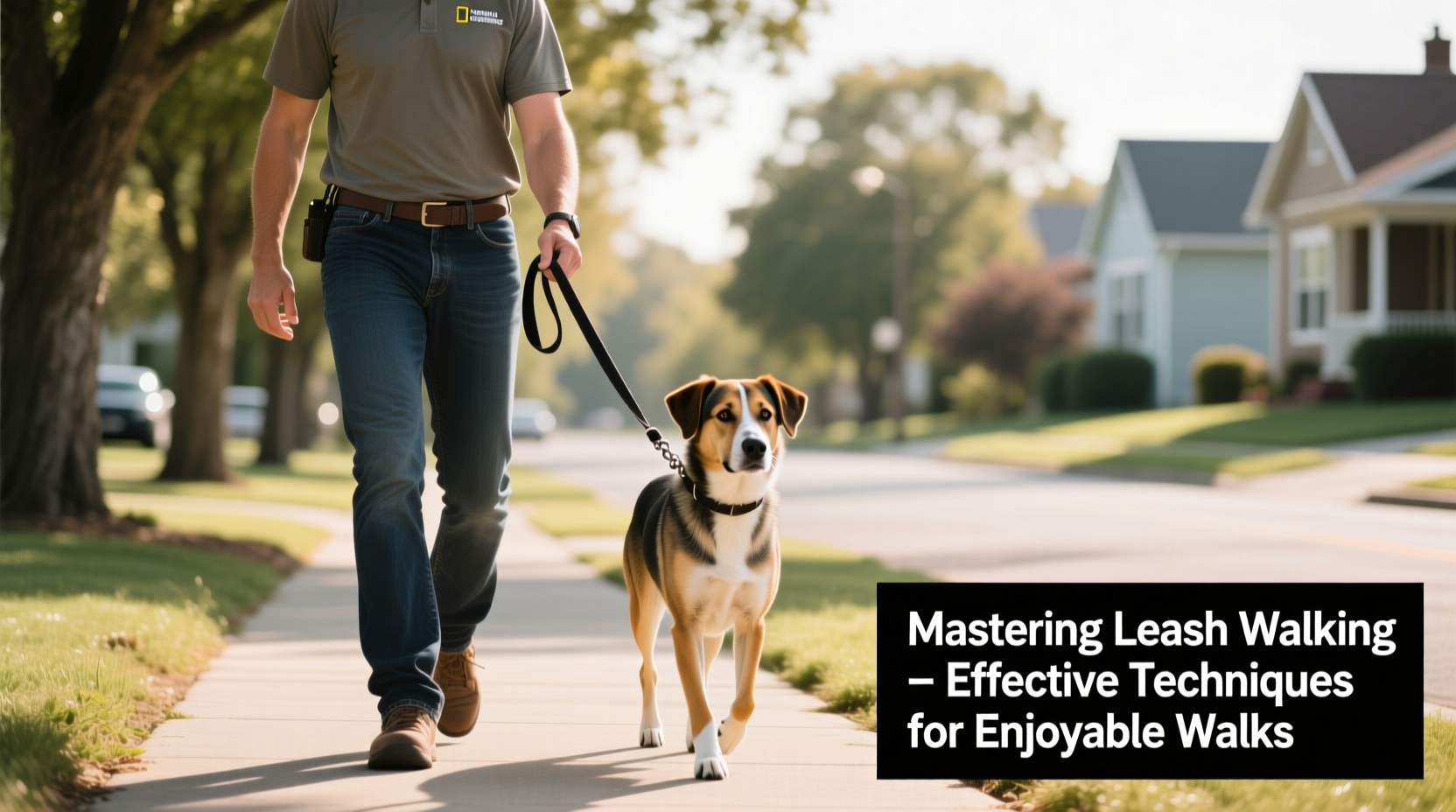
Dogs are naturally curious and energetic. When they sense movement—squirrels, other dogs, bicycles—they want to investigate immediately. In their minds, pulling works: every time they surge forward, they get closer to what interests them. This creates a self-reinforcing cycle. Without intervention, your dog learns that pulling is the fastest way to reach their destination.
Additionally, lack of early training or inconsistent handling can reinforce poor leash manners. Some dogs pull simply because they’ve never been taught an alternative. Others may do so out of excitement, anxiety, or fear. Identifying the root cause—whether it's overstimulation, under-socialization, or simple impatience—is the first step toward correcting the behavior.
Essential Tools for Successful Leash Training
The right equipment sets the foundation for effective training. While no tool replaces proper technique, using gear designed to support good behavior can accelerate progress.
| Tool | Best For | Considerations |
|---|---|---|
| Front-Clip Harness | Dogs who pull strongly | Reduces leverage and redirects attention without choking |
| Head Halter (e.g., Gentle Leader) | Dogs with high prey drive or reactivity | Requires gradual introduction; not suitable for all dogs |
| Standard Collar + Flat Leash | Dogs already trained in loose-leash walking | Avoid use on pullers—risk of neck injury |
| Retractable Leash | Not recommended for training | Encourages pulling and offers poor control |
Choose tools based on your dog’s size, temperament, and current skill level. Never rely on punishment-based methods like prong or shock collars. These can damage your dog’s trust and increase anxiety, making long-term behavioral improvement less likely.
Step-by-Step Guide to Teaching Loose-Leash Walking
Training your dog to walk politely takes consistency, but results appear quickly with daily practice. Follow this six-step timeline to build reliable leash manners.
- Start in a Low-Distraction Environment: Begin in your backyard or quiet driveway. No distractions mean your dog can focus on you.
- Teach “Heel” or “Let’s Go” as a Cue: Use a treat to lure your dog into position beside your left leg. Mark the behavior with a clicker or verbal cue like “yes,” then reward. Repeat until your dog follows consistently.
- Add Movement in Short Bursts: Take three steps forward while keeping the leash slack. Reward when your dog stays beside you. If they pull, stop immediately and wait for the leash to loosen before continuing.
- Incorporate Direction Changes: Randomly turn around or change direction. This teaches your dog to watch you instead of forging ahead. Reward attention and quick responses.
- Gradually Increase Difficulty: Move to quieter sidewalks, then busier streets. Practice near mild distractions like parked cars or distant dogs.
- Maintain Consistency Across All Walks: Apply the same rules every time. Never allow pulling occasionally—it confuses your dog and weakens training.
Each session should last 5–10 minutes. Multiple short sessions per day are more effective than one long walk filled with corrections.
Real Example: Transforming Max, the Eager Beagle
Max, a two-year-old beagle, used to lunge at every scent, dragging his owner down the street. His walks were exhausting, and he rarely responded to calls. His owner began training in the backyard using a front-clip harness and chicken treats. She practiced the “stop-and-go” method: whenever Max pulled, she froze. After just five days of twice-daily 7-minute sessions, Max started checking in before moving forward. Within three weeks, he walked calmly past squirrels and other dogs, turning to look at his owner when excited. The transformation wasn’t magic—it was repetition, timing, and positive reinforcement.
“Dogs don’t pull to dominate—they pull because it works. Change the outcome, and you change the behavior.” — Dr. Karen Becker, DVM, Certified Animal Behaviorist
Common Mistakes That Sabotage Progress
Even well-meaning owners unknowingly undermine their training efforts. Avoid these pitfalls:
- Inconsistency: Letting your dog pull sometimes (e.g., when late) teaches them that pulling eventually gets results.
- Yanking Back: Jerking the leash creates tension and fear. It also reinforces a tug-of-war mentality.
- Expecting Perfection Too Soon: Dogs learn through repetition. Expect setbacks, especially in stimulating environments.
- Using Long Leashes Prematurely: Extended leashes give dogs too much freedom before they’ve earned it.
- Neglecting Attention Cues: Focusing only on position ignores the deeper goal—engagement with you.
Checklist: Daily Leash Training Routine
Follow this checklist each day to ensure steady progress:
- ✅ Use a front-clip harness or head halter if needed
- ✅ Carry small, high-value treats
- ✅ Choose a quiet starting location
- ✅ Limit training sessions to 5–10 minutes
- ✅ Reward attention, loose leash, and position
- ✅ Stop and reset when leash tightens
- ✅ End on a positive note—even if it’s just one good step
Frequently Asked Questions
How long does it take to train a dog to walk nicely on a leash?
Most dogs show improvement within 2–3 weeks of consistent daily practice. Full reliability in distracting environments may take 2–3 months. Puppies often learn faster than adult dogs, but older dogs can still be trained with patience.
What should I do if my dog reacts to other dogs or people on walks?
Reactivity requires separate management. Increase distance from triggers and use “look at me” or “leave it” cues. Pair sightings with treats to create positive associations. Consider working with a certified trainer if reactivity is severe.
Can I train my dog without treats forever?
Treats are a training tool, not a lifelong crutch. Once behaviors are solid, transition to intermittent rewards—sometimes a treat, sometimes praise or play. The goal is a dog who chooses to stay close because it’s rewarding, not just because food is present.
Conclusion: Walks That Work for Both of You
Mastering leash walking transforms a daily chore into a joyful ritual. It strengthens your relationship, enhances safety, and gives your dog mental stimulation in a controlled way. Success doesn’t require special talent—just commitment, kindness, and clear communication. Start small, celebrate progress, and remember that every step taken together is a step toward better understanding. Your dog isn’t ignoring you when they pull—they just haven’t learned a better way. Now you have the tools to teach them.




 浙公网安备
33010002000092号
浙公网安备
33010002000092号 浙B2-20120091-4
Comments
No comments yet. Why don't you start the discussion?