
Your Lige smartwatch is more than just a timepiece—it’s a personal health companion. With continuous tracking of vital signs like heart rate, sleep patterns, steps, and blood oxygen levels, it provides a constant stream of data that can help you make informed decisions about your well-being. But raw numbers on a screen aren’t useful unless you understand what they mean and how to act on them. This guide breaks down the most important health metrics tracked by your Lige smartwatch, explains their significance, and shows you how to use them effectively to improve your daily life.
Understanding Key Health Metrics
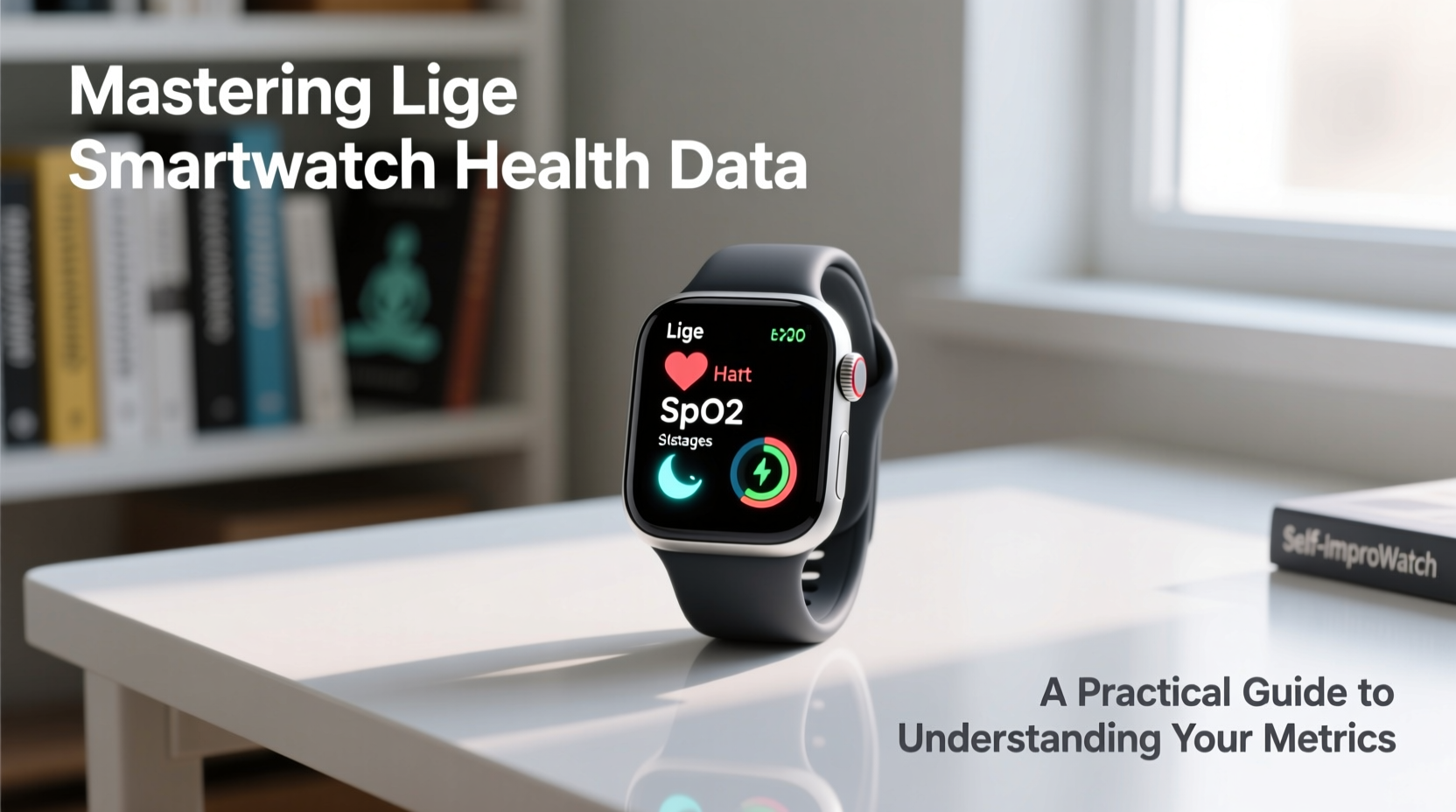
Lige smartwatches monitor several core biometrics. While features may vary slightly between models, most include tracking for heart rate, sleep quality, physical activity, SpO₂ (blood oxygen), and stress levels. Knowing what each metric represents—and when deviations matter—is essential to avoid misinterpretation or unnecessary concern.
- Heart Rate (BPM): Measures beats per minute at rest and during activity. Helps assess cardiovascular fitness and detect irregularities.
- Sleep Stages: Tracks light, deep, and REM sleep duration and efficiency. Poor distribution can indicate fatigue or lifestyle imbalances.
- Steps & Distance: Encourages movement and helps meet daily activity goals, typically aiming for 7,000–10,000 steps.
- SpO₂ (Blood Oxygen Saturation): Indicates how well oxygen is being delivered to tissues. Normal resting levels are 95–100%.
- Stress Score: Derived from heart rate variability (HRV). Higher scores suggest elevated stress; lower values indicate relaxation.
How to Interpret Your Data Accurately
Numbers alone don’t tell the full story. Context turns data into insight. For example, a spike in heart rate during a work meeting might signal anxiety rather than poor fitness. Similarly, a single night of poor sleep doesn’t necessarily reflect chronic insomnia.
Look for trends over time instead of reacting to isolated readings. Most Lige watches sync with mobile apps that visualize weekly or monthly reports. Use these to spot patterns—like consistently low deep sleep on weekend nights or rising daytime stress after dietary changes.
“Wearable data is most powerful when used longitudinally. One-off measurements rarely provide clinical value, but consistent trends can reveal early warning signs.” — Dr. Lena Patel, Preventive Health Researcher
Common Misinterpretations to Avoid
| Metric | Common Misunderstanding | Reality Check |
|---|---|---|
| High resting heart rate | Always indicates poor health | Can be influenced by dehydration, caffeine, illness, or lack of sleep |
| Low SpO₂ at night | Means you have sleep apnea | May be positional; confirm with medical testing if persistent |
| Low step count | You’re sedentary and unhealthy | Active recovery days are part of balanced training |
| High stress score | You need medication | Often resolves with breathing exercises or reduced workload |
Step-by-Step Guide to Optimizing Your Health Routine
Using your Lige smartwatch effectively requires more than passive monitoring. Follow this five-step process to turn data into action:
- Sync and Review Weekly: Connect your watch to the app every Sunday morning. Scan for anomalies and note any recurring issues.
- Identify One Focus Area: Choose a single metric to improve—such as increasing deep sleep or lowering average resting heart rate.
- Adjust Lifestyle Factors: If sleep quality is low, try reducing screen time before bed or maintaining a cooler room temperature.
- Test Changes Over 14 Days: Implement one change at a time and track its impact. Avoid making multiple adjustments simultaneously.
- Reassess and Iterate: After two weeks, compare averages. If no improvement, consider alternative interventions or consult a healthcare provider.
Real-Life Example: Improving Sleep Quality
Mark, a 38-year-old project manager, noticed his Lige watch consistently reported only 45 minutes of deep sleep per night—well below the recommended 1.5–2 hours. His overall sleep duration was adequate (7 hours), but he still felt fatigued during the day.
After reviewing his data, Mark observed that high stress scores and late-night screen usage coincided with poor deep sleep. He decided to test a new routine: turning off all screens by 9:30 PM and practicing 10 minutes of guided breathing before bed.
Within 10 days, his deep sleep increased to 1 hour 20 minutes, and his morning energy levels improved noticeably. The smartwatch didn’t cure his fatigue—but it highlighted the issue and helped him validate a solution.
Actionable Checklist: Maximizing Your Lige Watch’s Value
To get the most out of your device, follow this practical checklist regularly:
- ✅ Charge your watch nightly to ensure uninterrupted sleep tracking
- ✅ Calibrate step counting by walking 200 known steps and adjusting stride length in the app
- ✅ Enable automatic heart rate monitoring (every 10–15 minutes)
- ✅ Review weekly summaries every Sunday morning
- ✅ Set gentle reminders to stand or breathe if you have a desk job
- ✅ Compare weekend vs. weekday trends to assess work-life balance
- ✅ Share long-term reports with your doctor during annual checkups
Frequently Asked Questions
Is my Lige smartwatch medical-grade?
No. While the sensors are reasonably accurate for general wellness tracking, they are not intended for medical diagnosis. Always consult a healthcare professional for concerns about heart conditions, sleep disorders, or chronic symptoms.
Why does my heart rate spike randomly during the day?
Short spikes are normal and can result from standing up quickly, emotional reactions, or even digestion. However, frequent unexplained elevations—especially above 120 BPM at rest—should be discussed with a physician.
Can I rely on SpO₂ readings to detect health problems?
The SpO₂ sensor provides estimates, not lab-grade precision. It can help identify potential issues (e.g., overnight desaturation), but should not replace pulse oximetry tests performed in clinical settings.
Conclusion: Turn Data Into Daily Wisdom
Your Lige smartwatch gives you access to real-time insights once reserved for clinics and labs. But the true benefit lies not in collecting data, but in interpreting it wisely and acting with intention. Whether you're improving sleep, managing stress, or simply staying active, consistent awareness leads to better habits. Don’t obsess over perfection—focus on progress. Small, sustained changes guided by your metrics can lead to meaningful improvements in energy, mood, and long-term health.




 浙公网安备
33010002000092号
浙公网安备
33010002000092号 浙B2-20120091-4
Comments
No comments yet. Why don't you start the discussion?