
The spring trench coat is a timeless staple—structured yet fluid, elegant yet functional. As temperatures fluctuate between crisp mornings and warm afternoons, the trench becomes your most versatile ally. But its true potential emerges not just in how it looks, but in how you wear it: through thoughtful, intelligent layering. The key lies in mastering lightweight layers that maintain the coat’s silhouette while adapting to shifting conditions throughout the day.
Unlike heavy winter outerwear, the trench coat demands subtlety. Bulky sweaters distort its clean lines, while too little insulation leaves you chilled during early hours. Achieving balance requires understanding fabric weight, fit coordination, and strategic material choices. When done right, layering under a trench elevates both comfort and style, turning transitional weather into an opportunity for sartorial expression.
The Foundation: Choosing the Right Trench Coat
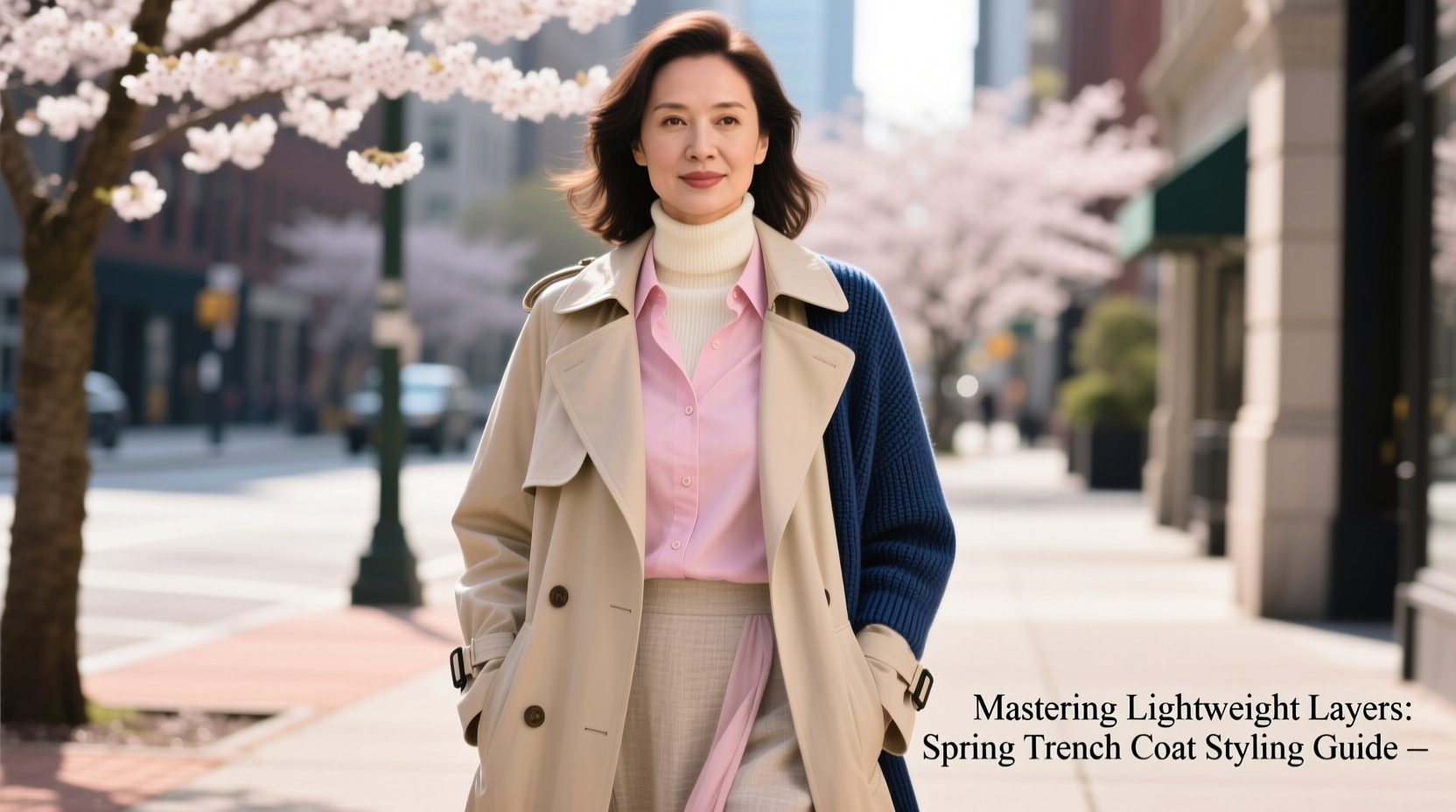
Before layering begins, ensure your trench supports the effort. A well-fitted trench should allow room for one or two light garments without pulling at the buttons or straining the shoulders. Classic trench coats are traditionally made from cotton gabardine—a tightly woven, weather-resistant fabric that breathes better than synthetics. However, modern versions may use blends or technical fabrics designed for added flexibility.
Pay attention to cut. Slim-fit trenches look sharp but offer limited space underneath. For easier layering, opt for a tailored-but-relaxed silhouette with slightly extended shoulders and a half-belt or single-breasted closure. Length also matters: mid-thigh to knee-length provides optimal coverage while allowing layered pieces to remain visible and intentional.
“Layering isn’t about adding bulk—it’s about building dimension. A trench should enhance your outfit, not bury it.” — Julian Reed, Menswear Stylist & Seasonal Fashion Consultant
Principles of Lightweight Layering
Effective layering follows three core principles: temperature regulation, visual harmony, and mobility. Spring weather is unpredictable, so each layer must serve a purpose beyond aesthetics. Start with these guidelines:
- Base Layer First: Always begin with a breathable, moisture-wicking foundation that sits close to the skin.
- Mid-Layer Flexibility: This layer adds warmth without compromising movement or form.
- Outer Integrity: The trench should drape cleanly, preserving its architectural design.
- Proportional Balance: Avoid top-heavy silhouettes by keeping lower garments streamlined.
Step-by-Step Guide to Building Your Layers
Follow this sequence to construct a balanced, adaptable outfit beneath your trench coat:
- Start with a Base Layer (Skin-Level): Choose a fine-gauge merino wool, silk, or high-quality cotton blend. These materials regulate temperature and resist odor. For men, a long-sleeve thermal tee works; for women, a fitted turtleneck or camisole serves well.
- Add a Mid-Layer (Insulation): Select a lightweight cardigan, shawl-collar sweater, or unstructured blazer. Knits should be no heavier than 12-gauge. Consider cropped styles to avoid hem interference with the trench.
- Integrate Shirts or Blouses (Optional): A button-down shirt adds polish and can be partially unbuttoned when warming up. Opt for poplin or chambray—fabrics that layer smoothly without puffing.
- Finalize with the Trench: Button only the top one or two closures for ease of movement. Roll sleeves slightly to reveal wrist details like watches or bracelets, which personalize the look.
Material Matters: What to Wear and What to Avoid
Fabric choice directly impacts how layers interact. Heavy materials like thick cable knits or denim jackets defeat the purpose of a spring trench. Instead, prioritize natural fibers with drape and resilience.
| Fabric Type | Best For | Avoid If |
|---|---|---|
| Merino Wool | Temperature control, softness, odor resistance | You need frequent machine washing |
| Cotton Poplin | Shirts, light structure, breathability | High humidity (can cling when damp) |
| Silk or Silk-Blend | Luxurious base layers, smooth glide under fabrics | Budget constraints or rough handling expected |
| Modal/Rayon Blends | Draping tees, breathable mid-layers | Need shape retention after washing |
| Thick Cable Knit | - | Wearing under structured outerwear |
Real-World Example: A Day in London
Consider Sarah, a marketing consultant based in London. Her weekday commute involves walking 15 minutes to the tube, followed by indoor meetings and an evening client dinner. Mornings hover around 8°C (46°F), rising to 17°C (63°F) by afternoon.
She starts with a black merino turtleneck as her base. Over it, she wears a pale blue cotton-poplin shirt, left open at the collar. Her mid-layer is a charcoal gray, cropped V-neck cardigan—light enough to remove discreetly during meetings. Her beige trench, double-breasted but loosely cut, accommodates all layers without strain. Inside, she unbuttons the coat and removes the cardigan, folding it over her arm. The remaining pieces transition seamlessly from office to dinner, maintaining a cohesive color palette and professional aesthetic.
This approach demonstrates adaptability: each layer has a role, and none are redundant. The trench remains the focal point, framing rather than concealing her outfit.
Essential Checklist for Perfect Trench Layering
Use this checklist before stepping out in your spring trench:
- ✅ Base layer is non-bulky and moisture-wicking
- ✅ Mid-layer fits comfortably under arms and across back
- ✅ Shirt collars or necklines are visible and neatly arranged
- ✅ Trench buttons easily without tension
- ✅ Hem lengths don’t clash (mid-layer ends above trench waistline preferred)
- ✅ Fabric colors complement rather than compete
- ✅ You can move freely—reach, sit, bend—without restriction
- ✅ One removable piece is available for indoor adjustments
Frequently Asked Questions
Can I wear a hoodie under my trench coat?
While possible, hoodies often disrupt the trench’s refined aesthetic and add unnecessary volume at the neck. If warmth is critical, choose a slim, zip-up fleece hoodie in a neutral tone and pair it with a more casual trench style. Avoid puffer hoods—they break the line and trap heat uncomfortably.
Is it acceptable to leave the trench unbuttoned?
Yes, especially in milder conditions. An unbuttoned trench creates a dynamic, flowing look and allows layered pieces to be seen. However, ensure your inner layers are intentional and coordinated. A disheveled base defeats the purpose of styling.
How do I avoid overheating during the day?
Designate one layer as “removable”—typically the mid-layer. Carry a lightweight garment bag or fold it neatly into a tote. Choose pieces that don’t wrinkle easily, such as wool blends or structured knits. Avoid items that lose shape when compressed.
Final Thoughts: Elevate Your Spring Style
Mastering lightweight layers under a spring trench coat transforms uncertain weather into a chance to refine your personal style. It’s not about enduring the elements, but embracing them with intention. The right combination of base, mid, and outer layers ensures you stay comfortable, polished, and prepared for whatever the day brings.
Great layering reflects awareness—of fabric, fit, function, and form. When executed well, it appears effortless, even though it’s the result of careful planning. Whether you're navigating city streets or attending a daytime meeting, your trench should feel like an extension of your wardrobe logic, not a compromise.




 浙公网安备
33010002000092号
浙公网安备
33010002000092号 浙B2-20120091-4
Comments
No comments yet. Why don't you start the discussion?