
The Marvel Legends line has long been a favorite among collectors and hobbyists, offering detailed sculpts, dynamic articulation, and iconic characters from across the Marvel Universe. But for many enthusiasts, the real magic begins after the box is opened—when customization transforms an already impressive figure into a truly unique creation. Whether you're recreating alternate costumes, designing original characters, or restoring vintage variants, mastering advanced customization techniques elevates your collection from display to art.
Customization isn’t just about changing paint—it’s a blend of sculpting, engineering, color theory, and storytelling. With the right tools and mindset, even intermediate hobbyists can produce results that rival professional work. This guide dives deep into the methods used by top customizers, covering everything from seamless part swaps to advanced weathering and resin casting.
Selecting the Right Base Figure
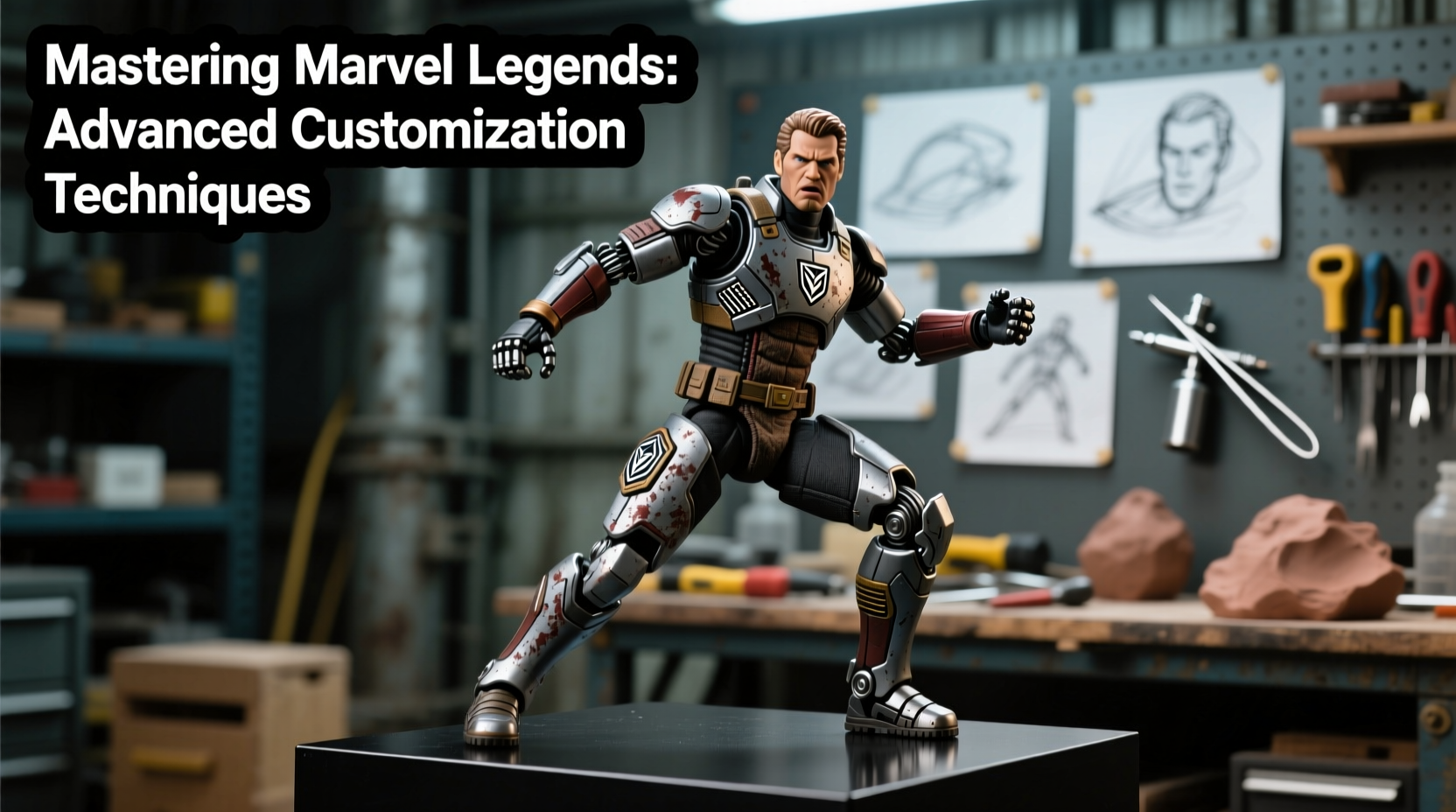
Not all Marvel Legends figures are created equal when it comes to customization. The success of your project often hinges on choosing a compatible base. Look for figures with similar body types, articulation points, and scale. For example, using a 6-inch Spider-Man body as the foundation for a Daredevil repaint works well due to shared proportions, but attempting the same with a heavily armored Iron Man may lead to misalignment.
Consider these factors when selecting a donor:
- Sculpt Detail: High-detail sculpts provide better texture for paint applications and reduce the need for additional sculpting.
- Articulation Match: Ensure joints align properly if combining parts from different figures.
- Access to Internals: Some figures have easily removable torsos or limbs, simplifying internal modifications.
Advanced Painting Techniques for Realistic Results
Paint is where personality emerges in a custom figure. While basic acrylics work for touch-ups, advanced customization demands a more refined approach. Airbrushing remains the gold standard for smooth gradients, subtle shading, and realistic weathering effects.
Start with proper prep: clean all surfaces with isopropyl alcohol, then apply a primer compatible with plastic (such as Mr. Surfacer 1000). Once dry, use thin layers of acrylic or enamel paints via airbrush to build up color. For metallic finishes like Captain America’s shield or War Machine’s plating, consider using aluminum-based paints followed by a gloss coat and selective dry brushing to highlight raised details.
“Consistency in layering and patience between coats separate amateur finishes from museum-quality work.” — Jason Reed, Professional Figure Customizer
For organic textures like fabric or skin, simulate depth with washes and filters. A black or brown enamel wash settles into crevices, defining seams and folds. After drying, gently wipe excess with a soft cloth to preserve detail without muddying the surface.
Part Swapping and Sculpting for Unique Designs
One of the most powerful aspects of Marvel Legends customization is the ability to mix and match components. Advanced builders often combine elements from multiple figures to create hybrid designs—such as placing a classic Wolverine head on a X-Force body with updated articulation.
When swapping parts, ensure compatibility through test-fitting before permanent attachment. Use super glue (cyanoacrylate) for secure bonds, especially on load-bearing joints. If gaps appear at connection points, fill them with green stuff (epoxy putty) and sculpt seamlessly over the transition.
For entirely new elements—like adding claws, capes, or energy effects—sculpting becomes essential. Milliput or Kneadatite are ideal for small-scale modeling. Apply in stages, allowing each layer to cure before refining with precision tools. Once shaped, prime and paint the addition to match the rest of the figure.
Step-by-Step: Creating a Seamless Part Swap
- Disassemble both donor and target figures.
- Test-fit the new part; note any alignment issues.
- Trim or sand connection areas for a flush fit.
- Apply epoxy putty to seal gaps and reinforce joints.
- Allow full curing (minimum 24 hours).
- Prime and paint to unify the finish.
- Seal with matte or satin varnish for protection.
Do’s and Don’ts of Figure Customization
| Do | Don’t |
|---|---|
| Use UV-resistant sealants to prevent yellowing | Expose painted figures to direct sunlight long-term |
| Work in a dust-free environment when painting | Skip priming plastic surfaces |
| Label and store spare parts systematically | Discard broken figures—salvage usable components |
| Practice airbrush control on test models first | Apply thick paint layers that obscure sculpted detail |
Mini Case Study: The Evolution of “Stealth Black Widow”
Danielle M., a longtime Marvel fan and hobbyist from Portland, wanted to create a tactical version of Black Widow based on her appearance in *Avengers: Age of Ultron*. She started with a standard Hasbro release but found the red hair and bright costume too theatrical for her vision.
She replaced the head with a masked variant from a secondary figure, swapped in black tactical gloves, and extended the leg armor using trimmed pieces from a Winter Soldier kit. After sealing the joints with epoxy, she airbrushed the entire figure with flat black, adding dark gray dry brushing to emphasize musculature and gear panels. Finally, she applied a red-tinted lens effect to the mask using diluted enamel paint.
The result was a stealth-operational Black Widow that felt grounded and modern. Danielle later entered the piece in a local pop culture convention contest and won Best Custom Figure. Her secret? “Patience with paint layers and respecting the original sculpt,” she said. “You’re enhancing, not hiding, the design.”
Customization Checklist: From Concept to Completion
- Define the character concept (alternate universe, movie variant, original design)
- Gather donor figures and necessary tools
- Disassemble and test-fit all components
- Modify or sculpt missing elements
- Prime all surfaces evenly
- Paint using layered techniques (base, shade, highlight)
- Apply protective topcoat
- Reassemble and photograph under consistent lighting
Frequently Asked Questions
Can I customize a figure without damaging its collectible value?
Once modified, a figure is no longer considered “mint in package” or collector-grade in the traditional sense. However, highly skilled customs often gain their own value within niche communities. If preserving original value matters, customize duplicates or older releases instead of rare variants.
What’s the best way to attach heavy accessories like capes or weapons?
For durable mounting, drill a small hole into the figure’s back post and insert a brass rod connected to the accessory. Secure with super glue and epoxy for stability. This method prevents stress on plastic pegs and allows for dynamic posing.
How do I make my paint job last longer?
After painting, seal the figure with a high-quality matte or satin varnish designed for plastics. Brands like AK Interactive or Tamiya offer UV-resistant options that prevent fading and chipping. Avoid handling the figure with bare hands post-sealant to minimize oil transfer.
Conclusion: Bring Your Vision to Life
Customizing Marvel Legends figures is more than a craft—it’s a form of personal expression rooted in fandom and technical skill. By mastering advanced techniques like precision part swapping, airbrush painting, and small-scale sculpting, you transform mass-produced toys into one-of-a-kind tributes to your favorite characters.
The journey requires patience, practice, and a willingness to learn from mistakes. But every brushstroke, every sculpted seam, brings you closer to creating something truly yours. Whether you’re building for display, competition, or pure enjoyment, the only limit is imagination.




 浙公网安备
33010002000092号
浙公网安备
33010002000092号 浙B2-20120091-4
Comments
No comments yet. Why don't you start the discussion?