
In an age where smartphones store everything from personal photos to banking details, securing your device is no longer optional—it's essential. One of the simplest yet most effective ways to protect your data is by using a strong, regularly updated phone password. Despite its importance, many users continue to rely on weak PINs, patterns, or outdated passwords, leaving their devices vulnerable to unauthorized access. This guide walks you through the practical steps to change your phone password securely, regardless of whether you're using an iPhone or Android device. You’ll also learn best practices for creating stronger passcodes and maintaining long-term mobile security.
Why Changing Your Phone Password Matters
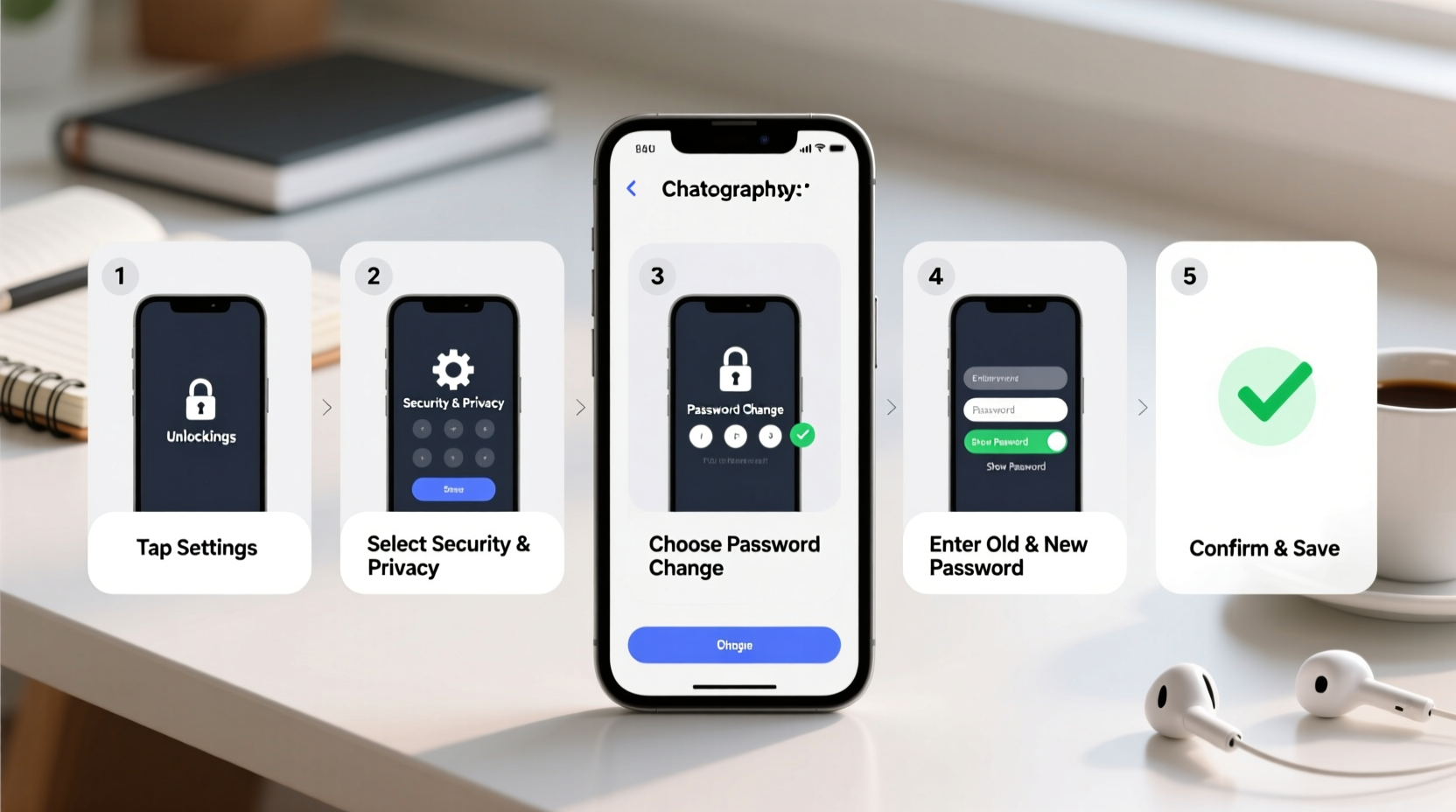
Your smartphone is more than just a communication tool—it’s a digital vault. It holds your messages, emails, social media accounts, health data, and even two-factor authentication codes. If someone gains physical access to your unlocked phone, they can exploit this information in seconds. A strong password acts as the first line of defense against theft, loss, or casual snooping.
Security experts consistently recommend updating your phone password periodically—especially after lending your device, traveling, or suspecting suspicious activity. According to the National Institute of Standards and Technology (NIST), regular credential updates reduce the risk of compromise, particularly when combined with other security measures like biometric authentication and encryption.
“Your phone password is the gatekeeper to your digital life. Make it strong, keep it private, and update it regularly.” — Dr. Lena Torres, Cybersecurity Researcher at SecureMobile Labs
Step-by-Step Guide to Changing Your Phone Password
Changing your phone password is a quick process that takes less than five minutes. The exact steps vary slightly depending on your operating system. Below are detailed instructions for both major platforms.
For iPhone Users (iOS 16 and later)
- Open the Settings app.
- Tap Face ID & Passcode (or Touch ID & Passcode if applicable).
- Enter your current passcode when prompted.
- Select Change Passcode.
- Input your old passcode again for verification.
- Enter your new six-digit passcode. For enhanced security, tap Passcode Options and choose “Custom Alphanumeric Code” to include letters and symbols.
- Re-enter the new code to confirm.
- Exit the menu. Your passcode is now updated.
For Android Users (Android 13 and later)
- Navigate to Settings.
- Tap Security or Biometrics and Security, depending on your device model.
- Select Screen Lock Type or Lock Screen.
- Authenticate using your current PIN, pattern, or password.
- Choose Password (recommended) or PIN for higher security.
- Enter a new password or PIN. Use at least eight characters with a mix of uppercase, lowercase, numbers, and symbols.
- Confirm the new entry.
- Wait for the confirmation message: “Screen lock updated.”
Best Practices for Stronger Mobile Security
A changed password only enhances security if it’s strong and properly managed. Follow these expert-backed strategies to maximize protection.
- Use longer passcodes: Upgrade from a 4-digit PIN to a 6-digit numeric code or alphanumeric password.
- Enable biometric authentication: Combine your password with Face ID or fingerprint recognition for layered security.
- Don’t reuse passwords: Never use the same password across multiple devices or accounts.
- Turn on auto-lock: Set your phone to lock automatically after 30 seconds of inactivity.
- Avoid writing down passwords: If necessary, store them in a trusted password manager instead of notes or paper.
Do’s and Don’ts of Phone Password Management
| Do’s | Don’ts |
|---|---|
| Use a unique password not shared with other devices | Use simple patterns like “swipe up” or “Z-shape” |
| Update your password every 3–6 months | Share your unlock method with others |
| Enable two-factor authentication where possible | Leave your phone unlocked while charging in public |
| Use a password manager to generate strong codes | Store passwords in unencrypted files or text messages |
Real-World Example: How a Simple Password Change Prevented Data Theft
Consider the case of Mark, a marketing executive who left his phone unattended during a client meeting. His colleague jokingly picked it up, tried the default \"1234\" PIN—common on factory-reset devices—and gained full access. Alarmed, Mark immediately changed his password to a complex 10-character alphanumeric code and enabled Face ID. Later, he discovered that his email had been accessed from an unknown location before the change. Because he acted quickly, he avoided credential harvesting and potential corporate data leaks. This incident underscores how a simple, timely password update can prevent serious breaches.
Essential Security Checklist
To ensure your phone remains secure after changing your password, follow this actionable checklist:
- ✅ Change your phone password every 3–6 months
- ✅ Replace 4-digit PINs with 6-digit or alphanumeric codes
- ✅ Enable biometric authentication (fingerprint or face unlock)
- ✅ Activate remote wipe and locate features (Find My iPhone / Find My Device)
- ✅ Review app permissions and disable unnecessary access
- ✅ Install OS updates promptly—they often include critical security patches
- ✅ Avoid unlocking your phone in crowded or public spaces
Frequently Asked Questions
How often should I change my phone password?
Security professionals recommend updating your phone password every 3 to 6 months, especially if you frequently lend your device, travel, or notice unusual login attempts. Immediate changes are advised if you suspect your phone has been accessed without permission.
Is a PIN less secure than a password?
Yes, generally. A 4-digit PIN offers only 10,000 possible combinations, making it vulnerable to brute-force attacks. A 6-digit PIN improves security, but a custom alphanumeric password (e.g., “7Km#p2xL”) is significantly stronger due to billions of possible combinations and resistance to guessing.
What should I do if I forget my new phone password?
If you forget your password, most devices allow recovery via your Google or Apple account. However, this may require proof of ownership and could result in data loss. To avoid this, consider storing your password in a secure password manager and enabling backup authentication methods like recovery email or trusted devices.
Take Control of Your Digital Safety Today
Changing your phone password is one of the easiest and most impactful steps you can take toward better mobile security. Whether you’re using an iPhone or Android device, the process is straightforward and takes only a few minutes. By choosing stronger passcodes, enabling biometric locks, and following best practices, you dramatically reduce the risk of unauthorized access. Don’t wait until your device is lost or compromised—proactive security is always better than reactive damage control.




 浙公网安备
33010002000092号
浙公网安备
33010002000092号 浙B2-20120091-4
Comments
No comments yet. Why don't you start the discussion?