
In an age of constant stimulation and cluttered environments, the appeal of modern simplicity has never been stronger. It’s not about stark minimalism or sacrificing comfort—it’s about curating a space that feels open, intentional, and inherently calming. Modern simplicity blends clean lines, functional design, and thoughtful details to create homes that are both stylish and livable. The best part? You don’t need a full renovation or a designer budget to achieve it. With a few strategic choices, you can transform your home into a sanctuary of effortless elegance.
The Essence of Modern Simplicity
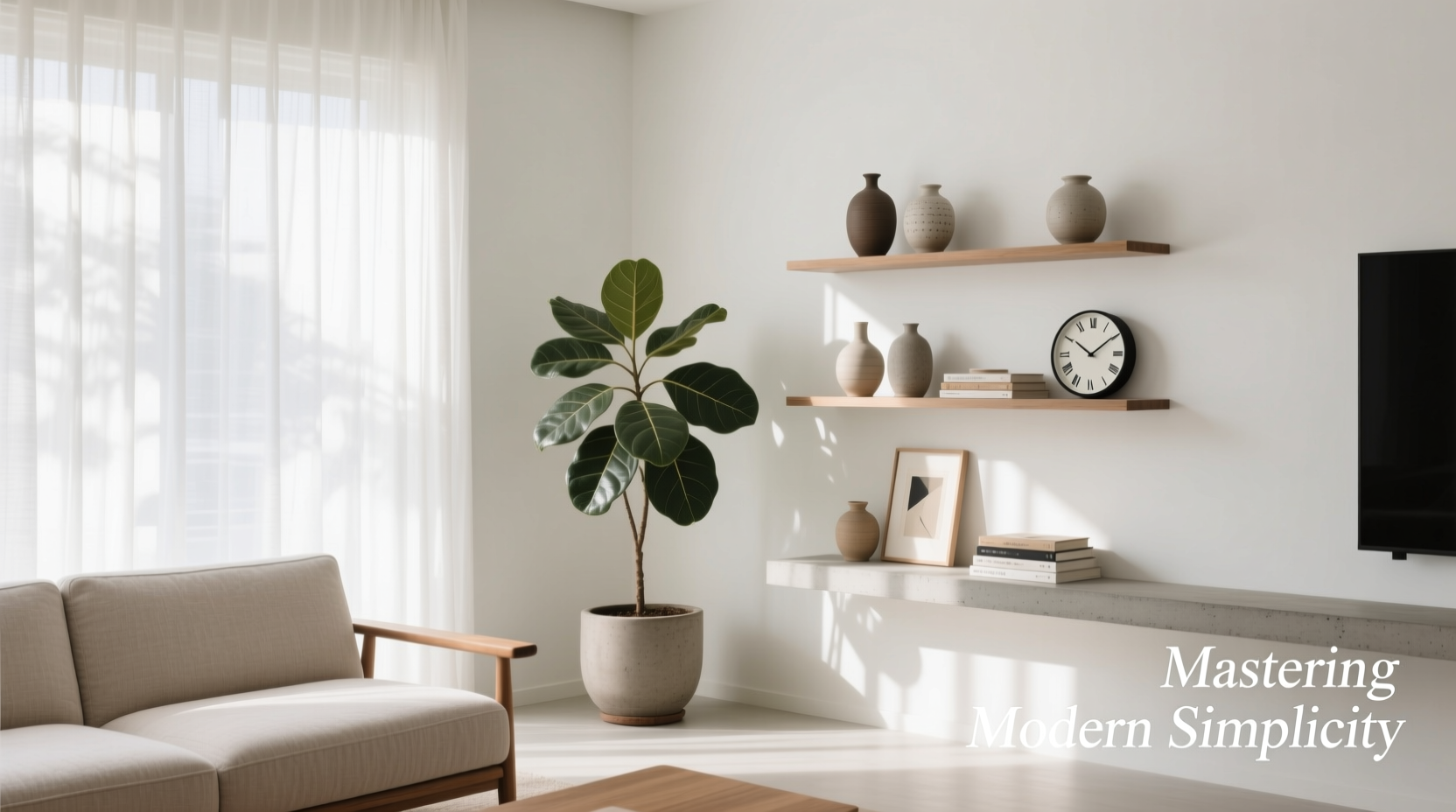
Modern simplicity is rooted in clarity. It values quality over quantity, function over ornamentation, and harmony over chaos. This aesthetic draws from Scandinavian, Japanese, and mid-century modern influences—traditions that emphasize balance, natural materials, and uncluttered spaces. But more than a visual style, it’s a mindset: choosing what serves you and letting go of what doesn’t.
A truly simple space isn’t empty—it’s purposeful. Every object has a reason for being there, whether it brings joy, utility, or beauty. The goal is to reduce visual noise so that the things you love can shine.
“Simplicity isn’t about having less. It’s about making room for more of what matters.” — Ingrid Jensen, Interior Designer & Author of *Calm Spaces*
Declutter with Intention
Before introducing new decor, begin by editing what you already own. Walk through each room and ask: Does this item serve a purpose? Do I genuinely like how it looks? If it fails either test, consider removing it. Start with surfaces—countertops, shelves, coffee tables—where clutter accumulates most.
Choose a Cohesive Color Palette
Color sets the tone for simplicity. Neutral bases—soft whites, warm grays, beige, and muted earth tones—create a calm backdrop that allows textures and forms to stand out. These shades reflect light, making rooms feel larger and airier.
To avoid sterility, layer in subtle contrast. A charcoal throw pillow on a cream sofa, a black-framed mirror against a white wall, or a walnut side table on a light oak floor adds depth without disruption. Limit bold accents to one or two per room—a terracotta vase, a navy rug, or a single gallery wall in a consistent frame style.
| Room Type | Recommended Base Colors | Accent Options |
|---|---|---|
| Living Room | Warm gray, oatmeal, soft white | Olive green, deep rust, black metal |
| Bedroom | White, linen, pale taupe | Dusty blue, charcoal, natural wood |
| Kitchen | Cream, greige, warm white | Black hardware, sage green towels |
| Bathroom | White, light gray, soft blue | Brass fixtures, navy mat |
Invest in Functional Furniture
Furniture should support your lifestyle, not just look good. Choose pieces with clean silhouettes and multi-purpose functionality. A storage ottoman doubles as seating and hidden organization. A platform bed with drawers eliminates the need for a bulky dresser. A sleek console table behind the sofa frees up floor space while providing display and storage.
Materials matter. Opt for natural finishes like oak, ash, or teak. Their grain adds warmth and character without overwhelming the senses. Avoid overly ornate carvings or dark, heavy woods that dominate a room.
Embrace Negative Space
Negative space—the empty areas around objects—is a powerful design tool. It gives the eye room to rest and allows individual pieces to stand out. Resist the urge to fill every shelf or hang art on every wall. Leave breathing room between furniture, and allow blank walls to exist.
In practice, this means placing a single statement plant on a side table instead of clustering three small ones. It means hanging one large piece of art rather than a crowded collage. It means leaving the corner of the living room open for movement and light.
Create Zones with Texture and Layering
Simplicity doesn’t mean flat or boring. Warmth comes from texture: a nubby wool throw, a seagrass rug, linen curtains, or a ceramic lamp base. These tactile elements add richness without clutter.
Layer thoughtfully. Start with smooth surfaces (painted walls, hardwood floors), then introduce medium texture (cotton upholstery, woven baskets), and finish with high texture (knit blankets, stone accessories). Keep the palette consistent so textures complement rather than compete.
A Real-Life Transformation: The Smith Family Living Room
The Smiths’ living room was once packed with mismatched furniture, knickknacks from travels, and a TV cabinet overflowing with cords and remotes. They loved the space but felt anxious in it. After applying principles of modern simplicity, they made key changes:
- Removed two armchairs to open up floor space
- Replaced a busy floral sofa with a neutral modular sectional
- Installed a wall-mounted TV and concealed wires with a cord cover
- Added a single textured jute rug and two ceramic lamps
- Curated a bookshelf to display only favorite reads and a few plants
The result? A room that feels twice as large, easier to clean, and inviting to spend time in. “We didn’t lose our personality,” says Sarah Smith. “We just stopped hiding it under clutter.”
Step-by-Step Guide to Simplifying Your Space
Follow this five-step process to bring modern simplicity into any room:
- Clear the surface clutter: Remove all non-essential items from tables, counters, and shelves. Wipe down surfaces.
- Edit your belongings: Sort items into keep, donate, relocate, or discard. Be ruthless with duplicates and unused decor.
- Define zones: Identify primary functions (e.g., lounging, reading, dining) and arrange furniture to support them.
- Select a color story: Choose 2–3 base colors and 1–2 accent tones. Repaint or reaccessorize as needed.
- Add intentional details: Bring in lighting, plants, and textiles that enhance mood and function without overcrowding.
Lighting: The Silent Style Enhancer
Good lighting transforms a simple room into a serene retreat. Rely on layered lighting: ambient (ceiling lights), task (reading lamps), and accent (wall sconces, under-cabinet strips).
Choose fixtures with minimalist designs—matte black, brushed brass, or simple white globes. Dimmer switches allow you to adjust brightness for different moods. Natural light is equally important: keep windows unobstructed during the day and use sheer or light-filtering curtains.
Checklist: Achieve Modern Simplicity in 7 Actions
- ✅ Declutter all visible surfaces
- ✅ Adopt a 3-color maximum palette per room
- ✅ Replace at least one bulky item with multifunctional furniture
- ✅ Introduce one natural material (wood, stone, linen)
- ✅ Edit wall decor to one focal point per wall
- ✅ Upgrade lighting with warm-toned bulbs (2700K–3000K)
- ✅ Incorporate greenery with low-maintenance plants (snake plant, ZZ plant, pothos)
FAQ
Can modern simplicity work in a small apartment?
Absolutely. In fact, it’s ideal for compact spaces. By reducing visual clutter and using multi-functional furniture, you maximize both physical and psychological space. Mirrors, light colors, and strategic lighting further enhance openness.
How do I keep a simple home with kids or pets?
Simplicity and family life can coexist. Focus on durable, easy-to-clean materials—performance fabrics, sealed wood, washable rugs. Designate specific spots for toys and pet gear, and make tidying a daily habit. Simple doesn’t mean spotless—it means organized and intentional.
Is modern simplicity expensive to achieve?
Not necessarily. It often saves money in the long run because you buy fewer, higher-quality items. Thrift stores, online marketplaces, and discount home retailers offer affordable pieces with clean lines. The investment is in curation, not cost.
Final Thoughts: Style Without Strain
Modern simplicity isn’t a trend—it’s a sustainable way to live with more clarity and less stress. It removes the pressure to decorate perfectly and replaces it with the freedom to live comfortably. When your environment supports you instead of distracting you, peace becomes part of your daily rhythm.
You don’t need to overhaul everything at once. Start with one shelf, one corner, one drawer. Notice how it feels to have space—both physically and mentally. Then expand from there. True style isn’t about following rules; it’s about creating a home that reflects who you are, quietly and confidently.




 浙公网安备
33010002000092号
浙公网安备
33010002000092号 浙B2-20120091-4
Comments
No comments yet. Why don't you start the discussion?