
In an era where minimalism meets functionality, the multi card coin purse wallet has emerged as a favorite among urban professionals, frequent travelers, and everyday organizers. Compact yet highly efficient, these wallets are designed to carry multiple cards, cash, and coins without sacrificing style or convenience. However, owning one doesn’t automatically guarantee order—without intentional organization, even the most thoughtfully designed wallet can become cluttered and inefficient. The key lies in mastering its use through strategic planning, disciplined maintenance, and user-centric customization.
This guide explores proven methods to maximize the potential of your multi card coin purse wallet. From optimizing internal layout to adopting habits that ensure long-term usability, you’ll learn how to turn a simple accessory into a seamless extension of your daily routine.
Understanding the Multi Card Coin Purse Wallet
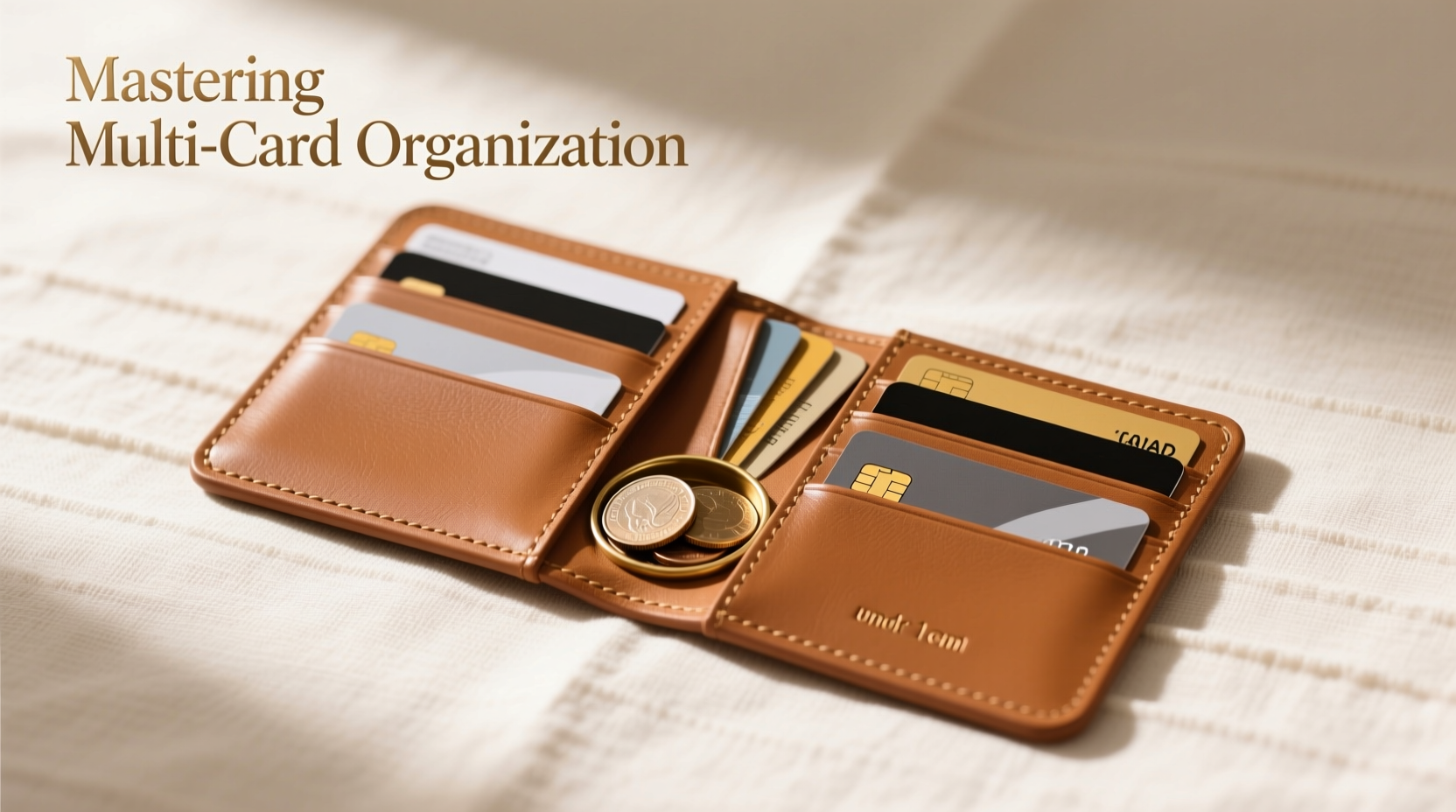
Unlike traditional bifold wallets, multi card coin purse wallets blend slim profiles with multifunctional compartments. Typically constructed from leather, nylon, or recycled materials, they feature dedicated slots for 4–10 cards, a zipped coin section, and often a hidden cash sleeve. Their compact size encourages users to carry only what’s essential, reducing bulk while increasing accessibility.
The design philosophy behind these wallets is rooted in efficiency: reduce friction during transactions, minimize pocket strain, and eliminate the need to dig through layers of receipts and expired cards. But to achieve this ideal state, users must move beyond passive ownership and actively curate their contents.
Optimizing Internal Organization
Effective organization starts with categorization. Treat your wallet like a micro-filing system: each item should have a designated place based on frequency of use and importance. Begin by sorting your cards into three tiers:
- Essential (Daily): Debit/credit cards, ID, transit pass
- Situational (Weekly/Monthly): Loyalty cards, gym membership, insurance
- Rare Use (Emergency Only): Backup cards, expired IDs for verification
Limit your daily carry to no more than six cards. Exceeding this number defeats the purpose of a minimalist wallet and slows retrieval time. Store situational and rare-use items in a secure home organizer or digital vault instead.
| Compartment | Recommended Contents | Common Mistakes |
|---|---|---|
| Front Card Slot | Main debit card or access pass | Storing rarely used rewards cards |
| Middle Card Sleeves | Credit card, driver’s license | Overlapping cards causing friction |
| Zippered Coin Pocket | Coins, SIM eject tool, backup earbuds | Letting lint accumulate over time |
| Cash Sleeve | Folded bills (1–3 denominations) | Stuffing receipts or tickets |
“People underestimate how much cognitive load a disorganized wallet creates. Streamlining it reduces decision fatigue throughout the day.” — Dr. Lena Torres, Behavioral Productivity Researcher
Step-by-Step Guide to Wallet Optimization
Follow this five-step process every 30 days to maintain peak wallet performance:
- Empty Completely: Remove all contents and place them on a clean surface.
- Sort & Evaluate: Categorize each item. Ask: “Have I used this in the last month?” If not, consider removing it.
- Clean Compartments: Wipe down interior sleeves with a dry microfiber cloth. For leather, use a conditioner every 3 months.
- Reorganize Strategically: Place high-access cards in front-facing slots. Align edges evenly to prevent jamming.
- Test Accessibility: Simulate real-world scenarios—pull out a card quickly, unzip the coin pouch, retrieve cash. Adjust positioning if needed.
Real-Life Example: A Commuter’s Transformation
James, a software developer in Chicago, used to carry a bulky bi-fold wallet with 12 cards, loose change, and crumpled receipts. He frequently missed his train because he’d fumble at fare gates trying to find his transit card buried under loyalty coupons.
After switching to a slim multi card coin purse wallet, he applied the optimization steps above. He reduced his daily carry to four cards: transit pass (front slot), driver’s license, primary debit, and a secondary credit card. Coins were kept in the zippered section for parking meters, and folded cash was reserved for coffee shops that didn’t accept cards.
Within two weeks, James reported a noticeable reduction in morning stress. His transaction time dropped from 8–10 seconds to under 3. More importantly, he stopped losing small items because everything had a fixed location.
Essential Do’s and Don’ts
To maintain long-term efficiency, adhere to these best practices:
| Do’s | Don’ts |
|---|---|
| Carry only essential cards | Store expired gift cards “just in case” |
| Use the coin compartment for small essentials (e.g., USB drive) | Overstuff the cash sleeve with receipts |
| Wipe down metal closures monthly | Expose the wallet to direct sunlight or moisture |
| Digitize infrequently used cards via mobile wallets | Allow coins to rattle loosely—wrap in cloth if noisy |
Maximizing Digital Integration
The future of wallet organization isn’t just physical—it’s hybrid. Modern smartphones support NFC payments, digital IDs, and virtual loyalty programs. To reduce physical load, integrate your devices with your wallet strategy:
- Add your primary credit and transit cards to Apple Pay, Google Wallet, or Samsung Pay.
- Photograph the back of each card (for CVV and customer service numbers) and store securely in an encrypted note.
- Use QR code apps for memberships instead of carrying plastic cards.
Even with digital backups, keep one physical card as a fallback. Technology fails; infrastructure varies. Balance convenience with resilience.
FAQ
How many cards should I realistically carry?
For optimal function, limit yourself to 4–6 cards. This includes one ID, two payment cards, and one to two situational cards (like gym or transit). Anything beyond that increases friction and wear on the wallet material.
Can I wash my fabric wallet?
Most fabric wallets aren’t machine-washable. Instead, spot-clean with a damp cloth and mild soap. Allow to air-dry completely before reuse. Avoid submerging zipper components.
What’s the best way to prevent card demagnetization?
Keep cards away from magnetic sources like phone cases with magnets, speakers, or fridge doors. Store them flat and avoid bending. Consider RFID-blocking sleeves if concerned about digital theft.
Checklist: Monthly Wallet Maintenance Routine
- ☐ Empty all contents
- ☐ Discard expired cards and unnecessary slips
- ☐ Wipe down interior compartments
- ☐ Reassess card necessity and reorder slots
- ☐ Check zipper function and stitching integrity
- ☐ Verify digital wallet sync (Apple/Google Pay)
- ☐ Clean exterior with appropriate conditioner (leather) or cloth (synthetic)
Conclusion
A well-organized multi card coin purse wallet does more than hold your essentials—it enhances your daily rhythm. By applying structured organization, regular maintenance, and smart integration with digital tools, you transform a simple accessory into a precision instrument for modern living. The benefits extend beyond convenience: less stress, faster transactions, and greater confidence in your preparedness.




 浙公网安备
33010002000092号
浙公网安备
33010002000092号 浙B2-20120091-4
Comments
No comments yet. Why don't you start the discussion?