
Nordic Ins style—often referred to as Scandinavian industrial or minimalist Nordic design—is more than an aesthetic trend. It’s a philosophy of space, light, and function that blends the warmth of Nordic traditions with the clean lines of modern minimalism. Rooted in Danish, Swedish, and Finnish design principles, this style emphasizes clarity, calm, and comfort without excess. Homes styled in Nordic Ins feel open, serene, and deeply livable. Achieving it doesn’t require a renovation or designer budget—it starts with intentionality.
The essence lies in stripping away clutter while preserving character. Think soft wool throws on sleek concrete floors, reclaimed wood tables beneath geometric pendant lights, and walls painted in warm whites rather than sterile grays. This is not cold minimalism; it’s thoughtful simplicity. When done well, Nordic Ins style transforms any space into a sanctuary that supports both focus and relaxation.
Core Principles of Nordic Ins Design
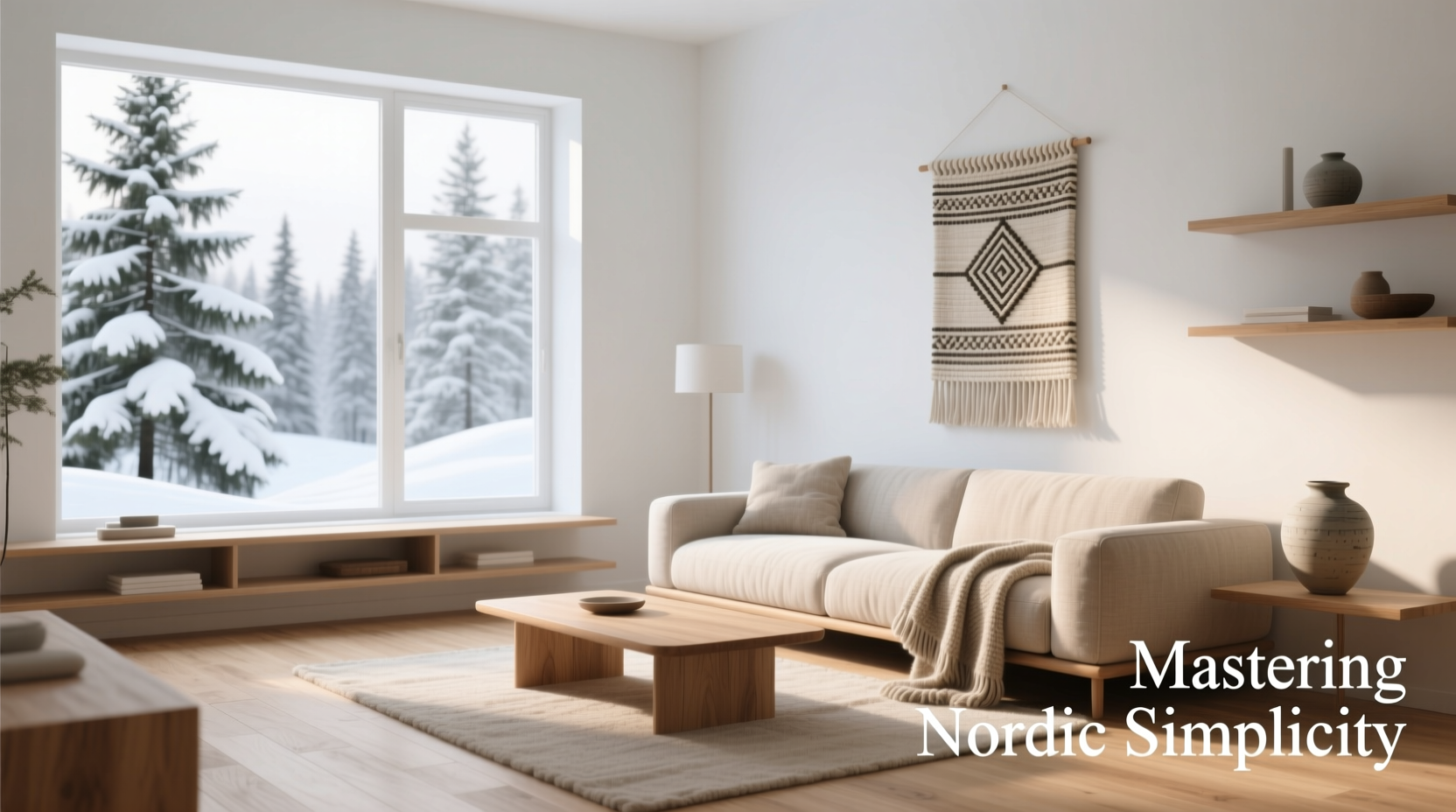
Before applying specific decor choices, understanding the foundational ideas behind Nordic Ins style ensures authenticity. These aren’t arbitrary rules—they reflect cultural values shaped by long winters, limited daylight, and a deep respect for craftsmanship.
- Light Optimization: Natural light is sacred. Windows are kept unobstructed, mirrors are strategically placed, and reflective surfaces amplify brightness.
- Neutral Base Palette: Walls, floors, and large furniture lean toward white, beige, gray, or soft pastels. These tones create airiness and serve as a backdrop for subtle texture and accent colors.
- Functional Furniture: Every piece must earn its place. Storage solutions are built-in or discreet; seating is comfortable but streamlined.
- Material Honesty: Surfaces reveal their true nature—exposed brick, unfinished wood, matte ceramics, brushed metal. No fake finishes or plastic laminates.
- Human Touch: Unlike stark minimalism, Nordic Ins embraces textiles, plants, candles, and handmade objects to soften spaces and invite warmth.
“Scandinavian design isn’t about what you remove—it’s about what you choose to keep.” — Ingrid Sorensen, Interior Historian at Oslo School of Architecture
Practical Tips to Bring Nordic Ins Style Into Your Home
Transforming your space doesn’t mean starting from scratch. Begin with small, strategic changes that align with the spirit of the style.
Declutter with Purpose
Nordic homes appear spacious because they contain only meaningful items. Walk through each room and ask: Does this serve a function? Does it bring joy or beauty? If not, consider storing, donating, or discarding it. Avoid filling shelves just for appearance—empty space is part of the design.
Choose Furniture with Clean Lines
Select pieces that are low-profile, geometric, and made from natural materials. A wooden dining table with tapered legs, a modular sofa in neutral fabric, or a wall-mounted desk all fit the aesthetic. Prioritize quality over quantity—one well-made chair lasts longer and looks better than three cheap ones.
Incorporate Textural Contrast
Since color is subdued, texture becomes essential. Layer a jute rug over polished concrete, drape a sheepskin over a metal stool, or use woven baskets for storage. These elements add depth without visual noise.
Use Lighting as Decor
Light fixtures are functional art in Nordic design. Choose sculptural pendants in black metal, brass, or paper shades. Floor and table lamps should have simple silhouettes. Use warm-toned bulbs (2700K–3000K) to maintain coziness during dark months.
Do’s and Don’ts: A Quick Reference Table
| Do | Avoid |
|---|---|
| Paint walls in warm white or soft gray with undertones of beige or green | Cool, blue-based whites that feel clinical |
| Use wood accents (oak, ash, pine) in flooring or furniture | Dark-stained woods or glossy varnishes that feel formal |
| Add greenery with low-maintenance plants like snake plants or pothos | Plastic plants or overcrowded plant displays |
| Display a few curated decorative objects (ceramic vase, framed sketch) | Cluttered shelves with knickknacks or mismatched frames |
| Invest in quality textiles: linen bedding, cotton towels, wool blankets | Synthetic fabrics that pill or look shiny |
Step-by-Step Guide to Transforming a Room
Follow this six-step process to convert any room—living area, bedroom, or home office—into a Nordic Ins-inspired space.
- Clear and Clean: Remove everything non-essential. Deep-clean floors, windows, and surfaces to reset the space.
- Assess Lighting: Identify natural light sources. Add mirrors opposite windows and install layered artificial lighting.
- Neutralize Walls and Floors: Repaint if needed using matte or eggshell finishes in warm neutrals. Consider refinishing or replacing flooring with light wood or polished concrete.
- Select Key Furniture: Introduce one or two central pieces—a sofa, bed, or desk—that embody simplicity and function. Ensure proportions match the room size.
- Add Texture and Warmth: Layer with rugs, cushions, throws, and natural fiber baskets. Include tactile variety to prevent sterility.
- Edit and Refine: Step back weekly for a month. Notice what feels off. Remove anything that disrupts flow or adds visual weight.
Real-Life Example: Transforming a Small Urban Apartment
Anna, a graphic designer in Malmö, lived in a 55m² apartment that felt cramped and dim. After studying Nordic Ins principles, she began with the living room. She removed bulky drapes, repainted the walls in “Lime White” (a warm off-white), and replaced her dark coffee table with a low oak platform. She added a floor lamp with a conical shade and introduced a single shelf for books and a ceramic planter.
Next, she decluttered her bedroom, storing seasonal clothes out of sight and switching to all-linen bedding in oatmeal tones. Over three months, friends remarked how “larger” and “calmer” the apartment felt—even though no structural changes were made. Anna noted improved sleep and reduced stress, attributing it to the intentional environment.
“The fewer decisions my eyes have to make when entering a room, the more relaxed I feel.” — Anna Lindberg
Checklist: Building Your Nordic Ins Space
Use this checklist to stay focused and measure progress:
- ☐ Declutter all visible surfaces and storage areas
- ☐ Paint walls in warm, light-neutral tones
- ☐ Maximize natural light with sheer window treatments
- ☐ Install layered lighting (overhead, task, accent)
- ☐ Choose furniture with clean lines and natural materials
- ☐ Add textural interest via rugs, throws, and wood grain
- ☐ Incorporate a few indoor plants for life and color
- ☐ Display only meaningful decor—limit to 3–5 items per room
- ☐ Use concealed or built-in storage to reduce visual clutter
- ☐ Audit monthly to maintain simplicity and function
Frequently Asked Questions
Can Nordic Ins style work in a colorful home?
Yes, but color is used sparingly. Instead of painting entire walls red or blue, introduce hue through small accents—a mustard pillow, a terracotta vase, or an abstract print in muted tones. The base remains neutral to preserve calm.
Is this style suitable for families with children?
Absolutely. Nordic Ins prioritizes durable, easy-to-clean materials and smart storage. Use washable linens, rounded-edge furniture, and labeled bins for toys. The emphasis on order actually helps families maintain routine and reduce chaos.
How do I avoid making my home feel too cold or impersonal?
Balance minimalism with humanity. Include personal items like a family photo in a simple frame, handmade pottery, or a favorite book left on a side table. Candles, soft textiles, and daily rituals (like brewing tea in a ceramic mug) bring warmth beyond decor.
Final Thoughts: Embrace Simplicity as a Lifestyle
Mastering Nordic Ins style goes beyond aesthetics—it’s about cultivating a home that reflects clarity, care, and calm. It invites you to slow down, appreciate craftsmanship, and live with less distraction. This isn’t a temporary makeover; it’s a shift in how you relate to your space.




 浙公网安备
33010002000092号
浙公网安备
33010002000092号 浙B2-20120091-4
Comments
No comments yet. Why don't you start the discussion?