
The Nordic approach to design is rooted in simplicity, functionality, and a deep respect for natural materials. When applied to the dining table, this aesthetic transforms meals into quiet rituals of warmth and intentionality. More than just a visual preference, Nordic-style table settings reflect a philosophy: less clutter, more meaning. Whether you're hosting a dinner party or enjoying a quiet breakfast, mastering this style enhances both ambiance and experience.
The Essence of Nordic Table Design
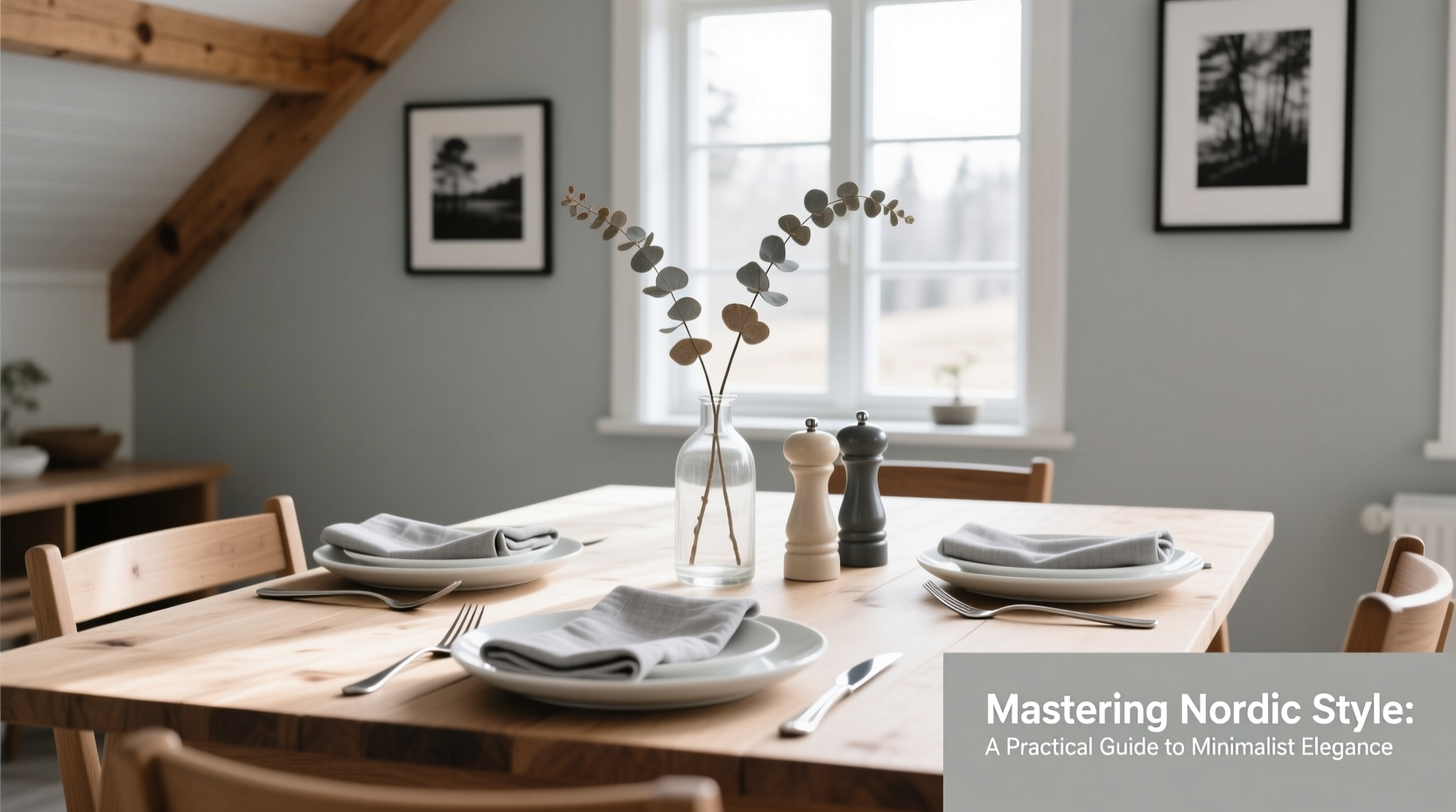
Nordic, or Scandinavian, design emerged from the cold climates and long winters of Denmark, Sweden, Norway, Finland, and Iceland. In response to limited daylight and compact living spaces, these cultures developed an interior language centered on light, clean lines, and organic textures. The dining table became a sanctuary—a place where family gathers, stories unfold, and comfort is found without excess.
At its core, a Nordic table setting prioritizes:
- Minimalism: Only essential items are present; every object has purpose.
- Neutral palettes: Whites, grays, soft beiges, and muted earth tones dominate.
- Natural materials: Wood, linen, stoneware, and ceramic bring tactile warmth.
- Functional beauty: Even decorative elements serve a role—candleholders provide light, napkin rings keep cloth tidy.
“Scandinavian tablescapes aren’t about perfection—they’re about presence. It’s not what you see, but how you feel when you sit down.” — Lina Bergström, Interior Stylist & Author of *Nordic Living*
Step-by-Step Guide to Building a Nordic Table Setting
Creating an authentic Nordic tablescape doesn’t require expensive pieces or elaborate decor. It begins with thoughtful layering and attention to detail. Follow this sequence to build a cohesive, elegant setup.
- Choose the right base: Start with a wooden dining table in light oak, ash, or pine. These woods reflect natural light and maintain warmth. Avoid dark stains or glossy finishes that feel heavy.
- Lay a neutral foundation: Use a simple tablecloth in unbleached cotton or undyed linen. Alternatively, leave the wood bare if it's well-maintained—its grain becomes part of the design.
- Select minimalist dinnerware: Opt for white or off-white stoneware with subtle texture. Plates should have soft edges, not sharp modernist lines. Stack dinner and salad plates if needed, but avoid overcrowding.
- Add linen napkins: Fold simply—either in thirds or as a rectangle—and secure with a leather band, wooden ring, or sprig of dried herbs like rosemary or lavender.
- Arrange cutlery thoughtfully: Place only what will be used. Forks go to the left, knives and spoons to the right. Keep handles aligned with the edge of the table for uniformity.
- Incorporate low lighting: Center the table with one or three small unscented candles in clear glass holders or matte ceramic. Avoid bright LEDs; candlelight is central to Nordic hygge (coziness).
- Introduce subtle greenery: A short vase with eucalyptus, birch twigs, or a single stem of blooming heather adds life without distraction.
Do’s and Don’ts: Table Settings Compared
| Do | Don’t |
|---|---|
| Use handmade ceramics with slight imperfections | Opt for perfectly uniform, mass-produced porcelain |
| Mix wood tones subtly (e.g., oak chairs with birch centerpiece) | Clutter the table with multiple competing wood types |
| Include one textural accent—like a woven placemat | Layer too many textiles (tablecloth + runner + placemats) |
| Keep centerpieces low so guests can see each other | Use tall vases or floral arrangements that block conversation |
| Wash and iron linen napkins for a lived-in crispness | Use synthetic napkins that lack breathability and texture |
A Real Example: Maria’s Midwinter Dinner
Maria, a designer from Malmö, hosts a monthly winter supper club focused on seasonal Nordic cuisine. For her December gathering, she transformed her ash dining table into a serene backdrop for roasted root vegetables and lingonberry-glazed salmon.
She began by polishing the wood with beeswax to enhance its glow under lamplight. She laid undyed linen runners down the center, then placed hand-thrown matte white plates atop natural fiber placemats. Napkins were folded simply and tied with thin jute string. In the center, three small soy candles burned inside recycled glass jars, flanked by sprigs of preserved moss and birch bark.
Guests commented on the peaceful atmosphere. “It felt warm without being fussy,” one said. “I could focus on the food and the conversation, not the decor.” This is the power of Nordic minimalism—it removes noise so human connection can flourish.
Essential Checklist for Your Nordic Table Setup
Before your next meal, run through this checklist to ensure authenticity and cohesion:
- ☑ Table surface is clean and lightly treated (if wood)
- ☑ Neutral base layer (linen, cotton, or bare wood)
- ☑ White or earth-toned dinnerware with organic texture
- ☑ Linen napkins, neatly folded
- ☑ Cutlery arranged functionally, not decoratively
- ☑ One low centerpiece (candles, greenery, or stone bowl)
- ☑ Lighting is soft and warm (ideally candlelight)
- ☑ No more than three textures present at once
- ☑ Extra chairs tucked in, sideboards uncluttered
Frequently Asked Questions
Can I incorporate color in a Nordic table setting?
Yes, but sparingly. Accent colors should come from nature: a deep forest green napkin, slate-blue mug, or terracotta dish. These appear as quiet surprises, not focal points. Avoid neon or saturated hues that clash with the calming tone.
Is it acceptable to use modern flatware in a Nordic setup?
Only if the design is simple and understated. Look for brushed steel with rounded edges. Avoid high-gloss chrome or geometric shapes. Traditional Nordic cutlery often features wooden or bone handles—these are ideal if available.
How do I adapt this style for casual family dinners?
The Nordic style thrives in everyday use. Swap formal placemats for durable cork ones, use stackable stoneware, and let children fold their own napkins. The key is consistency in palette and material—not formality.
Final Thoughts: Elegance Through Restraint
Mastering Nordic-style dining table settings isn't about achieving flawlessness—it's about cultivating mindfulness. Each element you choose should invite calm, encourage presence, and support the act of sharing food. In a world of constant stimulation, this minimalist elegance offers something rare: space to breathe, connect, and appreciate the quiet beauty of a well-set table.




 浙公网安备
33010002000092号
浙公网安备
33010002000092号 浙B2-20120091-4
Comments
No comments yet. Why don't you start the discussion?