
Numbered locks are everywhere—on gym lockers, luggage, safes, storage units, and even high-security vaults. While they offer convenience and security, many people struggle when it comes to opening them efficiently. Whether you've forgotten the combination or simply want to improve your speed and accuracy, mastering these mechanisms is both a practical skill and a confidence booster. This guide breaks down the science, mechanics, and real-world strategies behind numbered locks, empowering you to open them with precision and ease.
Understanding How Numbered Locks Work
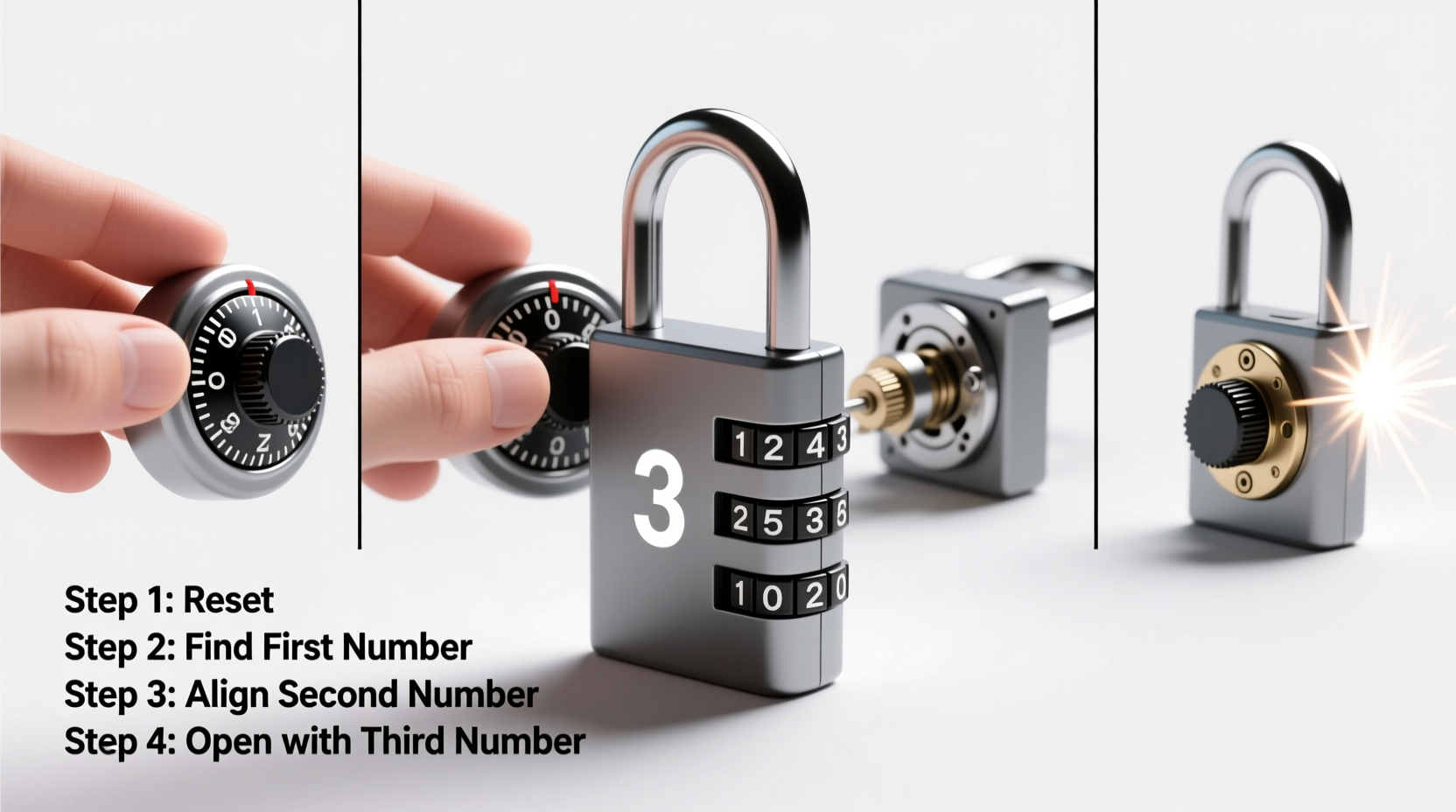
Before attempting to open any lock, it's essential to understand its internal mechanism. Most numbered combination locks use a series of rotating discs or cams, each with a notch cut into it. When the correct sequence is dialed, the notches align, allowing a latch or lever to drop into place and release the shackle.
The standard design uses three wheels (for 3-digit combinations), though some models go up to six digits for enhanced security. Each number on the dial corresponds to a position that moves one of the internal wheels. The order in which you turn the dial—typically right-left-right—affects how the wheels engage due to the way they're stacked on a central shaft.
Because there’s no key involved, success depends entirely on precision, consistency, and knowledge of the system. Even slight deviations in turning speed or stopping point can prevent the lock from opening.
Step-by-Step Guide to Opening a Standard 3-Digit Combination Lock
- Start by clearing the lock: Turn the dial clockwise (right) at least three full rotations to reset any previous attempts.
- Enter the first number: Rotate the dial clockwise slowly until the first digit of your combination aligns with the indicator line. Be precise—stop exactly on the number.
- Turn counter-clockwise for the second number: Begin turning left, passing the first number once, then stop precisely when the second digit lines up with the mark.
- Rotate clockwise again for the third number: Without hesitation, continue turning right until the final number reaches the indicator.
- Pull the shackle upward: Apply steady pressure. If all wheels are aligned correctly, the lock should open smoothly.
If the lock doesn’t open, double-check your combination and repeat the process with slower, more deliberate movements. Rushing increases error rates significantly.
Common Mistakes That Prevent Locks from Opening
- Dialing too quickly, causing misalignment
- Not completing full revolutions during reset
- Forgetting the direction sequence (e.g., going left instead of right)
- Using worn-out gloves that reduce tactile feedback
- Applying tension on the shackle too early or too hard
Even experienced users occasionally fall victim to these errors. The key is developing muscle memory through repetition and paying close attention to mechanical feedback.
Advanced Techniques for Forgotten Combinations
While guessing a random 3-digit combination has over a million possible permutations, systematic methods can drastically reduce trial time—especially on lower-cost locks with manufacturing tolerances.
Feeling for Resistance Points
Many budget combination locks have slight play between numbers. By applying light upward pressure on the shackle and slowly turning the dial, you may feel small clicks or resistance points. These often indicate where a wheel has engaged. Note the numbers where resistance occurs; they’re likely part of the actual combination.
This method works best on older or frequently used locks, as wear creates detectable inconsistencies.
Narrowing Down Possibilities
Some locks exclude certain digits (like multiples of five) or avoid repeating numbers. Use logic to eliminate unlikely sequences. For example, if you remember the first digit starts with \"2\", focus only on 20–29 range entries.
| Method | Best For | Average Time to Success |
|---|---|---|
| Direct Recall | Known but temporarily forgotten codes | 1–5 minutes |
| Resistance Detection | Cheaper padlocks, school/gym models | 10–30 minutes |
| Pattern-Based Guessing | Personalized combos (birthdays, patterns) | 5–20 minutes |
| Brute Force (Full Search) | No information available | Several hours+ |
“Most people don’t realize that human behavior shapes combination choices. We tend toward round numbers, dates, or repeating digits—which makes locks far less random than they appear.” — Dr. Alan Reyes, Security Systems Researcher, MIT
Mini Case Study: Recovering a Lost Locker Combination
Jamie, a college student, arrived late to her gym session only to find she couldn't recall her locker combination. She knew it was a 3-digit code ending in “15” and suspected the middle number was either 20 or 25. Instead of panicking, she applied gentle tension on the shackle and tested both variations carefully. After two failed tries, she remembered turning the dial extra times after setting the last number—an old habit meant to confuse observers. Once she repeated that quirk, the lock opened.
This case illustrates how memory cues combined with physical technique can recover access without damaging the lock or requiring professional help.
Checklist: Mastering Your Numbered Lock Routine
- ✅ Memorize the correct dialing sequence: Right-Left-Right (for most models)
- ✅ Clear the lock with 3+ full clockwise turns before starting
- ✅ Align each number exactly with the indicator line
- ✅ Maintain consistent turning speed and avoid jerky motions
- ✅ Apply minimal upward pressure on the shackle during final approach
- ✅ Practice weekly to build dexterity and recall
- ✅ Store backup combinations securely—not on your phone or near the lock
Frequently Asked Questions
Can I open a numbered lock without knowing the combination?
It’s possible on low-end models using resistance detection or pattern analysis, but it requires patience and practice. High-security locks with tighter tolerances make this nearly impossible without specialized tools or factory resets.
Why does my lock sometimes open on the second try even with the same code?
Inconsistent dialing speed or incomplete rotations can cause internal wheels to shift slightly out of alignment. Environmental factors like dirt, moisture, or temperature changes may also affect performance.
Is it safe to lubricate a numbered combination lock?
Yes—but only sparingly. Use a dry graphite-based lubricant to maintain smooth operation. Avoid oil-based sprays, which attract dust and gunk up internal components over time.
Conclusion: Build Confidence Through Practice
Mastering numbered locks isn’t about magic tricks or shortcuts—it’s about understanding mechanics, refining technique, and building reliable habits. With consistent practice, what once felt frustrating becomes second nature. Whether you're managing daily lockers or securing valuables, the ability to open a numbered lock smoothly enhances both efficiency and peace of mind.




 浙公网安备
33010002000092号
浙公网安备
33010002000092号 浙B2-20120091-4
Comments
No comments yet. Why don't you start the discussion?