
Walking a dog off leash is one of the most rewarding experiences for both pet and owner. It offers freedom, strengthens the bond, and provides mental stimulation. But without proper training and tools, it can quickly become dangerous. The key to safe off-leash walking lies not just in obedience, but in consistent training supported by the right equipment—particularly an effective off-leash collar. This guide breaks down how to achieve reliable off-leash control through structured techniques, real-world strategies, and smart gear choices.
Understanding Off-Leash Control: More Than Just Freedom
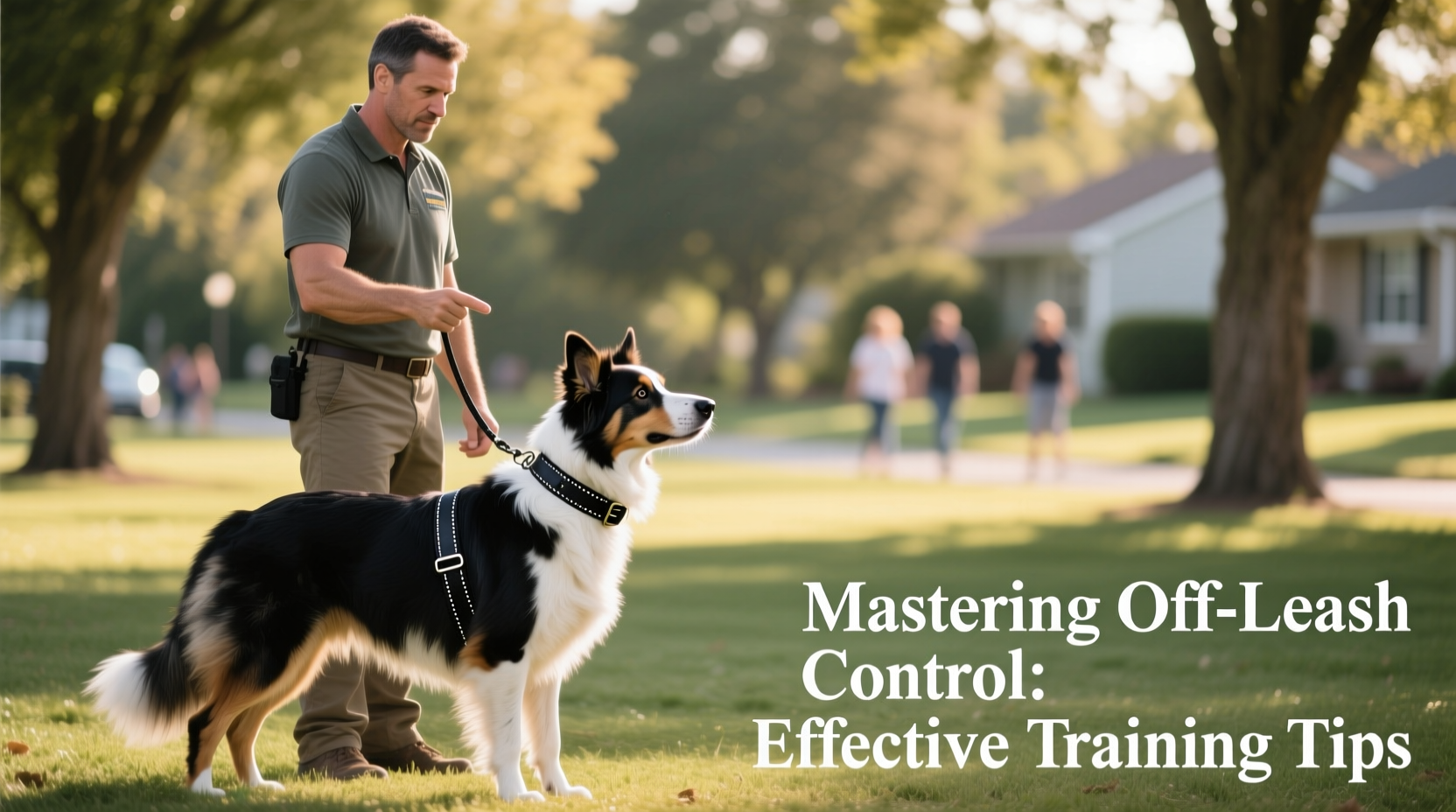
Off-leash control isn’t about letting your dog roam freely—it’s about maintaining influence and recall even at a distance. True control means your dog chooses to stay close, responds to cues, and returns when called, regardless of distractions. Achieving this requires patience, consistency, and a layered approach that combines behavioral training with appropriate tools like specialized collars.
Many owners assume that once a dog knows basic commands, they’re ready for off-leash adventures. In reality, environmental distractions—squirrels, other dogs, scents—can override trained behavior if the foundation isn’t solid. That’s where targeted training and supportive gear come into play.
The Role of the Off-Leash Collar: Function Over Fashion
An off-leash collar isn’t just a fashion statement; it’s a functional tool designed to support communication and safety during off-leash activities. Unlike standard collars, off-leash models are often built with enhanced visibility, durability, and compatibility with tracking devices or training aids.
Common types include:
- Reflective or LED collars – Improve visibility during early morning or evening walks.
- GPS-enabled collars – Allow real-time location tracking if your dog wanders.
- Quick-release or breakaway designs – Prioritize safety if the collar snags on branches or fences.
- Whistle-compatible collars – Work in tandem with auditory recall signals.
The best off-leash collar complements training—it doesn’t replace it. It should be lightweight, comfortable, and secure enough to hold identification tags while allowing full range of motion.
Choosing the Right Collar: A Quick Comparison
| Type | Best For | Limitations |
|---|---|---|
| Reflective Nylon | Daily use, low-light conditions | Limited tech integration |
| GPS Smart Collar | High-risk areas, exploratory dogs | Battery dependency, higher cost |
| Foam-Padded Training Collar | Long sessions, comfort-focused work | Not ideal for rough terrain |
| Breakaway with ID Clip | Safety in wooded or urban areas | May not suit strong pullers |
“An off-leash collar is only as good as the training behind it. Technology supports—but never substitutes—for a solid recall.” — Dr. Lena Torres, Certified Canine Behaviorist
Step-by-Step Guide to Building Reliable Off-Leash Recall
True off-leash control develops over time. Rushing the process leads to setbacks and risks. Follow this progressive timeline to build confidence and consistency.
- Master Basic Commands On-Leash (Weeks 1–2)
Ensure your dog responds reliably to “come,” “stay,” and “leave it” in quiet environments with minimal distractions. - Introduce a Long Leash (Weeks 3–4)
Use a 15–30 foot training lead in a fenced area. Practice recall with increasing distance and mild distractions (e.g., birds, toys). Reward every successful return. - Add Environmental Challenges (Weeks 5–6)
Move to busier parks or trails. Practice calling your dog back after spotting squirrels or other dogs. Use high-value treats (like chicken or cheese) to reinforce motivation. - Test in Semi-Open Spaces (Week 7)
Choose a securely enclosed field. Remove the long line and call your dog from 20 feet away. If they respond consistently, gradually increase distance. - Transition to Open Areas (Week 8+)
Only attempt true off-leash walks in legal, safe zones. Continue using verbal cues and intermittent rewards—even well-trained dogs benefit from positive reinforcement.
Real-World Example: From Reactive to Reliable
Max, a three-year-old Border Collie, had excellent manners on-leash but would bolt at the sight of wildlife. His owner, Sarah, began a six-week program focused on impulse control and recall. She started in her backyard with a 20-foot line, calling Max back each time he lunged toward a bird. She paired the “come” command with a whistle and rewarded him with freeze-dried liver.
By week five, Max responded consistently in a local dog park. Sarah introduced a GPS collar for added peace of mind. After eight weeks, she took him on a trail hike off-leash. When a rabbit darted across the path, Max paused, looked back, and returned immediately to her side. The combination of structured training and a reliable collar gave them both confidence.
Essential Checklist for Safe Off-Leash Training
Before attempting off-leash walks, ensure you’ve completed these steps:
- ✅ Dog responds to recall 9 out of 10 times on a long leash in moderate distraction settings
- ✅ Using a secure, properly fitted off-leash collar with ID tags
- ✅ Carrying high-value treats or a reward toy during training phases
- ✅ Choosing safe, legal locations for off-leash activity
- ✅ Practicing emergency stop commands (e.g., “stop” or “wait”)
- ✅ Ensuring vaccinations and parasite prevention are up to date
- ✅ Monitoring weather and terrain for hazards (e.g., heat, thorns, traffic)
Frequently Asked Questions
Can any dog be trained off-leash?
Most dogs can learn off-leash control with consistent training, but success depends on breed, temperament, and individual drive. High-prey breeds like Terriers or Huskies may require longer training periods. Dogs with anxiety or reactivity should be evaluated by a professional before attempting off-leash walks.
Is a harness better than a collar for off-leash training?
It depends on the dog and environment. Harnesses reduce neck strain and offer better control for pullers, but some off-leash collars integrate tech features (like GPS) more seamlessly. If using a harness, ensure it has a sturdy front attachment point and doesn’t encourage pulling.
What if my dog ignores the recall command?
If your dog doesn’t respond, avoid repeating the command multiple times—this weakens its meaning. Instead, reset by gently guiding them back with a long line. Reassess distractions and lower the challenge level. Never punish a delayed recall; focus on reinforcing faster responses next time.
Final Thoughts: Responsibility Meets Reward
Mastering off-leash control is a journey that deepens the connection between you and your dog. It demands time, consistency, and respect for safety. The right off-leash collar enhances this process by providing visibility, security, and peace of mind—but it’s your training that makes the difference.
Every successful recall builds trust. Every return reinforces cooperation. With the right approach, your dog won’t just come back because they have to—they’ll come back because they want to.




 浙公网安备
33010002000092号
浙公网安备
33010002000092号 浙B2-20120091-4
Comments
No comments yet. Why don't you start the discussion?