
Walking your dog on a leash is more than just a routine chore—it’s an opportunity to strengthen your bond, provide mental stimulation, and ensure your pet's physical well-being. Yet, many dog owners struggle with pulling, distractions, or inconsistent behavior during walks. The key to a successful experience lies not in force or frustration, but in understanding canine behavior, using the right tools, and applying consistent, positive techniques. With the right approach, every walk can become a calm, controlled, and enjoyable activity for both you and your dog.
Understanding Why Dogs Pull on the Leash
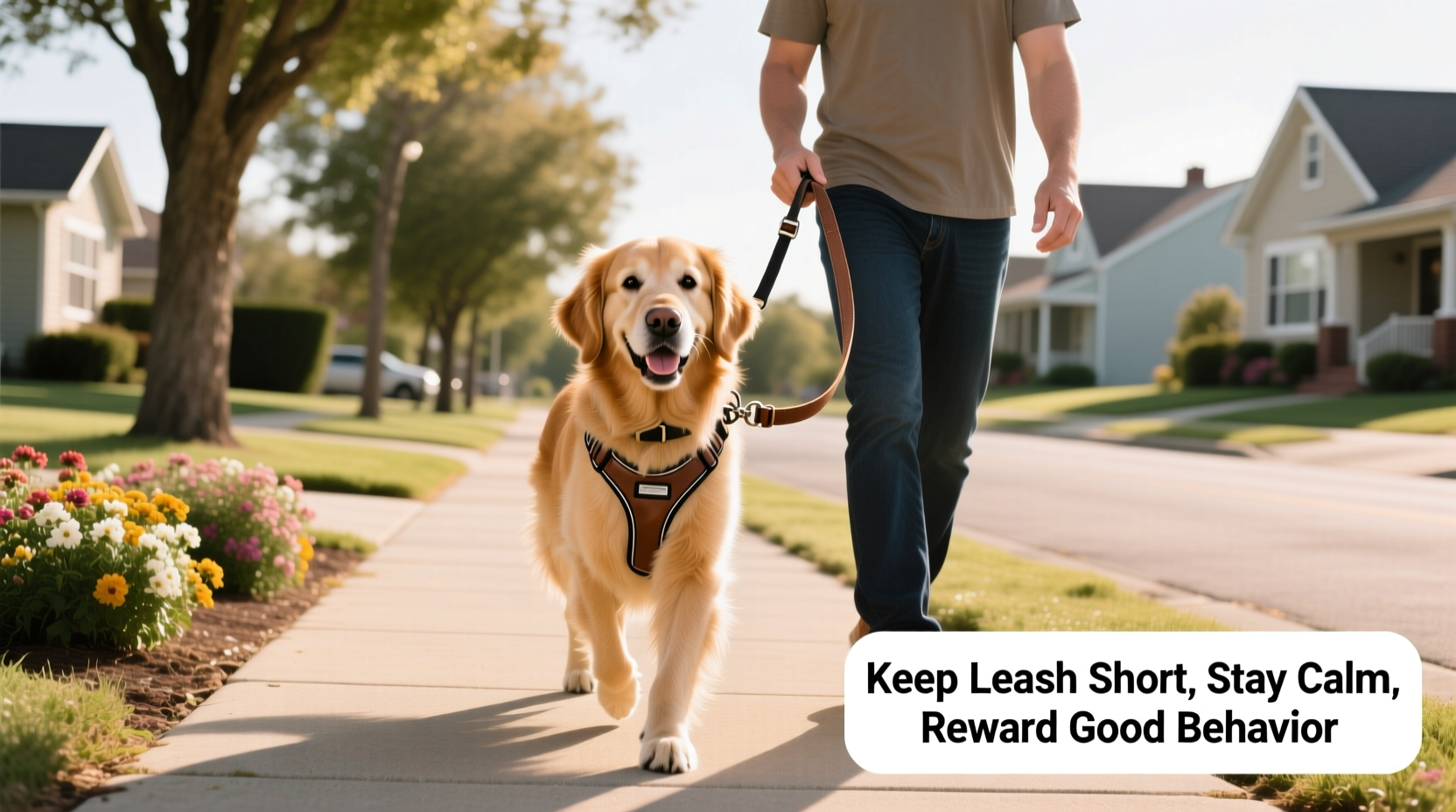
Dogs are naturally curious creatures driven by scent, movement, and exploration. When on a walk, their instinct is to move toward what captures their attention—whether it’s another dog, a squirrel, or a particularly interesting lamppost. Without proper training, this natural curiosity translates into pulling, lunging, or zigzagging across the sidewalk.
Pulling isn’t defiance; it’s often learned behavior. If a dog moves forward while pulling and reaches the object of interest, they’re being rewarded by the outcome. Over time, this reinforces the idea that pulling works. Breaking this cycle requires retraining both the dog and the handler to adopt new patterns of movement and response.
Choosing the Right Equipment for Control and Comfort
The leash and collar (or harness) you use play a critical role in how effectively you can manage your dog. Not all gear is created equal, and the wrong choice can worsen pulling or lead to discomfort—or even injury.
| Gear Type | Best For | Pros | Cons |
|---|---|---|---|
| Front-Clip Harness | Pullers, strong breeds | Redirects dog when pulling, reduces strain | May require adjustment period |
| Standard Back-Clip Harness | Calm walkers | Comfortable, easy to use | Can encourage pulling in strong dogs |
| Head Halter (e.g., Gentle Leader) | Dogs easily distracted or reactive | Offers gentle head control | Requires proper fitting and introduction |
| Standard Collar + Leash | Well-trained, non-pullers | Simple, widely available | Risk of trachea pressure if dog pulls |
| Retractable Leash | Cautious use in open areas | Allows freedom of movement | Hard to control, risk of burns or tangles |
A front-clip harness is often the best starting point for dogs who pull. It gently turns the dog back toward you when tension is applied, making it harder for them to forge ahead. Always ensure the harness fits snugly but allows two fingers beneath any strap.
Step-by-Step Guide to Teaching Loose-Leash Walking
Teaching your dog to walk beside you without pulling is a skill built over time. Consistency, patience, and positive reinforcement are essential. Follow this structured approach to build reliable leash manners:
- Start in a low-distraction environment—such as your backyard or a quiet driveway. This minimizes competing stimuli and helps your dog focus on you.
- Use high-value treats to lure your dog into position at your side. Reward frequently at first for simply staying near you.
- Introduce the cue—say “let’s go” or “heel” as you begin walking. Pair the word with movement and immediate rewards when your dog stays close.
- Stop when pulling occurs. The moment the leash tightens, come to a complete stop. Wait patiently until the leash slackens, then praise and continue.
- Change direction frequently. Turn 180 degrees and walk the other way when your dog surges ahead. This teaches them to pay attention to your movements.
- Increase difficulty gradually. Once your dog masters walking in quiet areas, move to sidewalks, parks, and busier zones with more distractions.
- Phase out treats slowly. Begin rewarding intermittently—after several steps of good behavior—to build reliability without constant bribery.
This process may take days or weeks depending on your dog’s temperament and prior habits. Short, frequent sessions (5–10 minutes) are more effective than long, infrequent ones.
Real Example: Transforming a Reactive Walker
Sophie, a 2-year-old Australian Shepherd, used to lunge at passing cyclists and bark at other dogs during walks. Her owner, Mark, was exhausted and embarrassed. He started by switching to a front-clip harness and began training in his garage with treats. Over two weeks, he practiced loose-leash walking in the driveway, rewarding Sophie for eye contact and calm pacing. He introduced distractions slowly—a friend biking at a distance, then closer. Within six weeks, Sophie could walk past a cyclist without reacting. Now, their daily walks are peaceful, and Mark feels confident in public spaces.
“Loose-leash walking isn’t about dominance—it’s about communication. When dogs understand what we expect and are rewarded for cooperation, they become eager participants.” — Dr. Karen Bennett, Certified Animal Behaviorist
Essential Checklist Before Every Walk
To ensure each outing is safe and productive, run through this checklist before heading out:
- ✅ Check leash and harness for wear or damage
- ✅ Attach ID tag and ensure microchip info is current
- ✅ Bring waste bags—always clean up after your dog
- ✅ Carry water and a collapsible bowl in hot weather
- ✅ Use a secure collar or harness appropriate for your dog’s size and strength
- ✅ Assess your dog’s energy level—high-energy dogs may need pre-walk play to settle
- ✅ Choose a route suited to your dog’s training level and health
Frequently Asked Questions
How long should I walk my dog each day?
The ideal duration depends on breed, age, and energy level. Most dogs benefit from 30 to 60 minutes of walking daily, split into two sessions. High-energy breeds like Border Collies or Huskies may need more, while seniors or brachycephalic breeds (like Bulldogs) may do better with shorter, slower walks.
My dog barks at other dogs on walks—what should I do?
Barking often stems from fear, excitement, or frustration. Maintain a safe distance from other dogs and redirect your pet’s attention with a treat or command like “look” or “sit.” Consider working with a trainer if reactivity persists, especially if aggression is involved.
Is it okay to let my dog sniff during walks?
Absolutely. Sniffing is mental exercise for dogs and should be encouraged—within reason. Allow brief sniff breaks, but set boundaries so the walk doesn’t turn into a stationary sniffing session. Use a cue like “okay, let’s go” to move on politely.
Conclusion: Turning Walks Into Positive Experiences
Mastering on-leash dog walks is not about achieving perfect heel position or eliminating all distractions. It’s about creating a shared rhythm where both you and your dog feel safe, connected, and engaged. With the right equipment, consistent training, and realistic expectations, even the most energetic or reactive dogs can learn to walk calmly by your side.
Every walk is a chance to reinforce trust, practice obedience, and enjoy the outdoors together. Start small, celebrate progress, and remember that improvement—not perfection—is the goal. Whether you're navigating city sidewalks or quiet neighborhood streets, these strategies will help transform routine walks into meaningful moments with your companion.




 浙公网安备
33010002000092号
浙公网安备
33010002000092号 浙B2-20120091-4
Comments
No comments yet. Why don't you start the discussion?